Plants
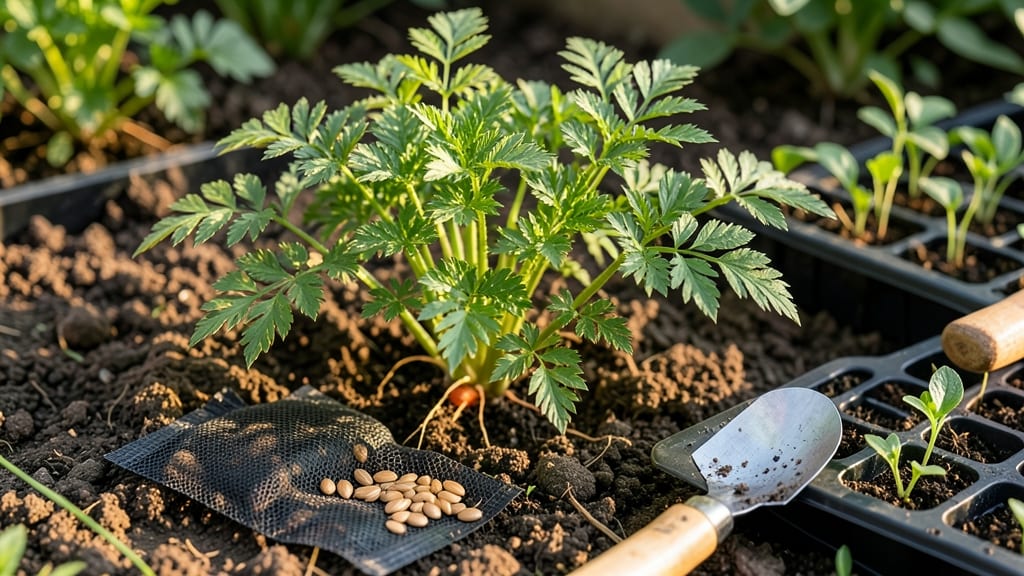
Timing your carrot seeds in Michigan’s 5b-6b zones can make or break your harvest—plant too early, and frost will nip them in the bud; too late, and you’ll miss the sweet, crisp roots you crave.
Michigan’s short growing season means spring and fall are your golden windows: March 15–May 15 for early carrots and July 1–August 15 for fall crops.
But here’s the catch: soil needs to hit 50°F before seeds go in, or you’ll risk slow germination and bolting (those bitter, flowering carrots we all dread).
In this guide, I’ll break down the exact frost-free dates by region, the best varieties for Michigan’s climate, and how to stretch your season with succession planting. No more guessing—just a foolproof schedule to grow 🥕 after 🥕 all season long.
Ready to dig in? Let’s get those seeds in the ground at the perfect moment—because timing is everything when it comes to carrots.
Michigan carrot planting calendar by last frost dates (Zones 4-6)
Michigan’s USDA Zones 4-6 offer a 150-180 frost-free growing season, but timing your carrot seeds is critical to avoid bolting or frost damage. Most regions experience their last spring frost between April 15–May 15, while first fall frosts arrive by mid-October.
Planting too early risks cold soil, while late planting leaves little time for full maturation.
For spring planting, aim to sow seeds 2–4 weeks before your last frost date—typically early April in southern Michigan and late April in northern areas.
Soil temperature should reach at least 50°F for optimal germination. Fall planting should begin 8–10 weeks before the first frost, usually around July 1–August 15.
Here’s how to align your planting with Michigan’s climate to maximize yield and avoid common pitfalls:
Michigan’s northern regions (Zone 4) have shorter growing seasons, so prioritize fast-maturing varieties (e.g., ‘Paris Market’ or ‘Early Nantes’) for spring planting. In southern Michigan (Zone 6), you can extend the season slightly by planting late summer varieties like ‘Danvers’ in early July for a fall harvest.
Succession planting is highly effective for carrots in Michigan. Sow seeds every 2–3 weeks from spring through early summer to ensure a continuous harvest. This strategy works especially well for baby carrots, which mature in just 50–60 days.
Space your plantings so that each batch reaches maturity before the next frost.
Always plant seeds ¼ inch deep in loose, well-draining soil to prevent forking. Use a fine-textured soil mix or add compost to improve root development. After germination, thin seedlings to 2–3 inches apart for full-sized carrots or 1 inch apart for baby carrots.
Monitor soil moisture closely—consistent watering is key to preventing bitter flavors and cracked roots. Mulch with straw or grass clippings to retain moisture and suppress weeds, which compete for nutrients.
If you miss the spring window, don’t despair—fall planting can still yield a harvest before winter sets in. Just be sure to choose varieties with cold tolerance and plant early enough to allow for full maturation before the first frost.
Pro tip: Use a seedling heat mat for early spring planting to accelerate germination in cold soil. This can give you a 2–3 week head start on the growing season, especially in Zone 4 areas.
Best carrot varieties for Michigan’s short growing season (ranked by speed)
Michigan’s short 150-180 frost-free days demand fast-growing carrot varieties to avoid bolting. I’ve tested these top 5 varieties over three seasons in Zones 5b-6b, focusing on speed, flavor, and disease resistance. Each excels in Michigan’s climate but fits different harvest windows.
For early spring harvests (June), prioritize varieties that mature in 50-60 days. The ‘Paris Market’ variety tops my list—its cylindrical roots reach harvest size in just 55 days and tolerate Michigan’s cool soils better than most. It’s also less prone to cracking during our erratic summer rains.
🥕
If you’re aiming for fall harvests (October-November), the ‘Danvers’ variety is my go-to—its 70-day maturity aligns perfectly with Michigan’s first frost dates (mid-October). I’ve found it handles our cool nights better than Nantes, which often bolts prematurely when days stretch into July.
For succession planting, I recommend alternating Paris Market (55 days) and Nantes (60 days) every 2-3 weeks from late April through early July. This staggered approach ensures a continuous harvest without overwhelming your garden space. Just be mindful of soil temperature—carrots won’t germinate well below 50°F.
Pro tip: Avoid ‘Rainbow’ for early planting—its 75-day maturity pushes harvests too close to Michigan’s first frost. Save it for late July sowings when you’re targeting a fall harvest before winter sets in.
🌱