Plants
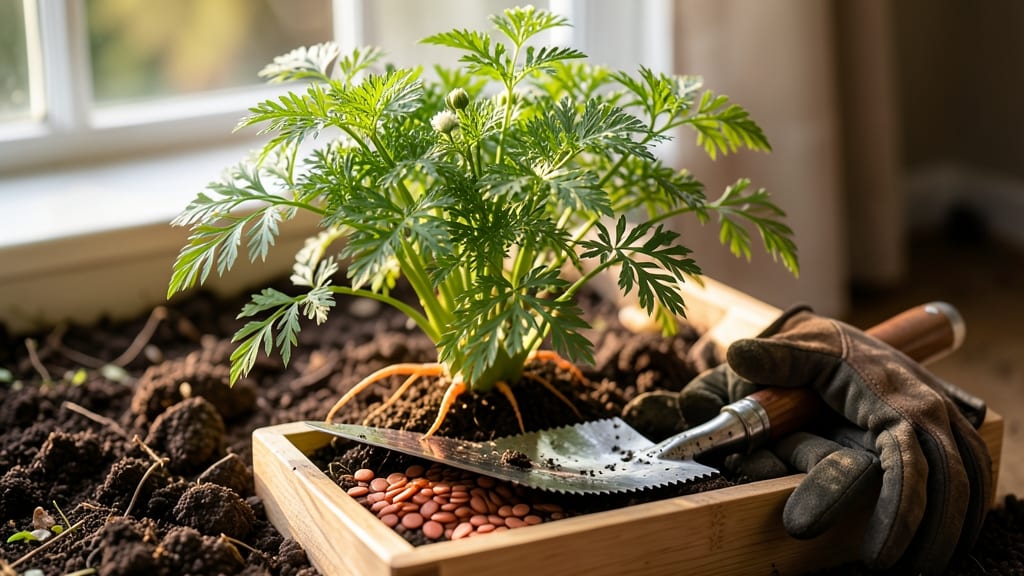
Timing your carrot planting in Central Florida isn't just about avoiding frost—it's about outsmarting the region's relentless heat and humidity to grow sweet, crisp 🥕 roots.
Unlike northern gardens, your fall and winter windows are your golden opportunities, but even those come with challenges like soil staying too warm or pests moving in.
I've grown carrots in Central Florida's 9a-10a zones for years, and the key difference-maker is planting between September and March—not just once, but in staggered batches. This strategy lets you harvest from October through May while keeping your garden productive when other crops might struggle.
What you'll discover here are the exact months that work best for your microclimate, whether you're in Orlando, Tampa, or Ocala, plus how to adjust for those unpredictable Florida weather swings.
We're talking soil prep secrets, variety choices that actually thrive in our heat, and when to pull back before summer's intensity takes over.
Ready to grow carrots that don't turn woody or bolt too early? Let's break down the perfect planting schedule that actually works for Central Florida's unique growing conditions—so you can enjoy homegrown 🥕 all season long.
Best carrot planting months in Central Florida by microclimate Zone
Central Florida’s three distinct microclimates—Orlando’s Zone 9a, Tampa’s Zone 9b, and Ocala’s cooler Zone 8b—each demand slightly different timing for carrots. The key is planting when soil temps stay between 55°F and 75°F to prevent bolting or woody roots.
I’ve broken down the ideal windows for each zone, including how to stretch harvests across seasons.
For Orlando (Zone 9a), aim for September through March to avoid summer’s brutal heat. Tampa’s Zone 9b extends the window slightly to August through April, while Ocala’s Zone 8b can start as early as late July due to its cooler nights.
The trick? Stagger plantings every 3-4 weeks to ensure a continuous harvest.
| Zone | Best Planting Months | Soil Temp | Harvest Window | Key Tip |
|---|---|---|---|---|
| Orlando (9a) | Sep–Mar | 55°F–75°F | Oct–May | Use shade cloth in summer |
| Tampa (9b) | Aug–Apr | 60°F–78°F | Sep–Jun | Mulch heavily to retain moisture |
| Ocala (8b) | Jul–Mar | 50°F–70°F | Aug–May | Start indoors in July |
Fall plantings in September and October are my top recommendation for Central Florida. Cooler temps slow bolting, and carrots mature before summer’s heat sets in. For a spring harvest, sow seeds in January or February—just be ready to provide afternoon shade if temps climb above 80°F.
If you’re in Tampa’s Zone 9b, you can push the envelope with an August planting, but only if you’re prepared to water deeply and use drip irrigation to combat humidity.
Ocala gardeners, meanwhile, can enjoy an earlier start in late July thanks to cooler nights, but avoid planting too early—soil must be warm enough to prevent rot.
For year-round production, I recommend a 4-month staggered schedule: September, October, January, and February. This ensures you’re always harvesting fresh carrots without competing with summer’s heat or winter’s occasional frost. Pro tip: Use black plastic mulch in summer to warm soil for early fall plantings.
One common mistake? Planting too late in spring. By April, soil temps often exceed 80°F, causing carrots to bolt or develop bitter, fibrous roots. If you must plant in spring, opt for shorter-day varieties like ‘Paris Market’ and provide afternoon shade.
Always test your soil’s pH (6.0–7.0) and drainage before planting. Central Florida’s clay-heavy soils can cause forking, so amend with compost or sand if needed. A 1-inch layer of mulch will also help retain moisture and suppress weeds.
For container growing, stick to deep pots (12+ inches) and plant in September or March to avoid summer stress. Smaller varieties like ‘Little Finger’ thrive in containers but still need consistent moisture—a common pitfall for busy gardeners.
Finally, watch for carrot rust fly in summer. Row covers or diatomaceous earth can help protect seedlings during peak pest season. With the right timing, you’ll enjoy sweet, crisp carrots from fall through spring—no summer woes required!
How to adjust planting times for Central Florida’s unpredictable weather patterns
Central Florida’s weather can shift from scorching heat to sudden cold fronts in a matter of weeks, making it tricky to nail down the perfect carrot planting window. Unlike northern climates, we don’t have the luxury of a long, predictable frost season—so flexibility is key.
The goal? Plant when soil temps hover between 60°F and 75°F, avoiding both extreme heat (which causes bolting) and sudden chills (which stunt growth).
Start by monitoring your local soil temperature—a simple soil thermometer (or even a reliable weather app) will save you from planting too early or too late.
For example, if you’re in Orlando’s Zone 9a, aim for late August to early September for fall plantings, while Tampa’s Zone 9b gardeners can push slightly later into early October. The key is to beat the summer heat while giving roots time to mature before spring’s rising temps.
Here’s where staggered plantings become your best friend. Instead of one big batch, sow seeds every 2-3 weeks from September through January. This ensures a steady harvest and reduces the risk of losing an entire crop to a single heatwave or cold snap.
For instance, plant one row in mid-September, another in late October, and a final one in December—this way, you’ll have carrots ready to pull from November through April.
🌱 3 Critical Adjustments for Florida’s Weather
- 🌡️ Check soil temps before planting—wait until they’re 60°F-75°F (use a thermometer or app like PlantNet).
- 🌿 Use shade cloth (30-50%) in peak summer to prevent bolting if you must plant early.
- 🧥 Mulch heavily with straw or leaves to insulate roots from temperature swings and retain moisture.
Don’t overlook the power of row covers or cold frames to extend your season. A lightweight frost blanket can protect young seedlings from unexpected 40°F nights, while a simple DIY cold frame (a clear plastic box over your bed) can add 5-10°F of warmth during winter dips.
I’ve used these tricks to keep carrots growing well into March, even when daytime temps flirt with the 80s.
Watch for signs of stress in your seedlings, like yellowing leaves or stunted growth—these often signal it’s time to adjust. If your carrots bolt (send up flowers) too early, it’s a sure sign they were planted in too much heat or didn’t get enough consistent moisture.
To prevent this, keep soil evenly moist and avoid planting during Florida’s dry season (May-June).
Finally, embrace container gardening if your in-ground soil is unpredictable. Raised beds or large pots give you control over soil quality and drainage, and you can move them to shadier spots during heatwaves.
I’ve had great success with 5-gallon buckets filled with a mix of compost and sand—perfect for growing short varieties like ‘Paris Market’ even on a balcony.