Plants
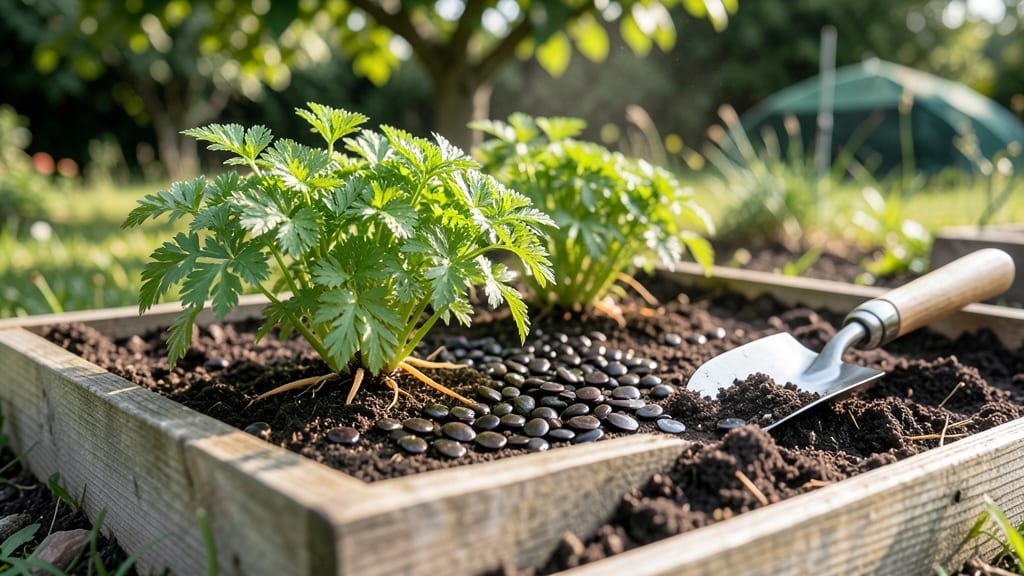
Timing your 🥕 carrot planting in East Texas is the secret to avoiding bitter, stringy roots—or worse, a total flop. With USDA Zone 8a’s unpredictable swings from 90°F summers to early November frosts, even experienced gardeners get it wrong.
The key? Planting in the sweet spot of late February through early March for spring harvests, or August to September for fall crops.
Here’s the catch: East Texas’ heavy clay soil and scorching afternoons demand extra prep. Skip the wrong window, and your carrots either bolt into flower stalks or rot in the heat.
I’ll break down the exact months that work, plus how to tweak your approach based on whether you’re in Tyler’s humid lowlands or Dallas’ slightly drier microclimate.
Why does this matter? Because crisp, sweet carrots—not woody, forked messes—start with the right timing. You’ll learn how to stretch your harvest with succession planting, which variety thrives in your zone, and when to pull the plug if summer heat strikes too early.
Let’s get those roots growing right.
Ready to ditch the guesswork? The next section lays out a month-by-month calendar tailored to East Texas, so you can finally grow carrots that win at the farmers’ market—or at least impress your dinner table. No more second-guessing, just reliable, homegrown success.
East Texas carrot planting calendar: month-by-month deadlines by microclimate
Timing your carrot planting in East Texas is all about avoiding two extremes: early spring heat that causes bolting and late fall frost that ruins tender roots.
The region’s USDA Zone 8a climate means you’ve got two ideal windows—spring and fall—but microclimates like Tyler, Beaumont, or Longview can shift deadlines by 2-3 weeks.
For most of East Texas, the last frost date hovers around March 15, while the first frost typically arrives by November 15. This gives you a 215-day frost-free window—perfect for two planting cycles.
But don’t assume one-size-fits-all timing; elevated areas (like Athens) may frost earlier than humid lowlands (like Beaumont).
Here’s how to break it down by microclimate and season for crisp, straight carrots every time:
Spring planting in East Texas starts as early as late February in North Texas but waits until mid-March in Southeast Texas to avoid 30°F nights. The goal? Get seeds in the ground 4-6 weeks before last frost so they germinate in 60-70°F soil.
Pro tip: Use a seedling heat mat if temps dip below 50°F—carrot seeds need warmth to sprout.
For fall carrots, aim to plant 10-12 weeks before first frost. That means August-September deadlines, but Beaumont gardeners can stretch into early October thanks to its milder climate.
Succession plant every 2 weeks for a continuous harvest through December. Just watch for carrot rust fly—its larvae thrive in fall’s damp soil.
Don’t overlook succession planting, the secret to year-round harvests. In East Texas, you can squeeze in 3-4 plantings: two in spring (March and April) and two in fall (August and September).
Space seeds 1/4 inch deep and thin to 2-3 inches apart when seedlings are 2 inches tall. This ensures no competition for nutrients or space.
One critical mistake East Texas gardeners make? Planting too densely in hopes of more carrots. Crowded roots fork and split, ruining your harvest. Instead, use wide rows (12-18 inches apart) and thin aggressively. Save the thinnings for baby carrots or carrot greens—they’re delicious in salads!
If you’re new to East Texas gardening, start with short-season varieties like 'Early Nantes' (58 days) or 'Paris Market' (60 days). They mature before summer’s 90°F+ heat sets in. For fall planting, opt for 'Danvers'—it handles cooler temps better and stores well.
Remember: Soil temperature matters more than air temperature. Use a soil thermometer to confirm 60°F+ before planting. If your soil is too cold, seeds may rot; if too hot, they’ll dry out. In East Texas, this often means waiting until afternoon soil temps hit 70°F consistently.
Finally, mark your planting calendar with these East Texas deadlines: - Spring: Late Feb (North) to Mid-March (South) - Fall: Mid-August (North) to Early Oct (South) Adjust based on your local frost history—check with your extension office for precise data.
With the right timing, you’ll enjoy homegrown carrots from May through December!
How to Adjust carrot planting for East Texas heat and soil challenges
East Texas’s clay-heavy soil and sweltering summers demand special strategies to grow carrots successfully. The key is adapting planting depth, soil prep, and heat protection to match your microclimate. Let’s tackle the biggest challenges head-on.
First, shallow soil in many East Texas areas means traditional carrot varieties will struggle. Opt for short-rooted varieties like 'Paris Market' or 'Little Finger,' which thrive in 4-6 inches of loose soil. Avoid deep-rooted types like 'Chantenay' unless you amend soil heavily.
Next, clay soil is notorious for causing forked or stunted carrots. Break it up with compost or sand before planting—aim for 6-8 inches of loose, crumbly soil. Work in aged compost (not fresh) to improve drainage without compacting the bed.
⚠️ Heat Warning: Summer Planting Risks
Bolting: Carrots planted in 85°F+ soil bolt quickly. Use shade cloth (30-50%) to keep soil temps below 80°F.
Pests: Carrot flies thrive in summer. Cover seeds with fine mesh row covers until harvest.
Watering: Drip irrigation is best—avoid overhead watering, which causes disease.
For summer planting (August-September), focus on evening sowing to avoid daytime heat. Mulch with straw or black plastic to regulate soil temperature and retain moisture. In fall, plant 6-8 weeks before first frost (mid-November) for a harvest before cold sets in.
If you’re using transplants, choose young seedlings (not mature starts) to reduce transplant shock. Harden them off for 5-7 days before setting out, and water deeply at planting to encourage root growth. Avoid fertilizing heavily—too much nitrogen leads to leafy tops and small roots.
Finally, succession planting is your secret weapon. Sow new seeds every 2-3 weeks from February to April and August to October. This ensures a continuous harvest and minimizes losses from pests or weather shifts.
With these adjustments, you’ll beat East Texas’s heat, soil, and pests—leading to sweet, straight carrots all season long. 🥕