Plants
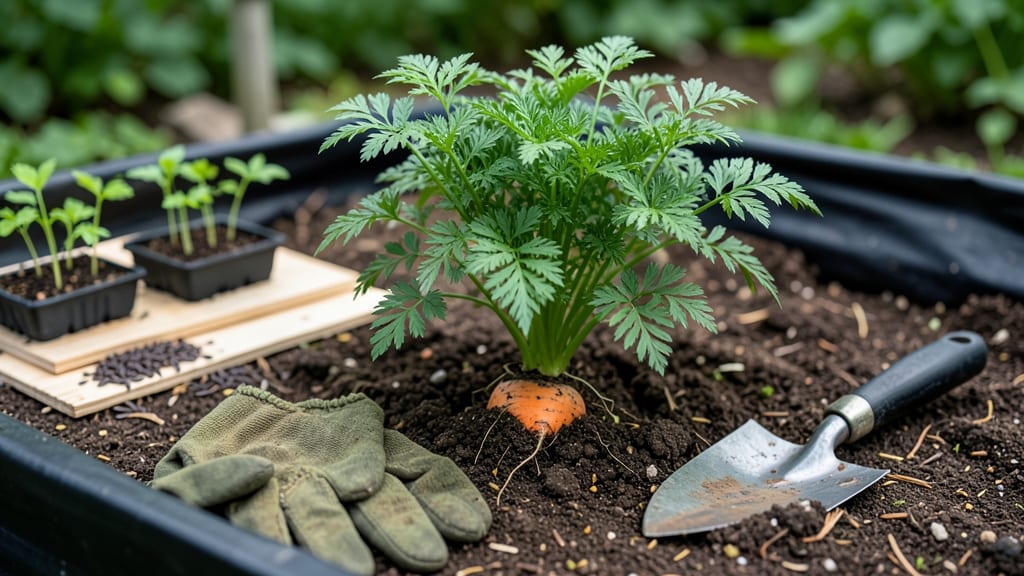
Best planting months for carrots in San Diego’s coastal climate
San Diego’s USDA Zone 10a climate lets you grow carrots year-round, but timing matters for sweet, straight roots. Unlike colder regions, we don’t have frost to worry about—but coastal fog and summer heat still play key roles.
The ideal planting window stretches from September through March, when soil stays cool and moisture levels are consistent.
For fall planting, aim for late August to October when daytime temps hover between 65°F and 75°F. This gives carrots time to mature before summer’s heat sets in. Winter planting (November-February) works too, especially in inland areas where nights dip slightly cooler.
The key is avoiding soil temps above 80°F, which causes woody roots.
Coastal areas near the ocean benefit from milder microclimates, allowing slightly later plantings into early spring. Inland zones like Escondido or Ramona can handle April plantings with extra shade cloth. Always check soil temperature—carrots thrive when it’s between 55°F and 75°F.
| Planting Window | Soil Temp Range | Microclimate Notes | Harvest Window |
|---|---|---|---|
| Late August - October | 65°F - 75°F | Coastal: Best for fall; inland: extend to early Nov | November - January |
| November - February | 55°F - 70°F | Inland areas benefit; coastal stays mild | January - April |
| March - Early April | 60°F - 72°F | Use shade cloth for coastal heatwaves | May - June |
Spring plantings after April 15th risk summer heat stress. If you must plant later, choose heat-tolerant varieties like 'Danvers Half Long' and provide afternoon shade. For year-round harvests, stagger plantings every 3-4 weeks from September through March.
San Diego’s sandy coastal soil drains quickly, so amending with compost or aged manure before planting improves moisture retention. Test your soil’s pH—carrots prefer 6.0 to 6.8. If your soil is too dense (common in inland areas), mix in sand or coconut coir to prevent forking.
Pro tip: Plant carrot seeds shallowly—just ¼ inch deep—and keep soil moist until germination (5-10 days). Thin seedlings to 2-3 inches apart to avoid competition. Coastal gardens often need drip irrigation due to windy conditions that dry soil faster.
Remember: Succession planting is your secret weapon. By sowing new seeds every 2-3 weeks during your chosen window, you’ll enjoy fresh carrots from November through June. This works especially well for baby carrots, which mature in just 50-60 days.
For container growing, use deep pots (at least 12 inches deep) with well-draining mix. Coastal areas may need windbreaks to protect young seedlings from salt spray. Inland gardens should watch for aphids—spray with neem oil if you spot them.
With these timing tips, you’ll avoid the two biggest San Diego carrot pitfalls: woody roots from heat and forked roots from rocky soil. Happy planting—your crisp, homegrown carrots are just a few months away! 🥕
How to adjust planting for San Diego’s unpredictable weather patterns
San Diego’s coastal fog, sudden heatwaves, and seasonal rainfall can throw off even the most experienced gardener. Unlike inland areas, coastal regions near the ocean experience cooler temperatures and higher humidity, while inland zones like Escondido or Temecula can swing into 90°F+ heatwaves overnight.
These shifts demand flexibility—whether you’re protecting tender seedlings or extending harvests through succession planting.
The key is staggered sowing: Plant every 2-3 weeks from September through March to ensure a continuous supply of fresh carrots. This strategy works especially well for varieties like ‘Danvers’ or ‘Nantes’, which mature quickly (about 70 days).
For example, if you plant one row in early September, follow with another in mid-October, then again in November—this way, you’ll always have young carrots ready to harvest before the next batch matures.
⚠️ Callout Warning: Coastal Fog & Heatwaves
Risk: Coastal fog delays germination, while sudden heat (especially in April/May) can cause bolting (premature flowering) and woody roots.
Solution: Use frost blankets in unexpected cold snaps (rare but possible in La Jolla or Del Mar) and shade cloth (30-50%) during April heatwaves to protect seedlings.
Pro Tip: Monitor soil temperature—carrots need at least 60°F to sprout. Use a soil thermometer to avoid planting too early in chilly coastal mornings.
To handle unpredictable rainfall, focus on well-draining soil. San Diego’s sandy coastal soil drains quickly, but inland clay pockets (common in Chula Vista or National City) can waterlog roots.
Amend your beds with compost or aged manure before planting, and raise beds if your garden sits in a low-lying area prone to pooling. Mulch with straw or wood chips to retain moisture during dry spells and prevent cracked, misshapen roots—a common issue in summer’s intense sun.
For heat-tolerant varieties, opt for ‘Yellowstone’ or ‘Paris Market’, which handle warmer soil better than traditional orange types. If you’re gardening in inland San Diego County, consider drip irrigation to deliver water directly to roots, reducing stress during April-May heatwaves.
Avoid overhead watering, which can spread fungal diseases like leaf blight in humid coastal air.
🌱 Key Takeaway: San Diego’s microclimates mean no single planting date works for all. Stagger sowings, protect seedlings, and choose heat-resistant varieties to maximize your harvest—whether you’re in sunny Mission Beach or foggy Carlsbad.
Finally, keep an eye on harvest timing. Carrots planted in late winter (February-March) may bolt by May if days get too long. To prevent this, harvest early or thin seedlings to reduce competition.
For a year-round supply, plant one final succession in August (just before summer rains taper off), using shade cloth to protect young plants from intense afternoon sun.
🌿