Plants
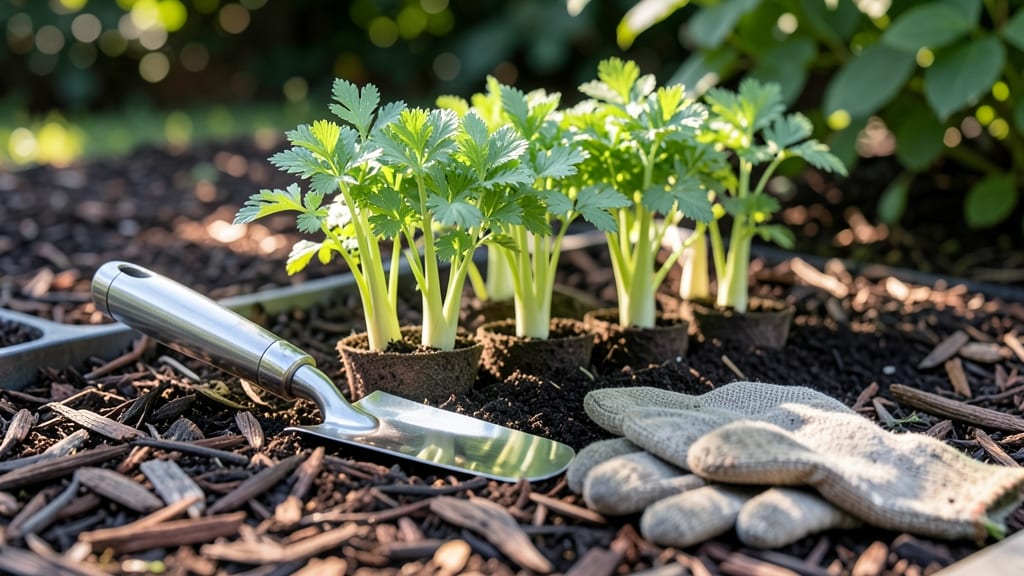
Timing your celery planting in Zone 6 can mean the difference between crisp, flavorful stalks and bitter disappointment. This cool-weather crop needs precise conditions to thrive—too early, and frost will ruin your efforts; too late, and heat will turn your harvest rubbery.
For gardeners in Zone 6 (6a-6b), the ideal window opens just 10-12 weeks before your last frost date, typically in early spring (March-April) or late summer (July-August). Whether you're starting seeds indoors or transplanting seedlings, getting this timing right is the key to avoiding common mistakes that stunt growth.
I’ll walk you through the exact weeks to plant for maximum yield, plus strategies like succession planting to extend your harvest into fall. From soil temperature checks to protecting late-season crops, these tips will help you grow celery that’s as satisfying to harvest as it is delicious to eat.
Ready to transform your garden into a crisp-stalked celery haven? Let’s dive into the details that make all the difference in Zone 6.
Optimal planting weeks before last frost in Zone 6 for celery success
Celery is a cool-season crop that thrives when temperatures stay between 50°F and 75°F. In Zone 6, timing your planting is critical—sow too early, and you risk bolting or bitter stalks; too late, and your harvest won’t mature before heat sets in.
The key is aligning your planting with soil temperatures and frost dates for maximum crispness.
Most Zone 6 gardeners experience their last frost date around mid-April, but this can vary by 1-2 weeks depending on microclimates. For crisp, tender celery, aim to have seedlings ready for transplanting 2-3 weeks before the last frost.
This means starting seeds indoors 10-12 weeks before your target transplant date—typically in early March.
Direct sowing outdoors is also an option, but it requires warmer soil temperatures (at least 50°F) and patience. You can begin direct sowing in late March or early April, but expect slower germination and a longer wait for harvest.
For best results, I recommend starting seeds indoors first, then hardening off seedlings before transplanting.
| Planting Method | When to Start | Transplant Date | Harvest Window |
|---|---|---|---|
| Indoor Seeds | Early March (10-12 weeks before last frost) | Early to mid-April (2-3 weeks before last frost) | Late July to October |
| Direct Sow Outdoors | Late March to early April (when soil is 50°F+) | N/A (sow directly) | August to October (slower growth) |
| Fall Planting (Succession) | Late July to early August | Mid-August to early September | October to November (before hard frost) |
🌱 Pro Tip: Use row covers to extend the season and protect young plants from late frosts.
If you’re planting for a fall harvest, focus on late summer sowings (July to early August). This gives celery enough time to mature before first frost in mid-October.
For container gardening, follow the same timeline but ensure pots are at least 12 inches deep to accommodate the root system. Containers also dry out faster, so monitor soil moisture closely.
One common mistake is assuming all celery varieties thrive equally in Zone 6. Tall, standard varieties like 'Utah' or 'Golden Self-Blanching' work well, but dwarf or bush types (e.g., 'Golden Self-Blanching') are better suited for shorter seasons.
For crispier stalks, choose self-blanching varieties, which don’t require tying or shading.
Soil preparation is just as critical as timing. Celery prefers rich, well-draining soil with a pH of 6.0-6.8. Amend your garden bed with compost or aged manure before planting, and mulch heavily to retain moisture.
Without consistent moisture, celery stalks become woody or bitter, defeating the purpose of precise timing.
For gardeners in Zone 6a (colder microclimates), push your indoor seed start date to late February to account for later frosts. In Zone 6b (warmer microclimates), you can delay starts slightly to early March. Always check your local frost date averages and adjust accordingly—weather patterns shift!
Finally, don’t overlook succession planting. By sowing new seeds every 2-3 weeks from March to July, you can enjoy a continuous harvest through fall. This is especially useful in Zone 6, where summer heat can limit celery’s growing window.
With the right timing and care, you’ll have crisp, homegrown celery for salads and soups all season long.
Optimal planting weeks before last frost in Zone 6 for celery success
Celery in Zone 6 loves cool soil but bolts in heat, so timing is everything. The last frost date (typically mid-April) is your anchor—plant too early, and frost will kill tender seedlings; too late, and summer heat turns stalks bitter.
For crisp, sweet celery, aim to sow seeds or transplant seedlings 10–12 weeks before your last frost, which lands in late February to early March for most of Zone 6.
Direct sowing outdoors works best 4–6 weeks before last frost (around early March), but seedlings are fragile. If your spring is unpredictable, start seeds indoors 10–12 weeks before frost (by late January) for a head start.
Use biodegradable pots to avoid disturbing roots when transplanting outdoors after frost risk passes.
| Stage | Action | Soil Temp |
|---|---|---|
| Indoor Start | Sow seeds 10–12 weeks before last frost | 60–70°F |
| Hardening Off | Acclimate seedlings 1 week before transplanting | 50–60°F |
| Outdoor Transplant | After last frost, when soil is 55°F+ | 55–75°F |
| Direct Sow | 4–6 weeks before last frost | 50–60°F |
Zone 6’s 6a vs. 6b matters: Cooler 6a areas (like Buffalo, NY) can direct-sow 2 weeks earlier than warmer 6b spots (like Chapel Hill, NC). Check your local frost dates—the USDA Plant Hardiness Zone Map is a great tool.
For example, if your last frost is April 15, count backward: March 1 is your indoor start date, and March 20 is ideal for transplanting.
Don’t overlook late-summer plantings! Celery also thrives in Zone 6’s cooler fall—sow seeds July 15–August 15 for a fall harvest before frost. This works because daylength shortens in late summer, slowing bolting. Use row covers to extend the season if frost threatens early.
For container gardening, start seeds indoors by late February and transplant into 5-gallon pots after frost. Containers warm faster than soil, so monitor moisture closely—celery wilts fast in dry conditions. Place pots in partial shade during Zone 6’s hot afternoons (July–August) to prevent bolting.
Pro tip: Mark your calendar for soil temperature checks. Celery germinates best in 50–60°F soil. Use a soil thermometer—if temps dip below 45°F, wait a week or two. Patience here prevents slow, uneven germination, which leads to weak stalks.