Plants
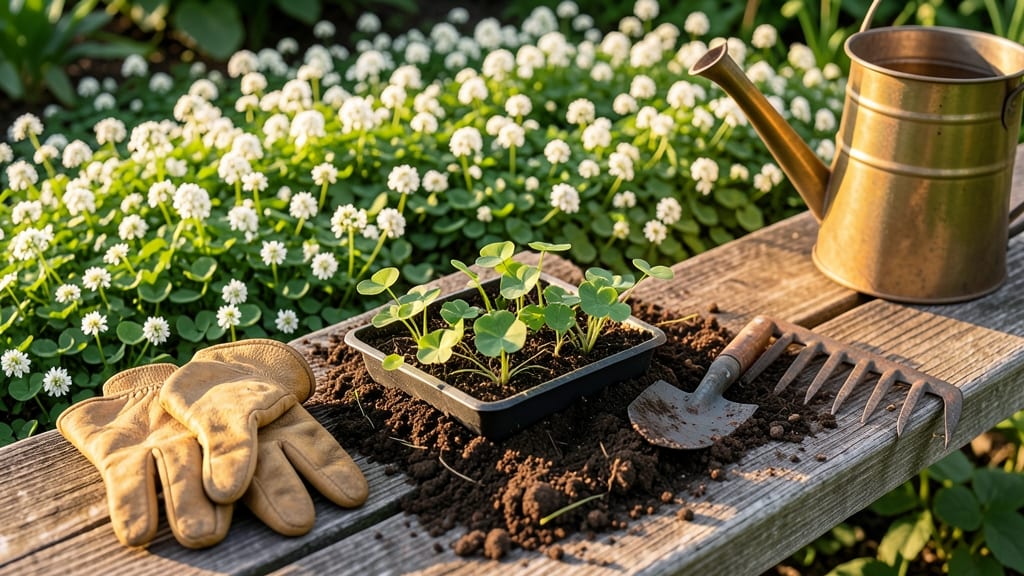
Timing your clover planting in Utah isn’t just about following a calendar—it’s about outsmarting the state’s wild temperature swings and rocky soil. Skip the wrong window, and you’ll watch your seeds struggle against early frosts or scorching summers.
But nail it, and you’ll unlock a low-maintenance, nitrogen-rich ground cover that thrives in Utah’s USDA Zones 5-7.
I’ve planted clover in Utah’s high desert and mountainous regions, and the difference between a thriving patch and a failed attempt often comes down to one simple rule: plant when the soil warms to 50°F—right after the last frost in spring or before the first chill in fall.
That’s your green light for frost-free growth and strong root establishment.
Whether you’re aiming for erosion control, pollinator-friendly forage, or just a lush lawn, this guide cuts through the guesswork. You’ll learn exactly when to drop those seeds—whether you’re in March-April or September-October—plus soil prep tricks to make Utah’s alkaline dirt work in your favor.
Let’s get your clover off to the best start possible—no more wasted seeds or half-hearted growth. Ready to turn your Utah yard into a clover powerhouse? Here’s how to do it right.
Best months to plant clover in Utah’s climate zones
Utah’s diverse climate—from the high desert of Salt Lake City to the cooler mountain regions—means planting clover isn’t a one-size-fits-all task. The key is aligning your timeline with local frost dates and soil temperatures, which can vary by 1,000 feet in elevation.
In most of Utah, the ideal window is either early spring (March-April) or early fall (September-October), but let’s break it down by region to avoid frost damage or wasted seeds.
For Northern Utah (USDA Zones 5-6), where winters are colder, aim to plant clover seeds in late April to early May after the last frost.
Southern Utah (Zones 7-8) can start as early as March, thanks to milder winters. High-altitude areas like Park City or Ogden may need to wait until May to avoid late snow or frost.
Timing isn’t just about frost—it’s also about soil warmth. Clover seeds germinate best when soil temperatures hit 50°F (10°C). In Utah, this typically happens by mid-April in the south and late April in the north.
Use a soil thermometer to confirm before planting, especially in cooler microclimates.
Fall planting is another smart strategy, especially in Southern Utah. Seed clover in September to give roots time to establish before winter. This method reduces spring competition from weeds and ensures a head start for early growth.
Just avoid planting too late—October 15 is the cutoff before first frost hits most areas.
🌱 Utah Clover Planting Guide by Region
| Region | Best Planting Window | Soil Temp Requirement | Key Consideration |
|---|---|---|---|
| Northern Utah (Salt Lake, Ogden) | Late April–Early May | 50°F (10°C)+ | Wait for last frost (avg. April 15) |
| Southern Utah (St. George, Cedar City) | March–Early April | 50°F (10°C)+ | Milder winters; plant earlier |
| High Altitude (Park City, Logan) | May–Early June | 55°F (13°C)+ | Late snow risk; delay planting |
| Fall Planting (All Regions) | September–Early October | 60°F (16°C)+ | Establish roots before winter |
If you’re planting clover for pollinators or soil health, consider oversowing in late summer (August) for a fall-to-spring cover. This works well in Southern Utah, where winters are less harsh. Just avoid planting in July or August in Northern Utah—the heat can stress seeds before germination.
Pro tip: Check the National Weather Service’s frost forecast for your specific area. Utah’s microclimates can create surprises, like unexpected late frosts in valley floors or warmer pockets near urban heat islands. When in doubt, plant a test row in early spring to gauge soil readiness.
Remember, clover is a perennial in Utah’s climate, meaning it’ll return year after year if planted correctly. Spring planting gives you the fastest establishment, while fall planting reduces weed competition. Both methods work—just match your timing to your local frost dates and elevation.
For high-desert areas, like around Moab or Delta, focus on drought-tolerant varieties and plant in early spring to take advantage of spring rains. In contrast, mountainous regions should prioritize late spring planting to avoid snowmelt delays.
Finally, if you’re planting clover for erosion control on slopes, aim for early spring to let roots anchor before summer storms. The soil’s moisture retention during germination is critical—don’t let Utah’s dry winds dry out your seeds. Mulch lightly after planting to lock in soil moisture.
Best months to plant clover in Utah’s climate zones
Utah’s diverse climate—from high desert valleys to mountainous regions—means planting clover isn’t a one-size-fits-all task. In Northern Utah, like Cache Valley, cooler temperatures extend the growing season, while Southern Utah, such as St. George, enjoys warmer springs and falls.
Understanding these microclimates helps you avoid frost damage or summer dormancy.
The ideal window for planting clover in Utah is early spring (March-April) or early fall (September-October). These periods align with soil temperatures of 50°F (10°C) or warmer, which clover needs to germinate successfully. Planting too early risks frost damage, while late spring plantings may struggle with summer heat.
For high-elevation areas (above 6,000 feet), like Park City, aim for late April to early May to avoid late frosts. In lower elevations (below 5,000 feet), such as Salt Lake City or Provo, you can start as early as late February to March, provided the soil isn’t frozen.
🌱 Utah Clover Planting Guide by Region
| Region | Best Planting Months | Soil Temp Requirement | Key Consideration |
|---|---|---|---|
| Northern Utah (e.g., Logan, Ogden) | March-April, September-October | 50°F (10°C) minimum | Cooler nights; watch for late frosts |
| Central Utah (e.g., Salt Lake City, Provo) | Late February-March, September | 50°F (10°C) minimum | Moderate temperatures; ideal for germination |
| Southern Utah (e.g., St. George, Cedar City) | February-March, October-November | 55°F (13°C) minimum | Warmer climate; longer growing season |
| High Elevation (e.g., Park City, Moab) | Late April-May, September | 55°F (13°C) minimum | Short growing season; avoid early planting |
Fall planting in Utah offers a second chance for clover to establish roots before winter. Aim for September to early October, giving seeds 4-6 weeks to germinate before the first frost. This method reduces competition from weeds and ensures early spring growth the following year.
If you’re planting in late summer (August), focus on drought-tolerant varieties like microclover, which can handle Utah’s dry heat. Water deeply after planting to encourage root development before the cooler fall temperatures set in.
Always check your local USDA Plant Hardiness Zone (Utah ranges from Zone 5 to 7) and monitor frost dates for your specific area. Tools like the National Weather Service or local agricultural extensions can provide real-time updates to refine your planting timeline.