
Plants
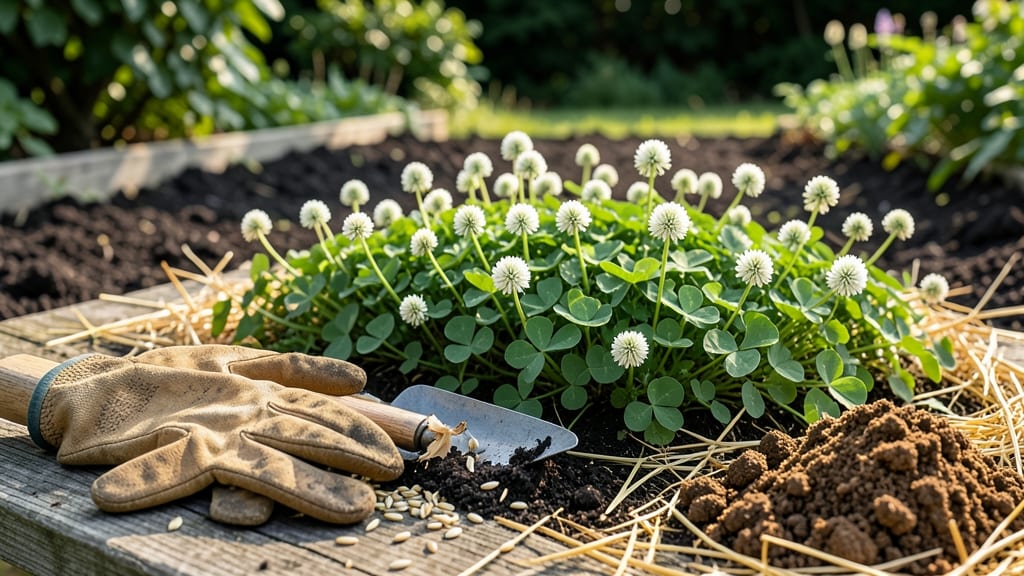
Optimal planting windows for clover in Washington’s climate zones
Washington State’s diverse climate—from the rain-soaked Pacific Northwest to the drier inland valleys—means clover planting windows vary dramatically. Understanding your USDA Zone (6-8) and microclimate is key to avoiding frost damage or seed rot.
In Western WA (Zones 7-8), milder winters allow earlier spring planting, while Eastern WA (Zones 6-7) demands later starts to escape late frosts.
For fastest germination, aim for soil temperatures above 50°F (10°C). In most of Washington, this aligns with late March to early April for spring planting or September to early October for fall.
Coastal areas like Olympia or Bellingham can plant 2-3 weeks earlier than inland spots like Spokane or Wenatchee.
Here’s how to match your location to the best planting window:
In Zone 8 areas (e.g., Vancouver or Portland metro), you can push spring planting to February if soil isn’t waterlogged. However, avoid planting before February 15—early seeds may rot in cooler, wet soils.
For fall planting, stop by October 15 to ensure seeds germinate before first frosts (typically October 15–November 1).
Pro tip: Use a soil thermometer to confirm 50°F+ soil temps. If temps fluctuate below 45°F (7°C), delay planting by 1-2 weeks to prevent slow germination. Coastal areas often need this adjustment due to maritime cooling effects.
For overseeding lawns, prioritize fall planting—cooler temps reduce weed competition, and consistent autumn rains keep seeds moist. In drier inland zones, water newly seeded areas daily for 2 weeks to prevent desiccation.
Remember: Clover thrives in cool seasons. Planting outside these windows risks poor establishment or dormant seeds that fail to sprout until the next ideal window. Timing is everything in Washington’s unpredictable climate! 🌱
Spring vs. fall planting: which yields faster establishment?
Deciding between spring and fall planting for clover in Washington State can feel overwhelming, but the right choice depends on your goals. Spring planting (March–May) gives clover a head start, while fall planting (September–October) leverages cooler temps and winter moisture.
Let’s break down the pros and cons to help you choose the best timing for your garden.
In spring, clover thrives in Washington’s warming soil, but weed competition can be fierce. Early planting (March) ensures seeds germinate before weeds take over, while late spring (May) risks drought stress.
Meanwhile, fall planting lets clover establish roots before winter, reducing early-season weed pressure and making the most of Washington’s wet autumns.
Spring Planting (March–May)
- Faster above-ground growth in warm soil
- Longer growing season for harvest
- Better for drought-tolerant varieties
- Higher weed competition risk
- Requires consistent watering in dry spells
- Late plantings may struggle with heat
Fall Planting (September–October)
- Reduced weed pressure in early stages
- Leverages natural winter moisture
- Establishes stronger root systems before spring
- Slower spring emergence if planted too late
- Risk of frost damage to young seedlings
- Limited harvest window in first year
For fastest establishment, I recommend spring planting in Western Washington (milder, wetter) and fall planting in Eastern Washington (drier, cooler). Both methods work—just adjust for your microclimate. For example, Puget Sound gardens benefit from spring’s extra moisture, while Palouse regions thrive with fall’s cooler temps.
Pro tip: If you’re unsure, try both! Plant a small patch in early spring and another in early fall to compare growth. In Washington’s climate, oversowing in fall is my go-to for minimizing weeds and maximizing success.
Remember, clover’s root development is key—whether you plant in spring or fall, prioritize well-draining soil and light raking to ensure seeds make contact. With the right timing, you’ll have lush clover in no time! 🌱