
Plants
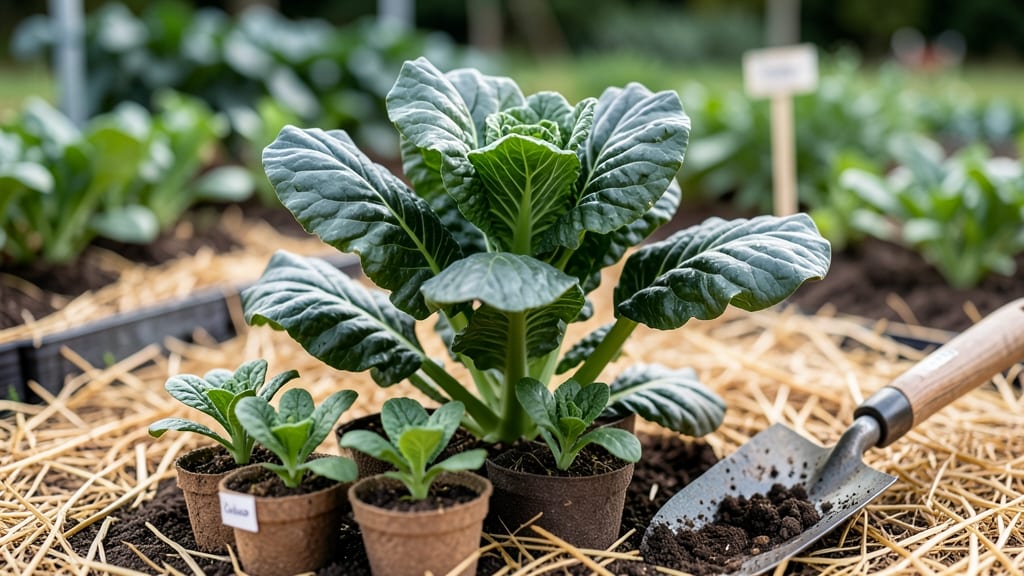
If you’ve ever planted 🥬 collards in Florida only to watch them wilt under summer heat or bolt before winter harvests, you know timing is everything. Florida’s climate—with its warm winters, brutal summers, and hurricane risks—makes collard planting a high-stakes game.
But here’s the good news: with the right schedule, you can grow these nutrient-packed greens year-round, even in USDA zones 8a-11.
Most Florida gardeners focus on fall and spring, but the secret to success lies in understanding your region’s microclimate. North Florida’s cooler winters mean you can plant as early as February, while South Florida’s frost-free zone lets you sow collards in September or October to avoid summer’s scorching heat.
The key? Planting when soil temps drop below 85°F—that’s when collards thrive.
In this guide, I’ll break down the exact planting windows for your part of Florida, plus how to protect your crop from hurricanes, heat stress, and other common pitfalls.
Whether you’re a first-time gardener or a seasoned green thumb, these tips will help you maximize yields and enjoy homegrown collards 12 months a year.
Ready to stop guessing and start growing? Let’s dive into the hurricane-proof schedule that’ll keep your collards flourishing—no matter what Florida throws at them.
Florida collard planting zones & best months by region
Florida’s diverse climate means collard planting windows vary dramatically from North to South Florida. While North Florida’s cooler winters allow year-round growth, South Florida’s heat demands precise timing to avoid bolting or heat stress. Here’s how to align your planting with Florida’s three distinct regions.
Collards thrive in USDA Zones 8a-11, but Florida’s microclimates create three key growing zones: North (Panhandle to Orlando), Central (Orlando to Tampa), and South (Fort Myers to Key West). Each zone has unique frost risks and hurricane seasons that dictate planting schedules.
North Florida (Zones 8a-8b) experiences cooler winters with occasional light frosts (as low as 28°F in rare cases). This region can grow collards year-round, but fall and spring yield the sweetest harvests. Central Florida (Zone 9a) avoids frost but faces intense summer heat, making fall and winter the best seasons. South Florida (Zones 10a-11) has no frost risk, but hurricane season (June-November) limits outdoor planting during storms.
| Region | Best Planting Months | Avoid Planting | Key Risks |
|---|---|---|---|
| North Florida (Zones 8a-8b) | September-October February-March |
June-August (heat stress) December (frost risk) |
Light frosts Hurricanes (June-Nov) |
| Central Florida (Zone 9a) | August-September January-February |
April-May (extreme heat) July-August (hurricanes) |
Heat stress Storm damage |
| South Florida (Zones 10a-11) | October-November February-March |
June-September (hurricanes) April (heat) |
Storm surges Bolting from heat |
For North Florida gardeners, September planting ensures harvests before first frosts (December 15), while February plantings mature before summer heat. Central Florida’s August-September window avoids peak heat, and January-February catches mild winter temps. South Florida’s October-November timing skips hurricane season, and February-March aligns with cooler, drier months.
Soil temperature is critical: Collards thrive when soil stays below 85°F. Use a soil thermometer to confirm readiness—ideal temps are 60-75°F. In North Florida, wait until after Labor Day for fall plantings; in South Florida, October 15 is your cutoff for hurricane-proof growth.
Pro tip: Succession plant every 2-3 weeks in fall to stagger harvests. For example, plant 10 seeds in September, then another 10 in October—this ensures continuous harvest-ready leaves through December.
In Central Florida, January and February plantings will give you spring greens before summer heat sets in.
Remember: Hurricane season (June-November) is the biggest threat to Florida collards. If you plant in late summer, use row covers or move pots indoors before storms hit. South Florida growers should prioritize October plantings to avoid storm damage entirely.
For year-round success, pair fall plantings with winter protection (mulch, cloches) and spring plantings with shade cloth during April’s heat spikes. This dual approach maximizes your collard harvest calendar while minimizing risks.
🌱
Seasonal collard planting calendar: avoiding Florida’s top 3 growing risks
Florida’s unpredictable weather makes collard planting timing critical—especially avoiding hurricane season (June-November), heat stress (April-May), and unexpected cold snaps (December-February). My month-by-month schedule ensures you plant at peak windows while protecting your harvest from Florida’s top threats.
Start with fall plantings (September-November) for winter harvests, then transition to spring (February-March) for summer-ready crops.
Hurricane season is the biggest risk—June through November brings storm surges that flood gardens. Plant collards in August or early September to harvest before storms peak in October. For North Florida, where light frosts can occur, plant by October 15th to avoid winter damage.
In South Florida, where frost is rare, extend planting through November for continuous harvests.
⚠️ Florida’s Top 3 Collard Growing Risks
- Hurricanes (June-Nov): Storm surges flood gardens; harvest before October 15th in North FL.
- Heat Stress (April-May): Soil temps above 85°F stunt growth; use shade cloth if planting early.
- Cold Snaps (Dec-Feb): North FL may see 30°F nights; protect plants with row covers.
Pro Tip: Succession plant every 2 weeks in fall/spring to stagger harvests and minimize risk.
For spring plantings (February-March), aim to harvest by May before summer heat sets in. In Central Florida, where microclimates vary, plant February 1st-March 15th for ideal conditions.
Use mulch to regulate soil temps and retain moisture during dry spells. If planting in April, provide afternoon shade to prevent bolting—collards flower when stressed by heat.
August is a hidden opportunity for South Florida gardeners—plant late August for a winter harvest before hurricane season peaks. Choose heat-tolerant varieties like ‘Blue Max’ or ‘Georgia Southern’ for better survival. Always harden off seedlings for 7–10 days before transplanting to reduce shock from Florida’s humidity swings.
To maximize yields, succession plant every 2 weeks during peak windows (September–November and February–March). This ensures a continuous harvest while spreading risk across different growth stages. For example, plant 3 batches in September (Sept 1, 15, and 30) to harvest through December.
Pair collards with radishes or carrots to mark planting dates visually.
Remember: Soil temperature matters more than air temperature. Use a soil thermometer—plant when soil is below 85°F. In North Florida, this often means waiting until late September; in South Florida, you can plant as early as August.
Adjust your schedule based on your USDA zone (8a–11) and local microclimate. With this calendar, you’ll avoid Florida’s pitfalls and enjoy homegrown collards year-round.