
Plants
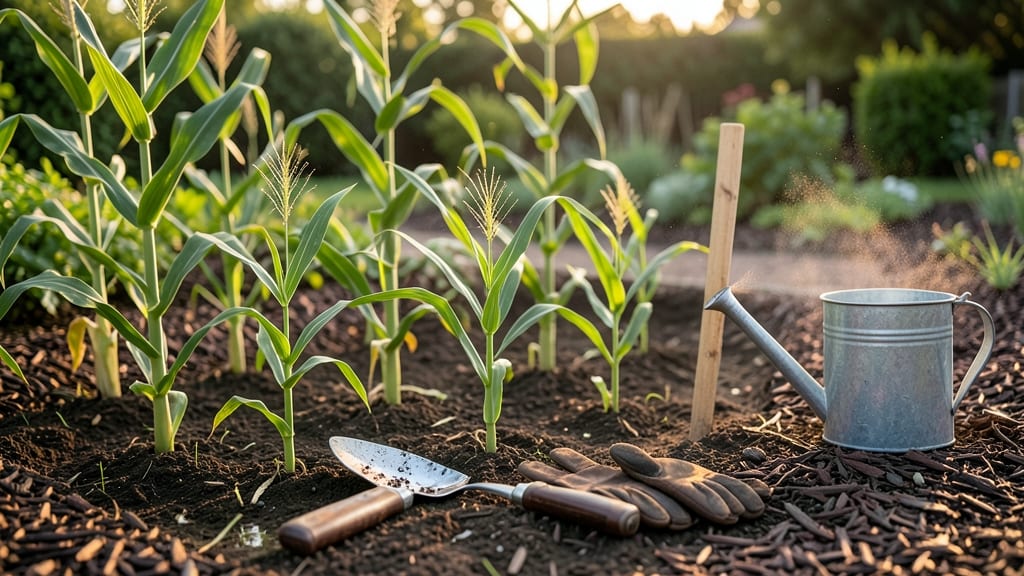
Timing your 🌽 corn planting in San Diego isn't just about following a calendar—it's about outsmarting the city's tricky coastal winds and sudden heat shifts that can turn your garden dreams into a sad, stunted mess.
Here's the kicker: while most gardeners assume frost is the enemy, San Diego's Zone 10a climate actually demands a different strategy. Plant too early, and coastal fog will delay germination for weeks. Wait too long, and summer's relentless sun can scorch tender seedlings before they even reach knee-high.
I've cracked the code on when to actually put those seeds in the ground to guarantee plump, sweet ears from June through September.
Whether you're battling Pacific breezes in La Jolla or baking heat in Chula Vista, I'll show you the precise windows that work—and why your neighbors' "perfect timing" might actually be sabotaging their harvest.
Ready to grow corn that rivals the best farmers' market finds? Let's dive into the exact planting schedule that finally makes sense for San Diego's unique growing conditions.
San Diego’s best corn planting windows: coastal vs. inland heat zones
San Diego’s microclimates create a unique challenge for growing corn (🌽). While the city enjoys year-round frost-free conditions (USDA Zone 10a/b), coastal areas near the ocean experience cooler temperatures and delayed soil warming compared to inland valleys.
Your planting window depends on where you live—coastal gardens wait longer than inland spots to avoid fog delays and heat stress.
For optimal germination, corn seeds need soil temperatures of at least 60°F (15°C). Inland areas like Escondido or Ramona often hit this mark by mid-February, while coastal spots like La Jolla or Pacific Beach may need to wait until late March.
This delay isn’t just about warmth—it’s also about avoiding coastal fog, which can stunt young seedlings.
Here’s how to match your planting schedule to San Diego’s three key microclimates: coastal, foothills, and inland valleys. Each zone has its own ideal planting window, soil temperature triggers, and harvest timing to maximize your crop’s potential.
If you’re unsure about your local soil temperature, use a soil thermometer to check depths of 2–4 inches. For coastal gardeners, planting too early (before late March) risks seed rot from lingering dampness and fog.
In contrast, inland gardeners can start as early as February if their soil warms quickly.
For short-season varieties like ‘Golden Bantam’ (60–70 days to harvest), aim to plant by mid-March in coastal areas to finish before summer heat stress sets in. Longer-season varieties like ‘Silver Queen’ (90+ days) need to start by February in inland zones or March in coastal zones to avoid bolting.
Pro tip: Test your soil’s warmth by placing a handful of seeds on a dark-colored surface (like a shovel) for 24 hours. If they sprout, your soil is ready. If not, wait another week—patience prevents failure.
One common mistake is assuming San Diego’s mild winters mean you can plant corn year-round. While true for soil temperature, daylight hours matter too. Corn needs 12+ hours of daylight for proper growth, so avoid planting before late January or after May.
For coastal gardeners, consider using black plastic mulch to warm soil faster and deter weeds. Inland gardeners should focus on drip irrigation to prevent water stress during summer heatwaves. Both strategies help extend your harvest window by weeks.
Remember: Corn is a heavy feeder, so amend your soil with compost or aged manure 4–6 weeks before planting. In San Diego’s fast-draining soils, this step is non-negotiable for avoiding nutrient deficiencies.
By aligning your planting with your local microclimate, you’ll avoid the #1 killer of San Diego corn crops: timing mistakes. Next, we’ll cover how to stagger plantings for a continuous harvest—because why settle for one crop when you can have three?
How to extend the corn growing season in San Diego’s short harvest window
San Diego’s short growing season for corn—just 3-4 months from planting to harvest—can feel like a race against time. But with smart strategies, you can stretch that window and enjoy fresh ears from June through September. The key? Succession planting and microclimate tweaks tailored to your yard.
Start by planting 4-week intervals between March and May. This staggered approach ensures continuous harvests instead of one overwhelming crop. For coastal areas, add shade cloth during peak summer heat (85°F+) to prevent ear damage. In inland valleys, prioritize heat-tolerant varieties like 'Silver Queen' or 'Peaches and Cream'.
🌽
- March 15: First planting (harvest June 15-30)
- April 15: Second planting (harvest July 15-30)
- May 1: Third planting (harvest August 15-Sept 15)
- May 15: Optional fourth planting (harvest Sept-Oct for late varieties)
Companion planting is another game-changer. Pair your corn with beans (they fix nitrogen) or marigolds (deter pests like corn earworm). Avoid planting near tomatoes or cabbage, which compete for nutrients. For windy coastal spots, stake taller varieties like 'Country Gentleman' to prevent lodging.
Soil prep matters just as much as timing. Before planting, mix in 2 inches of compost and a balanced 10-10-10 fertilizer to jumpstart growth. Mulch with straw to retain moisture—critical during San Diego’s dry spells.
Monitor soil moisture daily; corn needs 1-2 inches of water per week, delivered in the morning to avoid fungal issues.
If you’re pushing the season late, opt for short-season varieties (60-70 days to maturity) like 'Early Sunglow' or 'Bodacious'. These handle San Diego’s September heat better than longer-maturing types. Just be ready to harvest by October 1 before temperatures drop.
With these tweaks, you’ll turn San Diego’s limited corn season into a continuous harvest—no more sad, stunted plants! Start your first batch in mid-March, and enjoy fresh corn straight from your garden all summer long. 🌿