
Plants
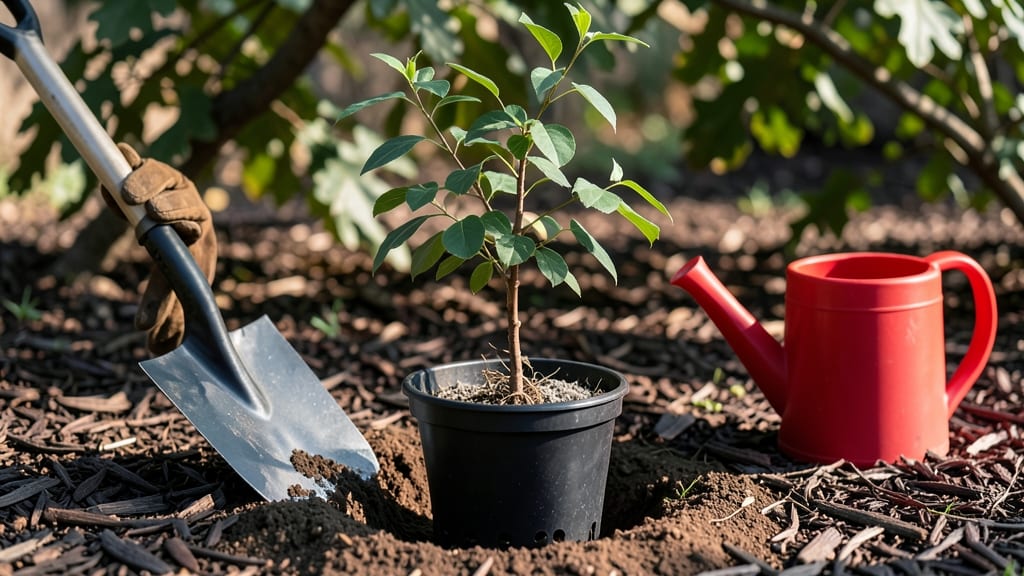
Timing your crape myrtle 🌸 planting in Zone 9 isn't just about following a calendar—it's about catching that sweet spot when soil warmth triggers strong root growth. Plant too early, and you risk stunted blooms or worse; too late, and your tree might struggle to establish before summer heat hits.
Most gardeners in Zone 9b get this wrong by focusing on months instead of soil conditions. The key is waiting for consistent 60°F+ soil temperatures, which typically arrives in late February to early March—just after the last frost window.
This small window makes all the difference between a thriving 🌸 crape myrtle and one that fights to survive.
I've seen firsthand how a well-timed planting leads to faster growth and more vibrant blooms—even in our hot Zone 9 climate. Whether you're a beginner or a seasoned gardener, mastering this timing ensures your tree gets off to the best possible start.
Let me show you exactly what to watch for.
From soil temperature tests to adjusting for microclimates, we'll cover everything you need to know to plant your crape myrtle at the perfect moment. Your future summer blooms will thank you!
Optimal crape myrtle planting window in Zone 9 based on soil temperature
In Zone 9, crape myrtles thrive when planted during the late winter to early spring window—specifically from mid-February to March. This timing aligns with the plant’s natural growth cycle, ensuring strong root development before summer heat arrives.
The key isn’t just the calendar date but the soil temperature, which should consistently reach 60°F or warmer at a depth of 6 inches.
Most gardeners in Zone 9 make the mistake of planting too early, often in January, when soil temperatures still hover around 50°F. Cold soil slows root growth and increases the risk of root rot or stunted development.
Instead, wait until the ground warms up—this is when your crape myrtle will establish roots quickly and bloom abundantly in its first season.
To test soil readiness, use a soil thermometer (available for under $10). Stick it into the ground on a sunny afternoon—if it reads 60°F+ for 3-4 consecutive days, it’s time to plant. Pro tip: Check temperatures in the morning and evening too, as daytime heat can skew readings.
For container planting, the same rules apply, but containers warm up faster than in-ground soil. Monitor your pots’ base temperature—if it’s 55°F or warmer, your crape myrtle is ready to go in its new home.
Just ensure the container has drainage holes to prevent waterlogging, a common issue in Zone 9’s humid summers.
Here’s a quick rule of thumb: Plant your crape myrtle when native desert willows (like those in your area) begin to leaf out. This natural indicator aligns perfectly with soil warmth and signals it’s safe to plant.
In coastal Zone 9 areas, this might be 2-3 weeks earlier than inland regions due to milder microclimates.
🌱 Zone 9 Crape Myrtle Planting Timeline
| Stage | Action | Soil Temp | Notes |
|---|---|---|---|
| Late Winter | Prepare soil (amend with compost) | 45-55°F | Wait for soil to warm |
| Early Spring | Plant crape myrtle | 60°F+ (consistent) | Avoid frost risk |
| Spring (4-6 weeks post-plant) | First blooms appear | 70°F+ | Prune dead blooms for fuller growth |
| Summer | Deep watering (bi-weekly) | 80°F+ | Drought-tolerant once established |
| Fall (Optional) | Light pruning | 65-75°F | Remove dead branches |
If you’re planting bare-root crape myrtles, soak the roots in water for 1-2 hours before planting to rehydrate them. This step is critical in Zone 9’s dry climate, where soil can dry out quickly.
For container-grown plants, gently remove the pot and loosen the root ball to encourage outward growth into the surrounding soil.
One common mistake is planting crape myrtles too deep, which can suffocate the roots. The root flare (where the roots meet the trunk) should sit 1-2 inches above ground level.
Use a spade to create a hole twice as wide as the root ball to minimize root disturbance and encourage strong establishment.
After planting, apply a 2-3 inch layer of mulch around the base (but not touching the trunk) to retain moisture and regulate soil temperature. In Zone 9, organic mulches like wood chips or straw work best, as they break down slowly and improve soil structure over time.
Replenish mulch annually to maintain its insulating properties.
For gardeners in coastal Zone 9 (e.g., Southern California), you can push planting slightly earlier—late January to early February—since ocean breezes moderate temperatures. However, always confirm soil warmth with your thermometer, as coastal fog can delay ground heating.
Inland areas should stick to the mid-February to March window for best results.
Optimal crape myrtle planting window in Zone 9 based on soil temperature
In Zone 9, crape myrtles thrive when planted during late winter to early spring—specifically when soil temperatures hit 60°F consistently for at least 5 days. This window ensures roots establish before summer heat arrives.
Most gardeners in Zone 9b (like Southern California or Arizona) can start as early as February, while cooler microclimates (e.g., higher elevations) may wait until March.
Why soil temperature matters: Crape myrtles are sensitive to cold soil, which can cause root rot or stunted growth. A soil thermometer ($10 at garden centers) is your best tool—insert it 6 inches deep in the morning for accurate readings.
Aim for 60°F+ before planting, as cooler temps slow root development and delay flowering.
🌱Pro Tip: If you’re unsure about soil temps, use the "finger test"—stick your finger 6 inches deep. If the soil feels warm to the touch (like a warm bath), it’s ready. If it’s cool, wait another week.
| Planting Stage | Soil Temp Requirement | Zone 9 Timeline | Action Steps |
|---|---|---|---|
| Pre-Planting | 50°F+ (minimum) | Late January–February | Test soil moisture; amend with compost if dry. |
| Ideal Planting | 60°F+ (consistent) | February–March | Plant after last frost risk (Zone 9: Jan 15 avg.). |
| Late Planting | Up to 70°F | April (cooler zones) | Mulch heavily; water deeply 2x/week. |
For container planting in Zone 9, soil warms faster, so you can plant 2–3 weeks earlier than in-ground. Use well-draining pots with 50% native soil and 50% compost to mimic ideal conditions. Monitor pots daily—containers dry out faster and can overheat in spring sun.
🌿Warning: Avoid planting during heatwaves (soil temps above 80°F). Young roots can scorch, leading to wilting. If temps spike unexpectedly, shade your newly planted crape myrtle with burlap for 1–2 weeks until soil cools.
Once planted at the right time, your crape myrtle will reward you with vibrant blooms by summer and minimal stress. The key is patience—waiting for 60°F soil ensures roots dive deep and thrive, setting the stage for years of low-maintenance beauty.