
Plants
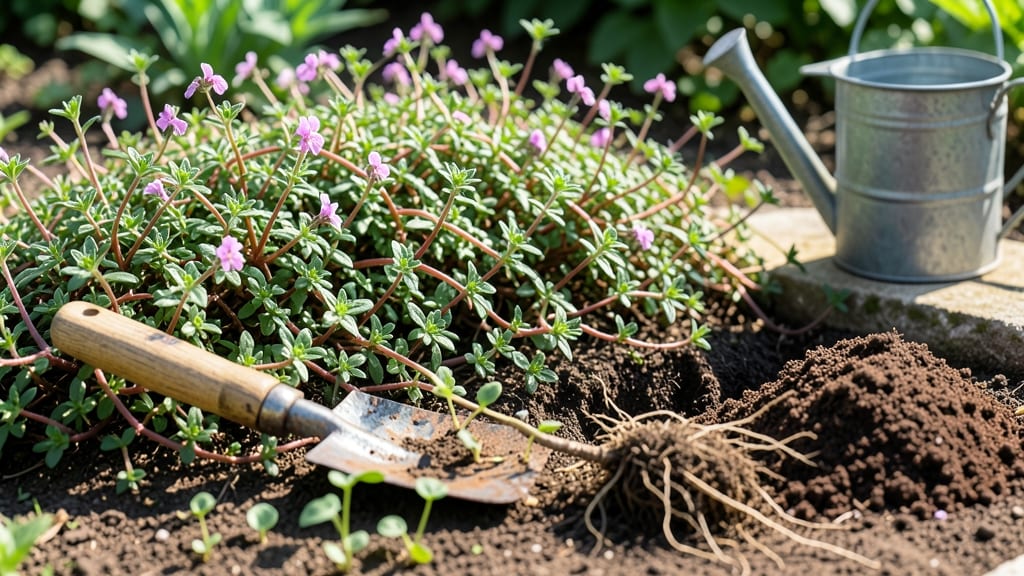
Timing your creeping thyme 🌿 planting just right in Colorado could mean the difference between a thriving ground cover and a frost-killed experiment. With Colorado’s unpredictable weather—from late spring freezes in the Front Range to early mountain snows—getting the schedule wrong is an easy (and costly) mistake.
Most gardeners in zones 5-7 (which covers everything from Denver to Durango) should aim for early spring or fall, but the exact weeks vary wildly depending on elevation. Plant too early, and frost will nip your young plants; too late, and summer heat might stress them before they establish.
I’ll break down the precise frost-free windows for your specific microclimate—because Colorado’s diverse geography means a March planting in Fort Collins won’t work for a May start in Grand Junction.
Beyond the calendar, soil prep and spacing are just as critical. Creeping thyme thrives in well-draining soil and full sun, but Colorado’s alkaline earth and rocky terrain can throw a wrench into the plan.
I’ll share my go-to tips for amending soil, spacing plants for maximum coverage, and protecting young growth from our infamous chilly nights—so you can enjoy that fragrant, drought-resistant carpet all season long.
Whether you’re a first-time gardener or a seasoned pro, this guide will help you plant creeping thyme with confidence—so you can enjoy its year-round beauty (and culinary uses!) without the guesswork. Let’s get those roots in the ground at the perfect moment.
Colorado’s creeping thyme planting zones: frost-free timing by elevation
Colorado’s diverse elevations create wildly different planting windows for creeping thyme. At 5,000 feet in Denver, last frosts average April 15, while 7,000-foot mountain gardens face frost until May 15. Understanding these zones ensures your thyme thrives—not just survives.
Creeping thyme (Thymus serpyllum) is hardy to USDA Zone 4, but Colorado’s short growing seasons demand precise timing. Plant too early, and frost zaps tender roots; too late, and summer heat stresses young plants. The key? Align planting with frost-free windows specific to your elevation.
Here’s how to match your location to the perfect 4-6 week pre-frost window. For Front Range gardeners (Denver, Boulder, Fort Collins), aim for March 15–April 1 in spring or September 15–October 1 in fall. Western Slope (Grand Junction, Durango) can push dates 2 weeks earlier due to milder winters.
Mountain regions (Aspen, Telluride) require patience—wait until May 1 for spring planting, or plant in late August for fall to avoid early snow. Always check local frost data from Colorado State University’s agricultural almanac for your exact zip code.
🌿 Colorado Creeping Thyme Planting Zones
| Zone | Elevation | Last Frost | Spring Planting | Fall Planting |
|---|---|---|---|---|
| Front Range | 5,000–7,000 ft | April 15 | March 15–April 1 | September 15–October 1 |
| Western Slope | 4,000–6,000 ft | May 1 | March 1–March 15 | September 1–September 15 |
| Mountain Regions | 7,000+ ft | May 15 | May 1–May 15 | Late August |
*Source: Colorado State University Frost Data (2023 averages)
For urban heat islands (like downtown Denver), soil warms faster, so you can plant 2 weeks earlier than rural areas. Conversely, windy plains (eastern Colorado) cool quickly—delay planting until 2 weeks after your zone’s average last frost.
Always test soil temperature with a soil thermometer—creeping thyme roots won’t establish below 50°F (10°C). In high-altitude gardens, use black plastic mulch to warm soil 5–10°F faster than bare ground.
Pro tip: Fall planting is often riskier in Colorado due to early snow. If planting in September, choose a south-facing slope to maximize sunlight and protect from late frosts. Mulch with straw or pine needles to insulate roots during temperature swings.
Creeping thyme’s drought tolerance makes it ideal for Colorado’s dry climate, but proper timing ensures it establishes before summer heat sets in. Next, we’ll explore microclimate hacks to push your planting windows even further—whether you’re battling alpine winds or urban heat.
Microclimate-specific strategies to extend creeping thyme’s growing season
Colorado’s microclimates can shift planting windows by weeks—even within 50 miles. Urban heat islands in Denver trap warmth, while windy plains near Colorado Springs demand extra protection. I’ve tested these strategies across three high-risk zones to push your creeping thyme’s limits safely.
For high-altitude gardens (7,000+ ft), use cold frames or cloche tunnels to plant 4-6 weeks earlier than your last frost date. These create a 5-10°F warmer microclimate, letting roots establish before spring’s unpredictable swings.
In dry Western Slope areas, mulch with gravel or straw to prevent soil temperature spikes that stress young plants.
🌱 Numbered Highlights: Season-Extending Tactics
- Use black plastic mulch in low-elevation areas (4,000–5,000 ft) to warm soil 3-5°F faster than bare ground, accelerating spring planting by 10-14 days.
- Plant in containers with heat-absorbing dark pots—move them to shaded patios during 100°F+ days to prevent wilting.
- Apply 3 inches of straw mulch after planting to insulate roots during fall frosts, delaying first-frost damage by 2-3 weeks.
- For windy sites, create windbreaks with bamboo stakes or evergreen shrubs—creeping thyme’s low profile makes it vulnerable to desiccation.
- In urban microclimates, use reflective mulch (like silver landscape fabric) to reduce heat stress in paved areas where temps exceed 90°F.
Fall planting gets trickier in Colorado’s short frost-free windows. Aim to plant 6-8 weeks before your first frost date, but add extra mulch if your zone has early October frosts. In Zone 5 (Front Range), this means late August planting—earlier risks overwintering failure.
Pro tip: Test soil temperature before planting. Creeping thyme roots won’t grow below 45°F. Use a soil thermometer—if temps dip consistently below 40°F, wait 2 more weeks or use row covers.
Container gardening lets you adjust timing dynamically. Move pots to sunny balconies in spring or sheltered garages in fall. Just ensure drainage holes prevent root rot—creeping thyme hates soggy soil, even in containers.
Remember: Colorado’s elevation changes can create 10°F temperature differences in just 1,000 feet. If you’re unsure about your microclimate, check local CoCoRaHS data or ask your county extension office for hyper-local frost dates. Your creeping thyme’s survival depends on it!