
Plants
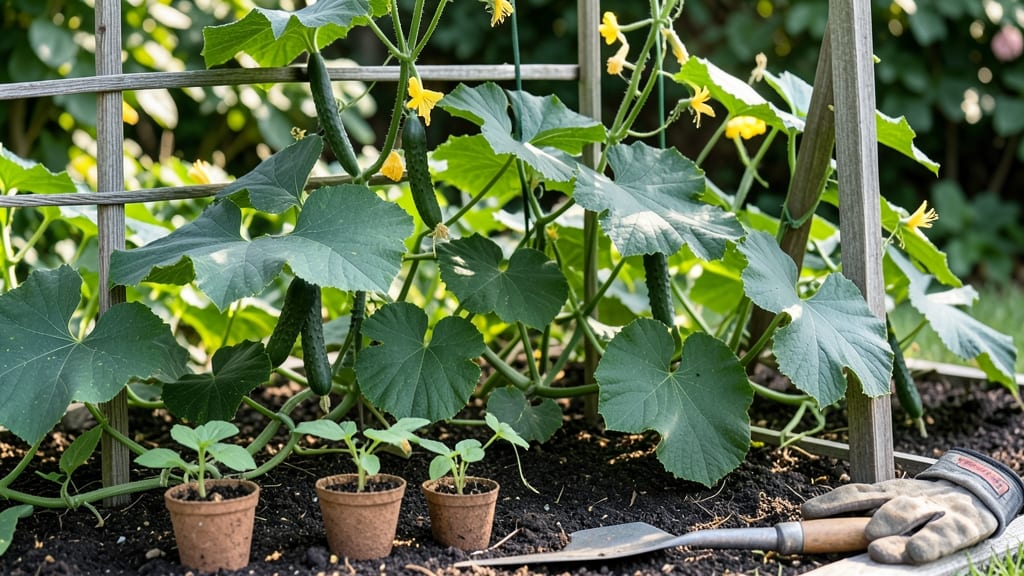
Best planting dates for cucumbers in East Tennessee’s USDA zones 6b-7a
Timing your cucumber plantings in East Tennessee is all about avoiding late frosts while maximizing your short growing season.
The last average frost date in Knoxville, Chattanooga, and surrounding areas typically falls around April 15, but cooler microclimates in higher elevations (like Great Smoky Mountains) may delay this by 1-2 weeks.
For a successful harvest, aim to plant cucumbers 2-3 weeks after your last frost date, when soil temperatures consistently reach 60°F.
Cucumbers are warm-season crops that won’t tolerate cold soil, so rushing your planting can stunt growth or invite disease. In USDA Zone 6b (like Knoxville), your ideal planting window is April 22–May 10, while Zone 7a (like Chattanooga) can start slightly earlier, around April 15–April 25.
Always check your local Almanac frost dates for precision, as microclimates can shift planting windows by 7-10 days.
Direct sowing is the preferred method for cucumbers in East Tennessee because they’re sensitive to root disturbance. Start seeds ½ inch deep in well-drained soil, spacing them 2–3 feet apart for vining varieties or 1–2 feet apart for bush types. If you’re transplanting seedlings, harden them off for 7–10 days before setting them out after your last frost date. Transplants should go in the ground no earlier than May 1 to avoid cold damage.
| Planting Method | Best Time (Zone 6b) | Best Time (Zone 7a) | Soil Temp Requirement | Notes |
|---|---|---|---|---|
| Direct Sowing | April 22–May 10 | April 15–April 25 | ≥60°F | Preferred; avoids transplant shock |
| Transplanting | May 1–May 15 | April 25–May 5 | ≥55°F | Use 3–4 week old seedlings |
| Fall Planting | August 1–August 15 | August 1–August 20 | ≥50°F | Choose fast-maturing varieties |
For gardeners in higher elevations (e.g., Gatlinburg or Sevierville), where frosts linger later, consider using black plastic mulch to warm the soil by 5–10°F. Lay the mulch 1–2 weeks before planting to accelerate soil warming and extend your planting window by 7–10 days.
This trick is especially useful for early spring plantings in Zone 6b areas where soil may still be chilly after the last frost.
If you’re growing cucumbers in containers or raised beds, heat up the soil even faster by placing the pots on black plastic sheets or using grow lights for seedling stages. Containers also allow you to move plants to sunnier microclimates if your yard has shaded spots.
Just ensure your container is at least 12 inches deep and has drainage holes to prevent root rot.
Don’t overlook fall plantings for a second harvest! In East Tennessee, you can sow cucumbers again in early August for a harvest before the first frost (typically October 20).
Choose fast-maturing varieties (like ‘Straight Eight’) that can go from seed to harvest in 45–55 daysrow covers to protect young plants from cool nights in September.
To adjust for microclimates, observe your yard’s sun exposure. South-facing slopes warm up faster and are ideal for early plantings, while north-facing areas may need to wait until mid-May. Even small differences—like a fenced-in sunny patch—can shift your planting window by 1–2 weeks.
Use a soil thermometer to confirm temperatures before planting; cucumbers won’t thrive in soil below 60°F.
Pro tip: Plant a test row of radishes 2 weeks before your target cucumber planting date. Radishes germinate quickly and signal when the soil is warm enough (50°F+) for cucumbers. This simple trick helps you avoid planting too early and risking cold damage. Pair your cucumbers with bush beans or radishes to mark your rows and
Best planting dates for cucumbers in East Tennessee’s USDA zones 6b-7a
Timing your cucumber plantings in East Tennessee is all about last frost dates and soil warmth. With USDA Zones 6b-7a, your average last frost date falls around April 15, but microclimates—like valleys or urban heat islands—can shift this by 1-2 weeks.
Start planning now to avoid cool soil shock, which stunts growth.
For direct sowing, wait until soil temperatures hit 60°F or warmer—typically mid-to-late April in most of East Tennessee. If you’re transplanting seedlings, harden them off by early May to give them a 6-week head start before summer heat peaks.
Knoxville gardeners often aim for May 1 as a safe bet.
| Method | Best Time | Notes |
|---|---|---|
| Direct Sowing | April 20 - May 15 | Wait for soil ≥60°F; use black plastic mulch to warm soil faster. |
| Transplanting | May 1 - May 15 | Start seeds indoors 4-6 weeks before last frost (early March). |
| Fall Planting | August 1 - August 15 | Choose fast-maturing varieties; harvest before first frost (Oct 20). |
Adjust your planting window based on your local microclimate. Areas like Chattanooga’s urban heat islands may warm up 1 week earlier than rural valleys. Use a soil thermometer to confirm readiness—cucumbers won’t germinate below 55°F. If nights stay chilly, opt for row covers to protect young plants.
For extended harvests, consider a second planting in late June using disease-resistant varieties. This works best in warmer microclimates where summer heat lingers. Always space plants 12-24 inches apart to improve airflow and reduce fungal risks like powdery mildew, a common issue in Tennessee’s humidity.
Don’t forget companion planting! Pair cucumbers with bush beans or radishes to improve soil structure and deter pests. Avoid planting near potatoes or sage, which can stunt growth. With the right timing and companions, your cucumbers will thrive even in East Tennessee’s unpredictable springs.
Pro tip: Mark your calendar for July 4th weekend—this is when most East Tennessee gardens hit their peak cucumber production. Plan your meals (or preserves!) around this bounty! 🥒