
Plants
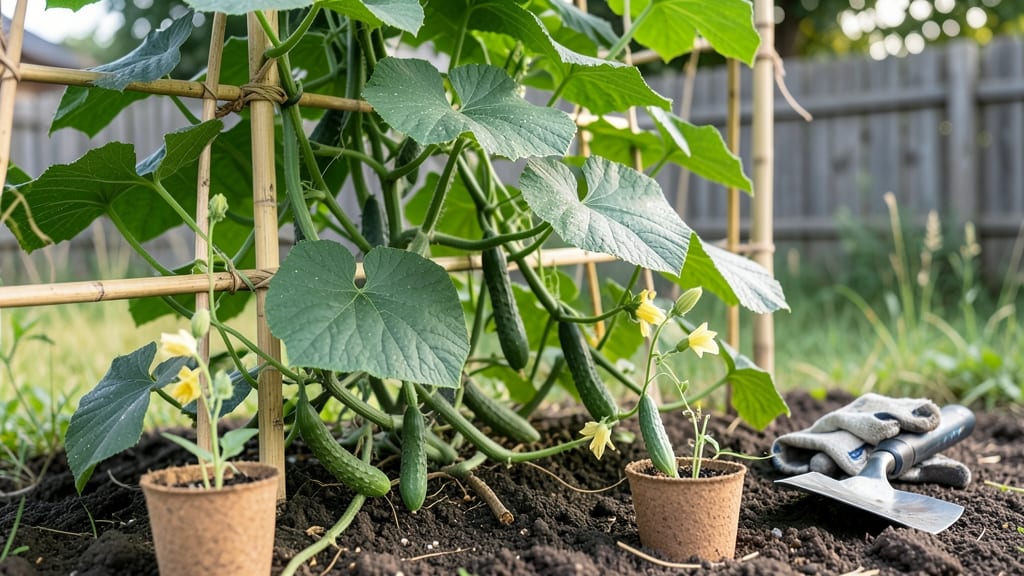
Timing your 🥒 cucumber planting in South Carolina can make the difference between a bumper crop and a disappointing harvest.
With the state's varied climate zones—from coastal Charleston to the Piedmont's Greenville—getting the window right is everything, especially when frost can still sneak in as late as mid-March or linger into November.
You might think "spring planting" means one-size-fits-all, but South Carolina's 7b-8a zones demand precision. Planting too early risks frost damage, while waiting too long cuts your harvest short.
The key? Knowing when soil temperatures hit 60°F and aligning with your county's last frost date—whether you're in Charleston's humid coastal belt or the Piedmont's slightly cooler air.
This guide breaks down the exact planting windows for both spring and fall crops, including when to start seeds indoors or transplant seedlings for maximum yield. We'll also cover how to adjust for microclimates, from coastal humidity to Piedmont heat, so you can avoid common mistakes that ruin cucumber harvests.
Ready to grow crisp, homegrown cucumbers all season long? Let’s dive into the frost-free timeline tailored to your South Carolina heat zone—and turn your garden into a productivity powerhouse.
South Carolina cucumber planting timeline by heat zone (frost-free dates)
Getting your cucumbers in the ground at the right time in South Carolina can mean the difference between a bountiful harvest and wasted effort. The state’s USDA zones 5A-8B create dramatic differences in frost dates—from Charleston’s coastal mildness to Greenville’s inland chill.
I’ve broken down the ideal planting windows by zone, including last frost dates for key cities to help you time it perfectly.
Most of South Carolina’s cucumber varieties thrive when planted after the last frost date, typically between mid-April and early June for spring crops. For fall planting, late July works best for heat-tolerant varieties.
But don’t guess—check your local USDA zone and historical frost data to avoid common mistakes like planting too early and risking frost damage.
Soil temperature is just as critical as air temperature. Cucumbers need soil that’s at least 60°F (15°C) before planting. In cooler zones like Zone 5A, this might not happen until late May, while Zone 8B gardeners can start as early as mid-March. Use a soil thermometer to confirm—it’s a small investment that saves big headaches.
Here’s a quick reference for South Carolina’s major cities and their typical frost-free windows. These dates are averages, so always check the National Weather Service or your local Cooperative Extension Service for updates before planting.
🌱 South Carolina Cucumber Planting Timeline by Zone
| Zone | Last Frost Date | Ideal Planting Window | Fall Planting Window | Soil Temp Requirement |
|---|---|---|---|---|
| 5A (Mountains: Greer, Landrum) | April 15 | Late May - Early June | Late July - Early August | 60°F+ (use row covers) |
| 6A (Upstate: Greenville, Spartanburg) | April 1 | Mid-April - Mid-May | Late June - Early July | 60°F+ |
| 7A (Midlands: Columbia, Rock Hill) | March 15 | Early April - Early May | Late June | 60°F+ |
| 7B (Coastal: Charleston, Myrtle Beach) | February 15 | Mid-March - Early April | Late July - Early August | 60°F+ (soil warms faster) |
| 8A (Coastal Lowcountry: Hilton Head) | January 31 | Early March - Early April | Late July - Early August | 60°F+ (year-round potential) |
🌡️ Pro Tip: Use black plastic mulch to warm soil faster in cooler zones.
For direct sowing (planting seeds straight into the garden), aim for 2-3 weeks after your last frost date. This gives the soil time to warm up and reduces the risk of seed rot.
In Zone 5A, that might mean waiting until late May, while Zone 8A gardeners can start as early as March.
If you prefer transplanting (starting seeds indoors), begin seeds 4-6 weeks before your last frost date in biodegradable pots. Harden off seedlings for 7-10 days before transplanting to avoid shock.
I’ve found that bush varieties like ‘Bush Champion’ adapt better to transplanting than vining types, which can struggle with root disturbance.
Don’t overlook fall planting—it’s a great way to extend your harvest into October. In Zone 5A, plant heat-tolerant varieties like ‘Straight Eight’ in late July for a late-season crop.
In warmer zones like Zone 8B, you can even squeeze in a winter crop with row covers if frost arrives late.
Always monitor weather forecasts in the days leading up to planting. A late frost can wipe out young seedlings overnight. I recommend setting up a frost alert system through your local Cooperative Extension or a weather app like PlantNet to stay ahead of surprises.
🌱
How to extend your cucumber growing season in South Carolina
South Carolina’s humid subtropical climate offers a long growing season, but early frosts in Zone 5A and scorching summer heat in Zone 8B can limit cucumber success. The key to maximizing your harvest is extending both the spring planting window and fall production using smart techniques tailored to your region.
For gardeners in Upstate SC (Greenville, Spartanburg), where last frosts can linger until mid-April, protective measures are essential. Meanwhile, coastal areas like Charleston and Hilton Head face powdery mildew risks from humidity, requiring different strategies. Let’s break down actionable methods to push your cucumbers past typical limits.
🌱 5 Proven Ways to Extend Your Cucumber Season
- 📅 Start with cold frames in Zone 5A (Greer, Landrum) 4-6 weeks before last frost. Soil warms faster with black plastic mulch (raises temps by 5-10°F).
- 🌡️ Use row covers (floating fabric) to protect seedlings from late spring frosts (common in Piedmont regions). Remove when flowers appear to allow pollination.
- 🌿 Plant heat-tolerant varieties like 'Southern Sweet 100' or 'Marketmore 76' for summer success. These thrive in 90°F+ temps common in Columbia and Florence.
- ☀️ Install shade cloth (30-50%) in Zone 8B (Beaufort, Myrtle Beach) during peak summer heat to prevent sunscald on fruits. Reduces soil temps by 10-15°F.
- 🔄 Practice succession planting every 2-3 weeks from May to July. For fall crops, sow heat-tolerant seeds in late July for harvests before first frost (mid-November).
In coastal South Carolina, where humidity hovers above 70% year-round, focus on airflow and spacing. Use trellises or cages to elevate vines, reducing contact with damp soil. For Upstate gardeners, prioritize soil warming—lay down clear plastic sheeting 1-2 weeks before planting to jumpstart growth.
Don’t overlook companion planting to naturally extend your season. Pair cucumbers with radishes or nasturtiums to repel pests like cucumber beetles, which thrive in SC’s warm springs. Radishes also act as trap crops, luring beetles away from your main crop.
For late-season success, harvest all cucumbers by October 15th in Zone 7B (Columbia) to avoid bitter fruit from cool nights. Store vines in garage or basement with 50% shade cloth and water lightly—this can produce 3-4 more weeks of harvests before frost.
Pro tip: Check your local Clemson Extension office for microclimate data. Some low-lying areas (like Charleston’s peninsula) may have 10-14 days longer frost-free seasons than nearby inland zones. Their frost prediction maps are gold for precise timing!