
Plants
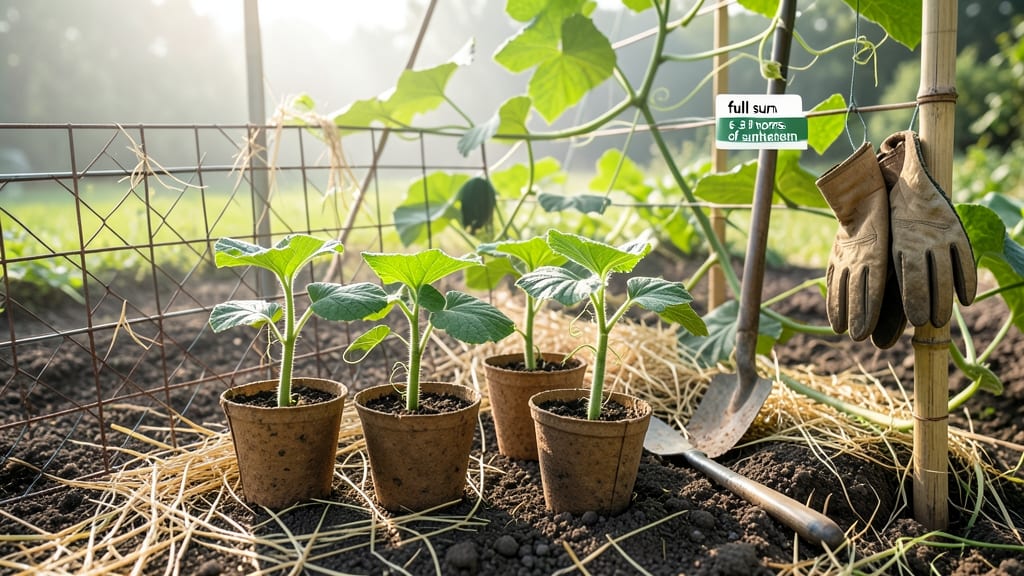
Timing your 🥒 cucumber planting in Zone 8a isn’t just about avoiding frost—it’s about syncing with the heat. Plant too early and you’ll battle lingering chills; too late, and summer’s sweltering temperatures arrive just as your vines struggle to establish.
The difference between a bountiful harvest and a bitter disappointment often comes down to these 2-3 week windows that separate success from frustration.
Most gardeners in Zone 8a know the drill: wait until soil temperatures hit 60°F and all frost risk has vanished. But here’s the catch—your exact start date depends on whether you’re growing heat-tolerant varieties or cooler-season types.
I’ll break down the precise windows for both, plus how to adjust for your microclimate’s quirks (yes, even within Zone 8a, your neighbor’s soil might warm faster than yours).
Beyond the calendar, you’ll discover why starting seeds indoors can shave 3-4 weeks off your growing season, how black plastic mulch tricks the soil into warming faster, and which companion plants repel pests while boosting your yield.
Let’s turn those 240 frost-free days into a season of crisp, homegrown cucumbers—no guesswork required.
Ready to ditch the trial-and-error? I’ll walk you through every step, from soil prep to harvest timing, so you can enjoy fresh 🥒 cucumbers from May through October (or even push that window later with late-summer plantings). Grab your gloves—your perfect planting plan starts here.
Zone 8a cucumber planting calendar: exact start dates by variety type
In Zone 8a, where winters are mild and summers scorching, cucumbers thrive—but only if planted at the precise moment. The last frost date typically lands around February 15, but soil temperature matters more than air temperature.
Aim for 60°F soil (use a soil thermometer) before planting. For spring cucumbers, this usually means mid-March to early April, while fall varieties go in late July to August for a late-season harvest.
Zone 8a’s microclimates complicate things. Coastal areas stay cooler longer, while inland zones heat up faster. Check your local frost-free date (usually 240 days after last frost) and count backward from your cucumber’s harvest time (typically 50–70 days to maturity).
For example, a 50-day variety needs to be in the ground by mid-July for a fall harvest.
Direct sowing is best for cucumbers, but transplanting seedlings (purchased or homegrown) can shave 1–2 weeks off your timeline. Harden off seedlings for 7–10 days before transplanting to avoid shock. If you’re starting indoors, begin seeds 3–4 weeks before your target outdoor date—so late February to early March for spring.
For spring cucumbers, prioritize heat-tolerant varieties like ‘Straight Eight’ or ‘Lemon Cucumber’ to handle Zone 8a’s 90°F+ summers.
If you’re planting in late summer, choose fast-maturing varieties (e.g., ‘Suyo Long’) to harvest before the first frost. Black plastic mulch can warm soil by 5–10°F, giving you a 2–3 week earlier start in spring.
Succession planting is key in Zone 8a. Sow new seeds every 2 weeks from April to July to ensure a continuous harvest. This works best with bush cucumbers (e.g., ‘Bush Champion’) or compact vining types (e.g., ‘Spacemaster’) that don’t sprawl.
Space seeds 1–2 inches deep and 12–24 inches apart, depending on the variety.
Watch for false starts in spring. If a late frost hits after you’ve planted, cover seedlings with frost cloth or a row cover. Remove it when temps rise to 55°F during the day.
In fall plantings, use cold frames or low tunnels to extend the season by 3–4 weeks past the usual frost date.
Pro tip: Use a planting calendar tailored to your Zone 8a location. Apps like Gardenate or Farmers’ Almanac provide hyper-localized frost dates. For example, San Diego (Zone 8a) has a later last frost than Atlanta (Zone 8a), so adjust accordingly.
Always err on the side of planting late rather than early—cucumbers hate cold soil!
Finally, monitor soil moisture closely after planting. Cucumbers need 1–2 inches of water per week, but drought stress can stunt growth. Use drip irrigation to keep leaves dry and reduce powdery mildew risk, a common Zone 8a issue.
Mulch with straw or grass clippings to retain moisture and regulate soil temperature.
Heat-tolerant cucumber varieties that thrive in Zone 8a summers
Zone 8a summers can push temperatures to 90°F+, but the right cucumber varieties won’t just survive—they’ll thrive. Heat-tolerant types like ‘Straight Eight’ and ‘Armenian’ cucumbers handle humidity and heat better than standard varieties, producing sweet, crisp fruit even when other plants wilt.
These varieties also resist common Zone 8a pests like cucumber beetles and diseases like powdery mildew, which flourish in hot, muggy conditions.
For space-conscious gardeners, bush varieties like ‘Bush Champion’ are perfect—they grow 3-5 feet tall instead of sprawling vines, making them ideal for containers or small plots.
If you have vertical space, ‘Marketmore 76’ delivers high yields with its 10-15 foot vines, perfect for trellises and maximizing harvests in limited areas.
When selecting varieties, prioritize those with disease-resistant labels like ‘Powder Blue’, which boasts powdery mildew resistance and a crisp, sweet flavor. Another top pick is ‘Lemon Cucumber’, a heat-loving Armenian type that thrives in Zone 8a’s intense summers, producing elongated, lemon-shaped fruits perfect for pickling or fresh eating.
For a double harvest, pair ‘Straight Eight’ (a classic slicing cucumber) with ‘Diva’, a parthenocarpic variety that produces fruit without pollination, making it ideal for greenhouses or shaded areas.
Both varieties mature in 50-60 days, ensuring a quick turnaround from seed to table even in Zone 8a’s short growing season.
Pro tip: Start seeds indoors 3-4 weeks before your last frost date (typically mid-February in Zone 8a) to give heat-loving varieties a head start. Harden off seedlings for 7-10 days before transplanting after soil temperatures hit 60°F+. This early jump helps cucumbers establish roots before the summer heat peaks.
Remember, shade cloth (30-50%) can extend the growing season for heat-sensitive varieties, while drip irrigation keeps roots cool during peak afternoon heat. With the right varieties and care, your Zone 8a cucumbers will reward you with abundant, flavorful harvests all summer long. 🌱