Plants
Timing your daffodil planting in NC can mean the difference between a vibrant spring display and wasted effort—because those golden 🌼 blooms need roots established before winter’s chill sets in.
North Carolina’s varied zones (6b-8a) throw a wrench into the mix, with frost dates shifting from November in the mountains to December along the coast.
If you’ve ever planted too early and watched your bulbs freeze or waited too late and missed the ideal window, you know how frustrating it can be.
The secret lies in planting 6-8 weeks before your area’s first frost, which for most of NC falls between mid-October and mid-December—but getting it wrong means risking weak growth or no blooms at all.
I’ll break down exactly when to plant in each zone, how to adjust for NC’s unpredictable weather, and which daffodil varieties handle our humidity best. No more guessing—just proven strategies to ensure your garden wakes up with cheerful yellow bursts every spring.
Let’s dive into the zone-specific schedule that’ll have your 🌼 thriving, no matter where you are in the Tar Heel State.
NC frost dates by Zone: best months to plant daffodils for zero risk
North Carolina’s USDA Zones 7a-8b create a unique challenge for daffodil lovers—the first frost can arrive as early as November 15 in Zone 7a or as late as December 15 in Zone 8b. To avoid frozen bulbs, timing is everything.
I’ve broken down the ideal planting windows by zone, using data from the NC State Climate Office to ensure your daffodils establish roots before winter sets in.
In Zone 7a, where winters are colder, aim to plant between mid-October and early December. This gives bulbs 6-8 weeks to root before the ground freezes. Meanwhile, Zone 8b gardeners have a slightly extended window—planting from late October through January works because milder winters delay frost.
The key is planting 6-8 weeks before your area’s average first frost.
🌼
For county-specific adjustments, check the NC State Climate Office’s interactive frost map. For example, Asheville (Zone 7a) typically sees frost by November 15, while Raleigh (Zone 7b) holds off until November 30.
Planting too early in September risks bulbs sprouting before winter, while waiting until January may delay blooms until late spring.
Pro tip: Use the "6-8 weeks before frost" rule as your guide. For Zone 7a, that’s October 15-30, while Zone 8b gardeners can push it to November 15.
If you miss the window, store bulbs in a cool, dark place (like a garage) until you can plant in January.
🌱
One common mistake I see is planting daffodils in full sun locations without considering soil temperature. Daffodils need well-draining soil that’s 50-60°F for root growth. In NC’s humid climate, heavy clay soils can cause rot.
Amend your soil with compost or sand to improve drainage, especially in low-lying areas where frost lingers.
For container gardening, plant daffodils in well-draining pots by October 15 in all NC zones. Containers warm up faster, so you’ll need to monitor for early sprouting. If buds appear before winter, protect them with mulch or a frost cloth until temperatures drop consistently below freezing.
🪴
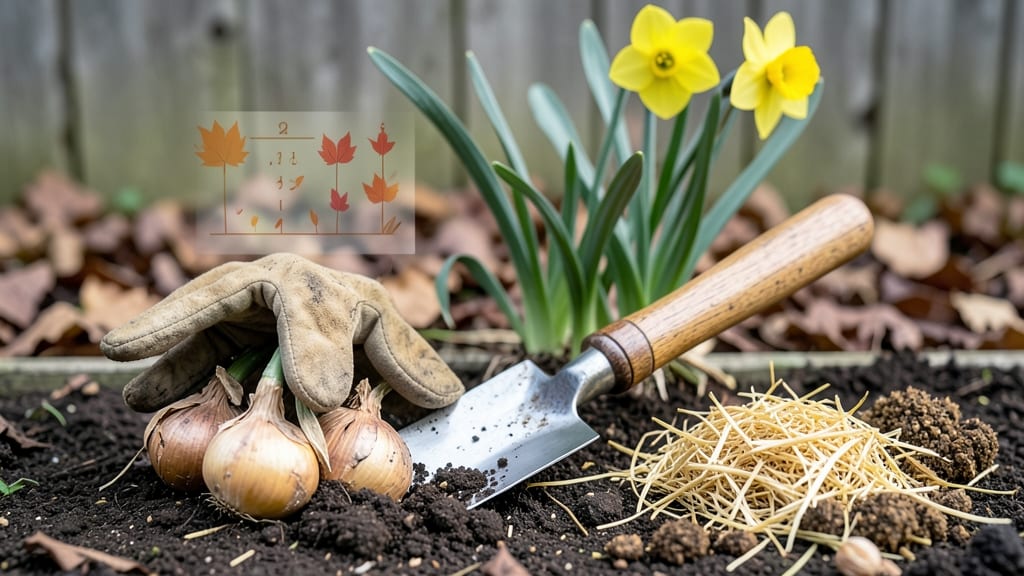
Finally, don’t overlook mulching—it’s your best defense against black ice and temperature fluctuations. Apply a 2-3 inch layer of straw or shredded leaves after planting.
This insulates bulbs without overheating them, which can happen with thick mulch in Zone 8b’s mild winters. Remove mulch in early spring to prevent rot.
By following these zone-specific timelines and soil prep tips, your daffodils will bloom earlier and more vigorously—often by March or April in NC. The secret? Planting at the right time so roots establish before winter, not after.
How to adjust planting for early or late NC winters: pro tips for unpredictable weather
North Carolina’s mild winters in Zones 7a-8b can trick you into planting daffodils too late—or too early—if you’re not paying attention to microclimates and black ice risks. The key is flexibility: adjust your planting window by 2-4 weeks based on soil temps and weather forecasts.
For example, if your Asheville garden (Zone 7b) sees an early frost in late November, shift planting to mid-October instead of November.
When Zone 8b winters (like Raleigh) stay unusually warm, daffodil bulbs may not get the 6-8 weeks of chilling they need to bloom. In these cases, I recommend pre-chilling bulbs indoors for 4-6 weeks in a cool, dark basement (40–50°F) before planting in January.
This mimics winter conditions and ensures vibrant spring blooms even in mild NC winters.
⚠️ Pros-Cons of Adjusting Planting Timing
✔️ Bulbs establish stronger roots before frost
✔️ Faster blooming next spring
✔️ Lower risk of black ice damage
✖️ Squirrels may dig up bulbs
✖️ Weeds compete for nutrients
✖️ Overwatering if fall rains persist
✔️ Fewer pests (squirrels, voles)
✔️ Less weed pressure
✔️ Pre-chilled bulbs bloom reliably
✖️ Weaker root growth before spring
✖️ Delayed blooms (2–3 weeks later)
✖️ Black ice can damage new shoots
To protect late-planted bulbs from black ice (a common NC winter hazard), cover them with 4–6 inches of straw mulch after planting. This insulation keeps soil temps above freezing while allowing water drainage.
For extra security, I’ve had success using frost blankets over newly planted beds in Zone 7a gardens during early December cold snaps.
If you’re in a coastal NC area (like Wilmington, Zone 8a), where winters are even milder, consider planting daffodils in January after pre-chilling. The NC State Climate Office reports that coastal regions often see 50°F soil temps by mid-January—perfect for bulb root growth.
Just monitor 10-day forecasts and plant when nighttime temps stay above 40°F.
For container gardening in NC, adjust timing by 2 weeks earlier than in-ground planting. Pots heat up faster and dry out quicker, so plant container daffodils in October (even in Zone 8b) and move them to a garage or shed if frost is forecasted.
This trick has helped my balcony garden in Charlotte bloom 2 weeks ahead of schedule!
Pro tip: Use a soil thermometer to check depths—daffodil bulbs need 50–60°F soil for rooting. If temps drop below 45°F, delay planting until conditions improve. This simple tool has saved my early-season plantings from frost damage in Mountain NC multiple times.