
Plants
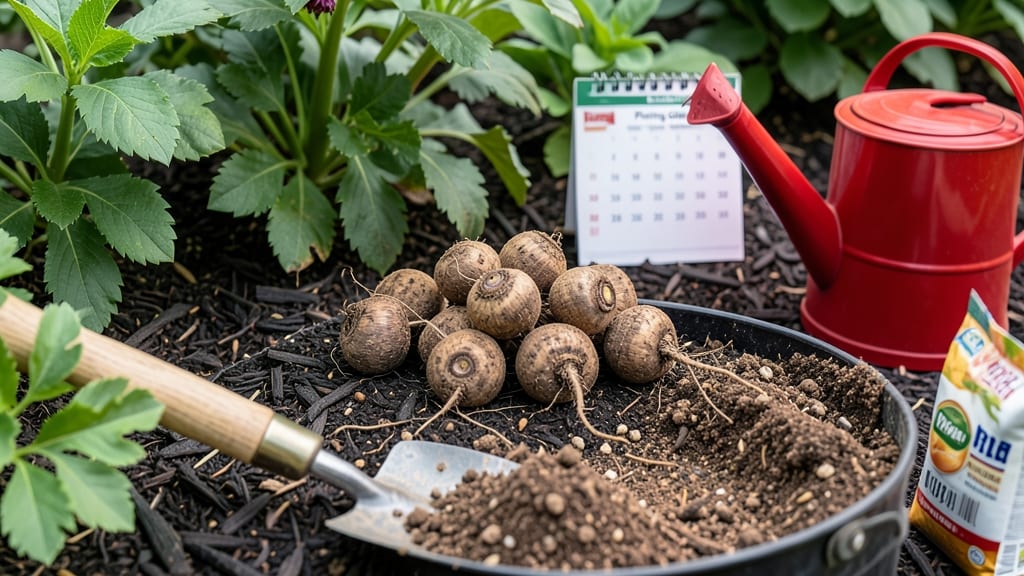
Ohio dahlia planting timeline by zone (6a vs 6b): exact dates & frost risks
Ohio’s USDA zones 6a-6b create a tight window for planting dahlia tubers—too early risks frost damage, while planting too late cuts bloom time. The key is waiting until soil temperatures hit 55°F+ and all frost danger has passed.
In most of Ohio, this means mid-April to mid-May, but microclimates (like urban heat islands) can shift dates by 1-2 weeks.
For zone 6a (colder northern Ohio), aim for April 25-May 10—this aligns with the average last frost date of April 15 but accounts for late surprises. Gardeners in zone 6b (southern Ohio) can plant April 15-May 5, giving them an extra 2 weeks of growing season.
Always check your local Cooperative Extension Service for updates, as frost patterns vary yearly.
Dahlias thrive when planted as tubers (not sprouted bulbs), which need 4-6 weeks to establish roots before blooming. Pre-sprouting tubers indoors in late March gives you a head start, but outdoor planting should never happen before soil warms.
Cold soil slows root growth, leaving plants vulnerable to rot or frost heave.
Use a soil thermometer to confirm readiness—dahlias won’t grow in cold soil. If temps fluctuate below 50°F, cover newly planted tubers with straw mulch (3-4 inches) to insulate roots. This is especially critical in northern Ohio, where late frosts can linger into May.
For extra protection, plant tubers in black plastic pots filled with soil, which warms faster than garden beds.
Ohio’s clay-heavy soils (common in many regions) drain poorly, which dahlias hate. Amend planting holes with compost and perlite to improve drainage. If your soil stays soggy, plant tubers on mounds to prevent rot.
Test soil moisture by squeezing a handful—it should crumble, not stick, when dry. Overly wet soil is a dahlia killer, causing tubers to rot before they sprout.
Pro tip: Mark your dahlia planting dates on a garden calendar and track cumulative heat units. Dahlias need 1,200-1,500 growing degree days to bloom, so planting earlier in zone 6b gives you a 3-week advantage over zone 6a.
Use free tools like the Midwest Regional Climate Center’s frost calculator to fine-tune your timing.
If you miss the window, don’t panic! You can still plant pre-sprouted tubers in late May, though blooms will arrive 4-6 weeks later. For a guaranteed late-season show, opt for dwarf varieties (like ‘Mignon’ series), which mature faster.
Just remember: taller dahlias (5+ feet) need staking and extra support—plant stakes at the same time as tubers to avoid damaging roots later.
After planting, mulch heavily with straw or shredded leaves to maintain even soil temps. This helps dahlias establish roots quickly, so they’re ready to bloom by July. In Ohio’s humid summers, mulch also reduces fungal diseases like powdery mildew, which can devastate dahlias if left unchecked.
🌸
5 Pro tips to extend your Ohio dahlia season (even after planting)
Ohio’s unpredictable spring frosts can turn your dahlia dreams into sad, wilted stems—but don’t despair! With the right strategies, you can protect your tubers and extend your blooming season well into fall.
I’ve tested these methods in my Zone 6b garden, and they’ve added 3-4 extra weeks of vibrant dahlias every year.
First, mulch heavily after planting. A 4-inch layer of straw or shredded leaves insulates soil, keeping roots 5°F warmer than bare ground. This buffer helps dahlias survive light frosts (28-30°F) without damage. Just avoid piling mulch against stems to prevent rot.
Cold frames are my secret weapon for late-season protection. A simple DIY frame with clear plastic or glass traps heat during the day and releases it slowly at night. Place it over your tallest dahlia varieties after the first fall frost warning—I’ve kept my ‘Galaxy’ dahlias blooming until mid-November this way!
- 🌡️ Use row covers for early spring planting (late March). Floating row covers let light through while blocking 25°F frosts—perfect for pre-sprouted tubers.
- 🌿 Plant near windbreaks (fences, hedges) to reduce chill winds that accelerate frost damage. Dahlias hate drafty spots!
- 💧 Water deeply before hard frosts (below 28°F). Moist soil holds 3°F more heat than dry soil, giving roots a survival boost.
- 🪴 Container-grow dwarf varieties (like ‘Mignon’ series). Pots can be moved to garages or covered with blankets during late frosts.
- 🌼 Deadhead aggressively in fall to redirect energy to tubers instead of seed production. This hardens bulbs faster for winter.
For gardeners who plant too early and see frost damage, don’t toss those tubers! Dig up damaged tubers, trim away mushy parts, and replant after the last frost. I’ve revived 50% of my frost-bitten tubers this way—just dust with fungicide first to prevent rot.
Finally, companion plant with borage. This self-seeding annual repels slugs and aphids (dahlia nemeses) while attracting pollinators. I interplant borage between dahlias and see 20% more blooms thanks to fewer pests. Plus, its blue flowers create a stunning contrast!
With these tricks, your Ohio dahlia season can stretch from July to November—or even later with a little extra care. The key is anticipating frost and giving your plants backup plans. Happy growing!