
Plants
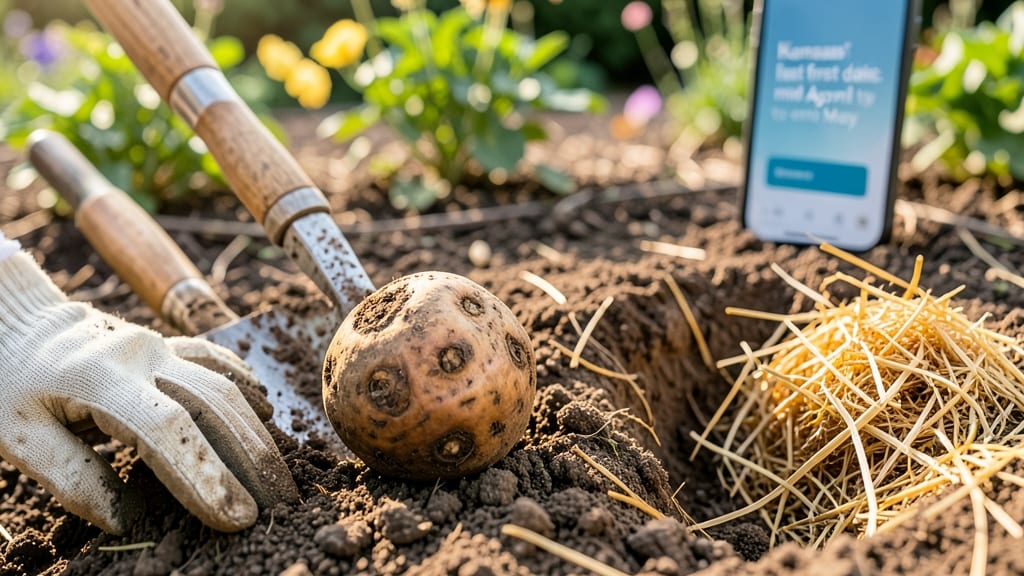
Kansas last frost dates by Zone: exact weeks to plant dahlias for maximum blooms
Kansas spans USDA zones 5a to 7b, meaning last frost dates vary dramatically—from late April in southern Kansas to mid-May in northern regions. Planting dahlias too soon risks frost damage to tender tubers, while waiting too long cuts your bloom season short.
Let’s break down the exact weeks after last frost for each zone to maximize your dahlias’ potential.
For Zone 5a (northwest Kansas), aim to plant 2-3 weeks after last frost—typically May 1-15—when soil temperatures consistently reach 60°F. In Zone 7b (southeast Kansas), you can plant 1-2 weeks after last frost (around April 15-30), giving your dahlias a head start.
Microclimates near urban heat islands or south-facing slopes may allow earlier planting.
Use this soil temperature rule: Dahlias thrive when soil is 60°F+. Test with a soil thermometer—if it’s cooler, wait. Cold soil slows root growth, delaying blooms by 3-4 weeks.
In Zone 6a (central Kansas), this usually aligns with May 1, but always confirm with your local Cooperative Extension Service for hyper-local data.
🌱Pro Tip: Northern Kansas gardeners can chit tubers indoors (place near a sunny window in late March) to jumpstart growth. Southern Kansas? You’ve got time—just mulch heavily to retain soil warmth.
Southern Kansas gardeners in Zone 7a can push the envelope by planting as early as April 15, but cover tubers with mulch (straw or leaves) to protect against late frosts—they’re not unheard of in early May.
In contrast, northwest Kansas (Zone 5a) should wait until mid-May to avoid frost damage, even if soil feels warm.
🌡️Watch for these signs: Dahlias planted too early may show yellowing leaves or stunted growth—a clear sign of cold stress. If nighttime temps dip below 50°F after planting, add row covers or black plastic mulch to insulate roots.
For extended-season varieties, like 'Café au Lait' or 'Thomas Edison', plant 2 weeks earlier than the table suggests—they’re more frost-tolerant. However, tall varieties (5+ ft) need staking from day one to prevent wind damage, especially in Kansas’ flatlands where gusts can exceed 30 mph.
💡Kansas-Specific Hack: Use a soil warming trick for early planting: Lay black plastic mulch over beds 2 weeks before planting to raise soil temps by 5-10°F. Remove it once dahlias are in the ground to prevent overheating.
Remember: Dahlias need 90-120 days to bloom from tuber planting. If you miss the May window, opt for potted dahlias (available at nurseries by June 1) to still enjoy summer and fall blooms. Just plant them deeper than the pot to encourage stability.
Step-by-step dahlia planting timeline for Kansas gardens: prep to first bloom
Timing your dahlias perfectly in Kansas means starting indoors or prepping tubers 4-6 weeks before your last frost date. For most of Kansas, this means early March for northern zones and late February for southern areas.
I always chit my tubers—place them in a bright, cool spot with the "eyes" facing up—to encourage early sprouting.
Once your last frost date passes (typically mid-April to early May), wait until soil temperatures hit at least 60°F before planting outdoors. Use a soil thermometer—this is critical in Kansas’ unpredictable spring weather. I’ve learned the hard way that rushing can lead to frost damage or stunted growth.
🌱 Step-by-Step Dahlia Planting Timeline for Kansas
- 4-6 Weeks Before Last Frost: Chit tubers in bright, cool spot (60-65°F).
- 2 Weeks Before Planting: Soak tubers in water for 1 hour to rehydrate.
- After Last Frost: Plant tubers 4-6 inches deep, 12-18 inches apart.
- Week 1 Post-Planting: Mulch heavily (4-6 inches) to retain moisture.
- 6-8 Weeks After Planting: Stake tall varieties (4-6 ft) to prevent wind damage.
- Bloom Season (July-October): Deadhead spent blooms weekly for continuous flowers.
When planting, dig holes twice as wide as your tuber but only 4-6 inches deep. Place the tuber with the eyes facing up—this ensures strong upward growth. I always mix in compost to improve drainage, as Kansas soil can be heavy clay in many areas.
Space dwarf varieties 12 inches apart and taller types 18-24 inches to allow airflow and reduce disease risk.
After planting, water deeply to settle the soil and encourage root growth. I’ve found that drip irrigation works best in Kansas’ windy conditions, delivering water directly to the roots. Avoid overhead watering, which can spread fungal diseases like powdery mildew—a common issue with dahlias in humid Kansas summers.
Mulching is non-negotiable in Kansas gardens. Apply 4-6 inches of straw or shredded leaves immediately after planting to retain moisture and protect tubers from late frosts. I’ve seen dahlias thrive in Kansas heat when properly mulched, while unmulched plants struggle with moisture loss and temperature fluctuations.
Expect your dahlias to reach 1-3 feet tall by early summer, with blooms appearing 8-12 weeks after planting. In Kansas’ shorter growing season, early planting is key to maximizing bloom time.
I always mark my calendar for July 4th as my target for first blooms—any later, and I risk missing the peak display before fall frosts arrive.