
Plants
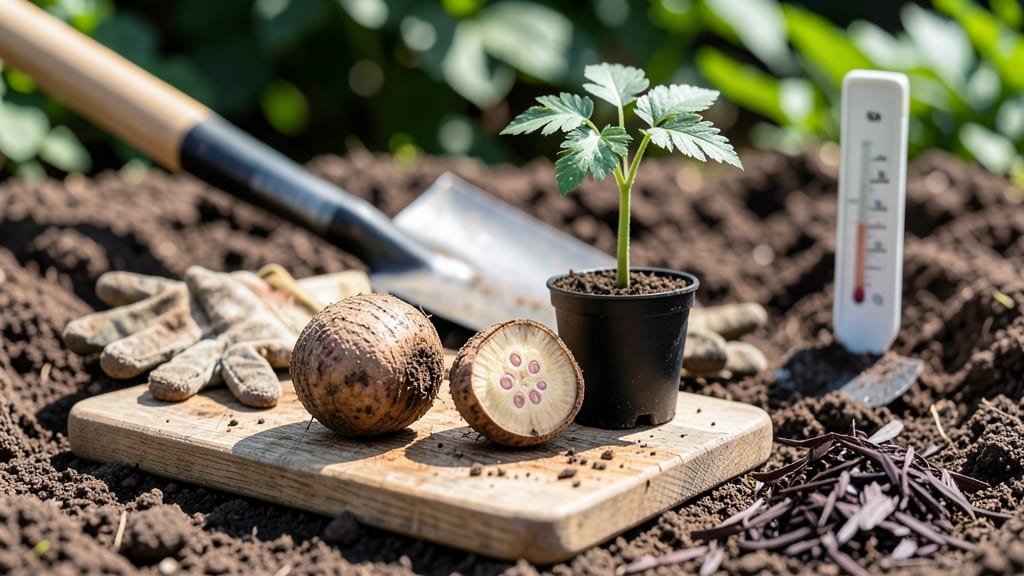
Timing your dahlias planting in Zone 6b can mean the difference between a showstopping summer garden and a missed opportunity for those stunning 🌼 blooms. If you plant too early, a late frost will nip your tubers in the bud—literally.
But rush it, and you’ll sacrifice weeks of vibrant color just as summer kicks off.
Most Zone 6b gardeners wait until mid-to-late May, when soil temperatures consistently hit 60°F and the last frost has passed. That’s the sweet spot for tubers to wake up without risking cold damage.
But here’s the catch: your exact window depends on whether you’re starting seeds indoors or planting pre-sprouted tubers directly.
I’ll break down the exact timing based on your local frost dates and soil conditions, plus pro tips for preparing dahlias so they thrive from day one. No more guessing—just a foolproof plan to get your garden bursting with color by July.
Ready to transform your yard into a dahlia paradise? Let’s dive into the perfect planting strategy for Zone 6b’s unpredictable spring weather.
Zone 6B dahlias planting timeline: frost dates & soil temperature guide
In Zone 6B, timing is everything for dahlias—these showstopping blooms need warm soil and frost-free conditions to thrive. The average last frost date for Zone 6B falls between April 15 and May 1, but your exact window depends on microclimates.
Plant too early, and frost will blacken tender tubers; too late, and you’ll miss peak summer blooms.
Dahlias demand soil temperatures above 60°F to sprout consistently. Use a soil thermometer to confirm warmth before planting. Most Zone 6B gardeners aim for mid-May as their target, but early April can work in sheltered microclimates with row covers ready.
Your best planting window spans two critical weeks: May 1–15. This range balances soil warmth and frost risk, giving dahlias time to establish roots before summer heat arrives. For late bloomers like 'Café au Lait', you can extend planting until June 1—just expect smaller plants.
🌼 Pro Tip: Check your local USDA Plant Hardiness Zone Map for precise frost dates. Cities like Chicago or Denver may have later frost risks than rural areas.
🌱 Zone 6B Dahlias Planting Summary
| Stage | Action | Soil Temp | Frost Risk |
|---|---|---|---|
| Early Prep (March) | Chit tubers indoors | N/A | High |
| Hardening (Late April) | Acclimate tubers to outdoors | 45–55°F | Moderate |
| Prime Planting (May 1–15) | Plant tubers 4–6" deep | 60°F+ | Low |
| Backup Window (June 1) | Late bloomers only | 65°F+ | None |
| Post-Planting | Mulch, water deeply | N/A | None |
If your Zone 6B spring drags on, don’t panic. Use a soil warming trick: Lay black plastic mulch over beds 2–3 weeks before planting to raise temperatures faster. For container dahlias, warm soil heats up quicker, making them a great option for late starters.
Monitor your local Almanac frost predictions—some years, late frosts hit after May 15. If frost threatens, cover plants with frost blankets or move containers indoors temporarily. Dahlias are tender perennials, so they won’t tolerate cold snaps once sprouted.
For maximum blooms, aim to plant by May 15. After this date, dahlias may grow but won’t reach their full 6-foot potential or produce as many flowers. Varieties like 'Bishop' or 'Karma Choc' are forgiving for late plantings, but expect smaller stems.
🌡️ Key Soil Temp Check: Stick a thermometer in the ground at 6-inch depth (where tubers will sit). If it reads below 60°F, wait 3–5 days before planting to avoid stunted growth.
Remember: Dahlias in Zone 6B need 165 frost-free days to mature. Planting by mid-May ensures they’ll bloom through September–October before the first frost hits. For cut flowers, this timing is critical—you’ll miss the harvest window if you’re late!
Zone 6B dahlias planting timeline: frost dates & soil temperature guide
In Zone 6B, your dahlias planting window hinges on two critical factors: soil temperature and last frost dates. Most gardeners in this zone wait until mid-to-late May when soil warms to 60°F+, but your exact timing depends on local microclimates.
For example, areas near large bodies of water may warm faster than inland spots.
Use a soil thermometer to confirm readiness—dahlias won’t sprout until the ground reaches 60°F for 3+ days. If your soil is still cold, even if frost risk has passed, your tubers will rot before they grow. Patience here prevents wasted effort and heartbreak.
| Stage | Action | Zone 6B Timeline |
|---|---|---|
| Soil Prep | Amend with compost; test pH (6.0-7.0) | Early April |
| Chit Tubers | Place in bright, cool spot (60°F) | Late March–Early April |
| Last Frost | Wait 2+ weeks after average last frost (April 15) | Mid-May |
| Plant Tubers | 4-6" deep, 12-18" apart | Late May–Early June |
| First Blooms | With proper care, expect color by July | July–October |
If you’re starting dahlias from seeds instead of tubers, your timeline shifts earlier. Sow seeds indoors 8-10 weeks before your last frost (around early March for Zone 6B). Seedlings will need hardening off for 7-10 days before transplanting in late May.
For gardeners in higher-elevation areas of Zone 6B, where nights stay chilly longer, consider using black plastic mulch to warm soil faster. This can shave off 1-2 weeks from your planting window. Just remove it once tubers sprout to prevent overheating.
Pro tip: Monitor your local weather using the National Weather Service or a garden-specific app like Gardenate. These tools provide hyper-local frost predictions that can adjust your timeline by 1-2 weeks in either direction.
Remember, dahlias thrive on consistency. Once planted, maintain moist but not soggy soil and full sun exposure to encourage robust growth. With the right timing, your garden will burst into 🌼 color by midsummer.