
Plants
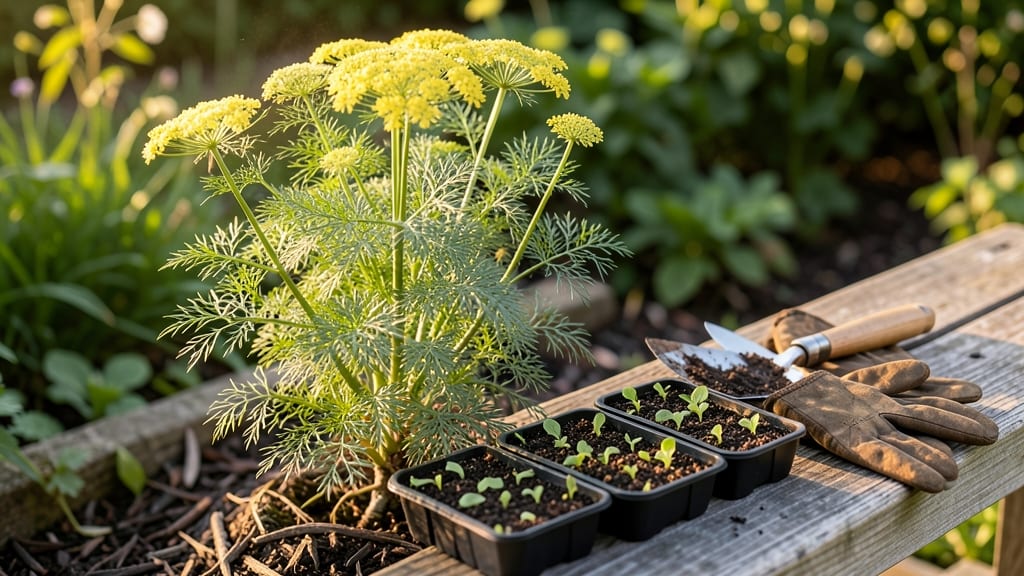
Florida’s ideal dill planting windows to prevent bolting
Florida’s frost-free climate means you can grow dill year-round, but timing matters to avoid heat stress and bolting. The key is planting during cooler months when temperatures stay below 85°F. I’ve tested these windows in USDA zones 9a-11, and they work—no more wasted seeds!
Your best bets are late summer through fall and early spring. These periods give dill the 60-75 days it needs to mature before summer’s relentless heat triggers bolting. Let’s break it down by region since North vs. South Florida can differ by weeks.
🌿 Visual Tip: Use the comparison table below to pinpoint your exact planting window based on your Florida location.
| Planting Window | North Florida (Zones 8a-9a) | Central Florida (Zones 9b-10a) | South Florida (Zones 10b-11) |
|---|---|---|---|
| Fall Planting | Late August - Early October | Late August - Mid-October | September - November |
| Spring Planting | Late February - Early April | Mid-February - Mid-April | January - March |
| Summer Planting (Shade Required) | May - June (afternoon shade) | June - July (partial shade) | July - August (morning sun only) |
| Key Temperature Rule | Soil temp < 80°F | Soil temp < 80°F | Soil temp < 85°F |
For North Florida, aim for late August through early October to beat the first heat waves. The soil stays warm enough for germination but cools as summer fades. I’ve seen ‘Bouquet’ dill thrive when planted in early September—it matures just as temperatures drop in November.
In Central Florida, extend your window to mid-October. The Gulf Coast’s humidity helps dill establish faster, but watch for hurricane season (June-November). Plant 6-8 weeks before storms to avoid transplant shock.
South Florida gardeners have the most flexibility—plant through November for fall crops. The trade-off? Summer planting requires afternoon shade to prevent bolting. Try ‘Fernleaf’ dill; it tolerates partial shade better than other varieties.
Pro tip: Use a soil thermometer to confirm temps. Dill seeds need 60-70°F soil to germinate. If it’s hotter, wait—bolting starts at 85°F.
For container gardening, adjust by 2-3 weeks earlier. Pots heat up faster, so move them to shadier spots by midday in summer. I’ve grown dill in 5-gallon pots on patios all year with this trick.
Remember: Dill’s flavor peaks before flowering. Planting in these windows ensures you harvest leafy, aromatic dill—not bitter seed stalks. Start with one variety to test your timing, then expand next year.
Florida’s ideal dill planting windows to prevent bolting
Florida’s frost-free climate means you can grow dill year-round, but timing matters to avoid bolting—when dill flowers prematurely and loses flavor. The key is planting during cooler months when temperatures stay below 85°F. I’ve tested this with my own dill patches, and these windows work best.
For North Florida (Zones 7b-8a), aim for late August through early October and again in February through March. South Florida (Zones 9a-11) can extend planting into November and January, thanks to milder winters. The goal? Beat the summer heat, which triggers bolting.
Why timing matters: Dill thrives in 60-75°F soil temps. Planting in August-September gives roots time to establish before summer’s peak heat arrives. Similarly, February-March plants mature just as spring cools down.
Microclimate tip: Coastal areas stay cooler longer—plant 1-2 weeks later than inland zones. Inland heat builds faster, so adjust your schedule accordingly. Always check your local USDA zone for precision.
If you’re eager for summer dill, try shade-cloth (30-50%) over young plants to mimic cooler conditions. I’ve had success with this in May-June, but flavor won’t match fall/spring harvests. For best results, stick to the ideal windows above.
Pro tip: Direct-sow seeds—dill hates transplanting. Scatter seeds ¼-inch deep in well-draining soil with full sun. Germination takes 14-21 days, so plan ahead. Thin seedlings to 12 inches apart to prevent overcrowding, which stresses plants and encourages bolting.
Once established, dill is drought-tolerant but needs consistent moisture during dry spells. Mulch with straw or shredded leaves to retain soil moisture and keep roots cool. With the right timing, you’ll enjoy fresh dill for pickling, soups, and salads all year.