
Plants
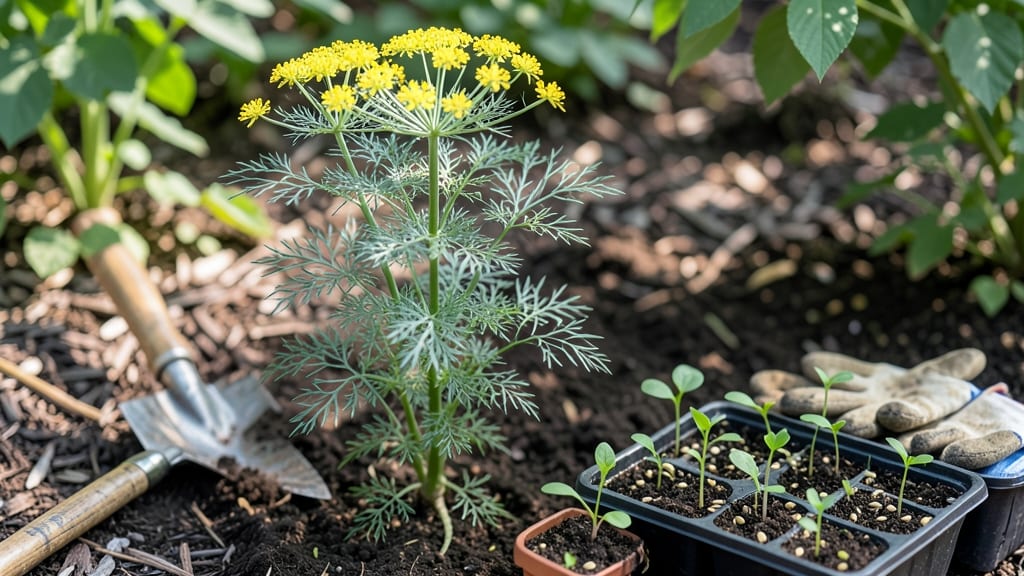
If you’ve ever planted dill in Southern California only to watch it bolt into bitter, seed-filled stalks before you can use it, you’re not alone.
The key to growing lush, flavorful 🌿 dill lies in understanding the perfect planting window—and it’s not as simple as just grabbing seeds and sticking them in the ground.
Here’s the secret: Southern California’s mild winters and intense summers mean dill thrives best when planted during two critical windows—early spring and late summer—when temperatures stay cool enough to prevent premature bolting.
Skip these months, and you’ll end up with tough, woody stems instead of the fresh, tender leaves you crave.
I’ve tested the best strategies for year-round dill success, from soil prep to companion planting, so you can enjoy fresh dill for tacos, soups, and salads without the frustration.
Let’s dive into the exact months to plant, plus pro tips to keep your dill happy and productive all season long.
Whether you’re a beginner gardener or a seasoned green thumb, timing is everything—and once you master it, you’ll never buy dill from the store again. Ready to grow your own?
Best planting months for dill in Southern California’s climate zones
Southern California’s mild winters and hot summers create unique challenges for growing dill. Unlike northern regions, we don’t have to worry about frost damage, but heat stress and bolting are real threats. The key to success? Planting during cooler months when soil temperatures stay below 75°F.
Your best bets are February-March for spring harvests and August-September for fall crops. These windows give dill 6-8 weeks of ideal growing conditions before summer’s peak heat arrives. Coastal areas like Malibu or San Diego have slightly longer growing seasons than inland Los Angeles or Riverside due to ocean breezes.
Here’s how your microclimate affects planting times:
For coastal gardeners, you can push planting into December for early spring harvests, but avoid planting after April 15th—the heat will cause bolting within weeks. Inland areas should stop planting by March 31st for spring crops and September 15th for fall plantings.
Pro tip: Use a soil thermometer to monitor temperatures. Dill seeds need 60-70°F soil to germinate properly. If your soil hits 80°F+, your seeds will either fail to sprout or bolt immediately. Shade cloth can help lower soil temps by 10-15°F during peak summer months.
Remember that dill is a biennial, meaning it grows leaves the first year and flowers/seeds the second. In Southern California’s climate, most dill completes its life cycle in one year if planted in summer, so plan your timing accordingly for seed production.
Direct-sowing is highly recommended—dill hates transplanting. Scatter seeds ¼ inch deep and 12-18 inches apart in well-draining soil. If you’re in a high-elevation area (like Big Bear), you might experience light frosts in winter, so protect your plants with row covers or move containers indoors.
Your first harvest should happen in 6-8 weeks, but continuous picking encourages bushier growth. For maximum flavor, harvest leaves in the morning after dew has dried but before the sun intensifies.
🌿
Best planting months for dill in Southern California’s climate zones
Southern California’s mild winters and hot summers create unique challenges for growing dill. Unlike northern regions, you won’t face frost threats, but heat stress and bolting are real concerns. The key is planting when soil temperatures stay below 75°F—ideal for dill’s slow, steady growth.
Coastal areas like Los Angeles and San Diego enjoy cooler microclimates, while inland valleys like the Inland Empire can hit 100°F+ summers. This means your planting window shifts based on elevation and proximity to the ocean. Let’s break it down by zone for zero-bolt success.
| Climate Zone | Ideal Planting Months | Soil Temp Trigger | Avoid These Months |
|---|---|---|---|
| Coastal (LA, SD, Santa Barbara) | February–March & August–September | 55–70°F (soil) | June–August (peak heat) |
| Inland Valleys (Riverside, San Bernardino) | January–February & September–October | 50–65°F (soil) | April–July (extreme heat) |
| Desert (Palm Springs, Joshua Tree) | November–December & October (fall only) | 45–60°F (soil) | March–September (too hot) |
For coastal gardeners, aim to plant in late winter (February–March) when days are lengthening but nights stay cool. This gives your dill 6–8 weeks of growth before summer’s heat arrives. Inland areas should start even earlier—January—to beat the 100°F+ temperatures that trigger bolting.
Pro tip: Use a soil thermometer to confirm temperatures. Dill seeds won’t germinate well above 80°F, and established plants struggle in consistent 90°F+ heat. If you’re planting in summer, focus on shade cloth (30–50% coverage) to buy time for harvests.
Remember, dill is a cool-season crop, but Southern California’s mild winters mean you can grow it year-round with the right timing. Spring plantings yield leafy growth, while fall plantings produce seeds—perfect for pickling or bird feeders!
Start with direct sowing (no transplants) for best results. Seeds need light to germinate, so don’t bury them deeper than ¼ inch. Space plants 12–18 inches apart to allow airflow and reduce bolting risks.