Plants
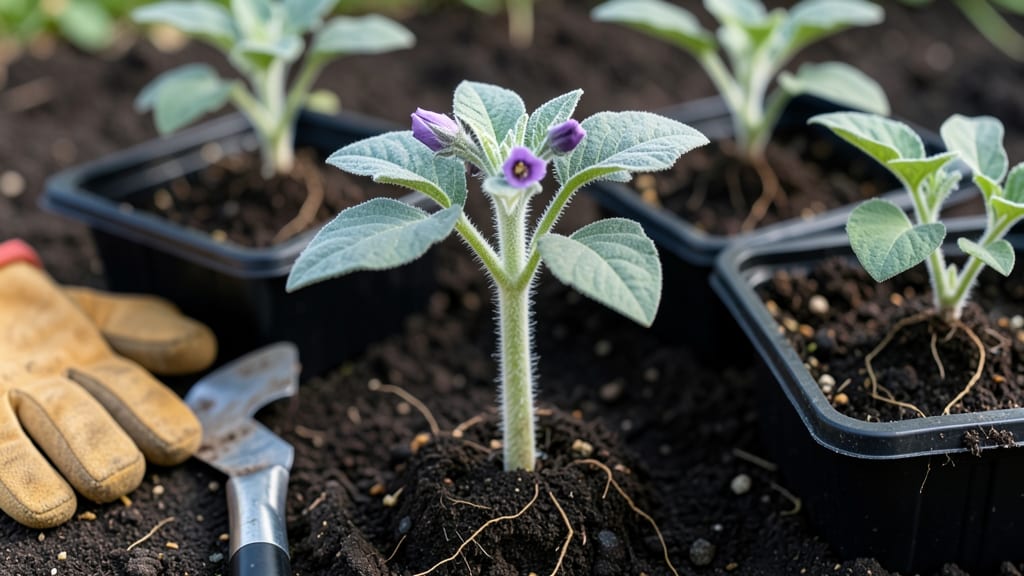
Timing your eggplant planting in North Carolina could mean the difference between a bountiful harvest and a sad, wilted 🍆. If you wait too long, summer’s heat will arrive before your plants mature, while planting too early risks frost damage—especially in zones like 7a-8b.
The sweet spot? Start after the last frost, but before June 15, when soil temperatures hit at least 70°F.
Eggplants are finicky about heat—too cool, and they’ll sulk; too hot, and they bolt. In NC’s varied climate, coastal areas can plant earlier, while mountain regions should wait until late May.
I’ve tested this myself, and the key is matching your seedling schedule to your microclimate. Whether you’re growing in containers or in-ground, these adjustments make all the difference.
You’ll also want to know which varieties thrive here—some mature faster, others handle humidity better. I’ll share my top picks for NC’s short season, plus tricks to stretch your growing window with mulch and shade cloth.
By the time July rolls around, you’ll be picking glossy, firm eggplants straight from your garden.
Ready to avoid the common mistakes? Let’s dive into the exact dates, soil prep, and care tips that’ll turn your NC garden into an eggplant powerhouse—no guesswork required.
NC eggplant planting calendar: best start dates by climate Zone
North Carolina’s three distinct climate zones—Coastal, Piedmont, and Mountains—each demand slightly different eggplant planting schedules. The key? Wait until soil temperatures hit at least 70°F and after the last frost date.
For Coastal NC (Zone 8a-8b), this typically means April 15–May 1, while Mountain regions (Zone 7a) should wait until May 15–June 1.
Eggplants are heat-loving annuals that hate cold soil. If you plant too early, your seedlings will rot in chilly, damp soil. Use a soil thermometer to confirm readiness—70°F+ is non-negotiable for germination and growth. In Piedmont (Zone 7b), aim for April 20–May 10 as a sweet spot.
For container gardeners, warm soil is even more critical. Black plastic mulch or heat mats can accelerate soil warming by 5–10°F. If you’re in a cooler microclimate, consider starting seeds indoors 8–10 weeks before your last frost date, then transplant hardened-off seedlings after May 15.
Here’s the exact planting timeline for NC’s zones, including transplanting tips for popular varieties like Black Beauty and Ichiban:
If you’re growing eggplants in containers, your window shrinks slightly. Containers cool faster and dry out quicker, so wait until May 10–June 1 in most zones. Use 5-gallon pots or larger and place them in south-facing spots to maximize warmth.
Varieties like ‘Fairy Tale’ or ‘Rosa Bianca’ are great for containers—they mature faster and fit compact spaces.
Pro tip: Monitor your local microclimate. Urban areas like Raleigh or Charlotte often warm up faster than rural spots, so check neighborhood frost maps or ask local gardeners. For example, Asheville’s higher elevation may need 2 weeks later than Charlotte. Always plant after Memorial Day if you’re unsure!
For late-season planting, you can try a second crop in July if your summer stays hot. Eggplants thrive in 85–95°F temps, so avoid planting after August 15—your harvest will suffer from shorter daylight and fall cooling.
Instead, focus on fast-maturing varieties like ‘Ichiban’ (58 days) for a quick turnaround.
One common mistake is rushing to plant too early because you’re eager for harvest. But cold soil + frost = dead seedlings. If you’re in Zone 7a (Mountains), wait until after May 15, even if your neighbors start earlier.
Patience pays off with healthier plants and bigger yields.
Finally, mark your calendar for harvest season, which typically runs from July to October in NC. With the right timing, you’ll enjoy homegrown eggplants for 3–4 months—perfect for grilling, roasting, or making homemade baba ganoush.
Just remember: the sooner you plant after last frost, the longer your harvest window.
NC eggplant planting calendar: best start dates by climate Zone
North Carolina’s three distinct climate zones—Coastal, Piedmont, and Mountains—each have unique last frost dates and soil warming patterns. Eggplants thrive when soil hits 70°F+, so timing your transplants after these milestones is critical. Coastal areas can start earlier, while mountain regions must wait until late May or June.
For Coastal NC (Zone 8a-8b), aim to transplant eggplant seedlings between April 15–May 15. The last frost typically occurs by March 15, but soil may still be chilly.
Use black plastic mulch to accelerate warming. In the Piedmont (Zone 7a-7b), wait until May 1–June 1—soil often lags behind coastal areas by 2–3 weeks.
The Mountains (Zone 6b-7a) present the biggest challenge, with last frosts as late as May 15. Transplant eggplants after June 1 only if you’ve hardened off seedlings and used row covers. Varieties like ‘Ichiban’ (60-day maturity) are ideal for short seasons here.
| Zone | Last Frost | Planting Window | Soil Temp Goal | Notes |
|---|---|---|---|---|
| Coastal (8a-8b) | March 15 | April 15–May 15 | 70°F+ | Use mulch for faster warming |
| Piedmont (7a-7b) | April 1 | May 1–June 1 | 70°F+ | Wait for consistent warmth |
| Mountains (6b-7a) | May 15 | June 1–July 1 | 70°F+ | Choose fast varieties |
If you’re starting eggplant seeds indoors, begin 8–10 weeks before your zone’s transplant date. Use grow lights to prevent leggy seedlings, and harden off plants for 7–10 days before moving them outdoors.
For container growing, select compact varieties like ‘Fairy Tale’ and ensure pots are 12"+ deep with drainage.
Pro tip: Monitor soil temperature with a thermometer—eggplants won’t thrive until it consistently hits 70°F. Coastal gardeners can push the envelope with early May plantings, but mountain growers should err on the side of caution and delay until mid-June if needed.
Once planted, mulch heavily to retain moisture and suppress weeds. Eggplants are heat-lovers, so avoid planting until nighttime temperatures stay above 55°F. With the right timing, you’ll enjoy harvests from July through October—just in time for grilling season! 🌱