
Planting
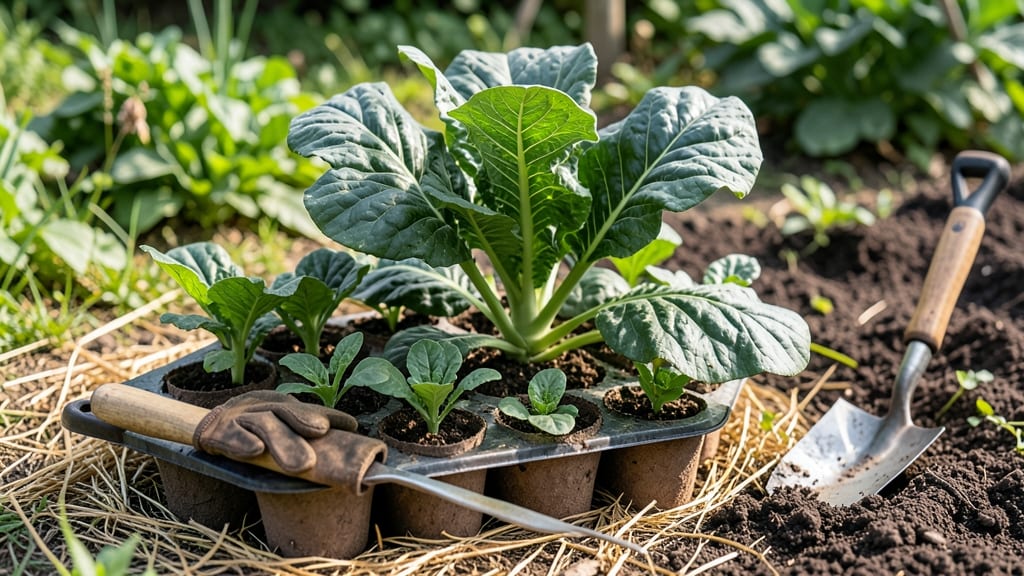
Timing your fall garden in Louisiana can feel like walking a tightrope—plant too soon, and you’ll wrestle with summer’s lingering heat; too late, and frost steals your harvest before it even starts.
But with the right strategy, you can turn Louisiana’s humid subtropical climate into your secret weapon for a bountiful fall harvest.
Here’s the game-changer: most gardeners in zones 8a-9b should start sowing 🥬 fall garden vegetables as early as August, but the exact window depends on the crop. Heat-tolerant greens like collards and kale thrive when planted in late summer, while root veggies need cooler soil to avoid bolting.
I’ll break down the precise start dates for your top picks—plus how to stretch your harvest past the first frost.
Why does this matter? Because Louisiana’s 240 frost-free days mean you’ve got a longer growing season than most places—but only if you play by the rules.
Skip the guesswork and learn how to align your planting with the region’s unique microclimates, from New Orleans’ coastal breezes to Shreveport’s inland heat pockets.
Ready to grow a fall garden that outlasts the competition? Let’s dive into the exact steps to plant, nurture, and protect your crops—so you’re harvesting crisp greens and sweet roots while others are still dreaming of spring.
Louisiana’s fall planting calendar: heat-tolerant crops and their exact start dates
Timing your fall garden in Louisiana isn’t just about avoiding frost—it’s about beating the heat while giving plants enough time to mature. The first frost typically arrives around December 1 in most regions, but soil temperatures and humidity play bigger roles.
Start too early, and your okra or sweet potatoes will bolt in the heat; too late, and your kale won’t reach harvest size before cold snaps. Here’s your month-by-month breakdown for Louisiana’s USDA Zones 8a-9b.
For North Louisiana (Zone 8a), where frosts arrive slightly earlier, prioritize fast-maturing crops like bush beans and radishes in August. In South Louisiana (Zone 9b), you’ve got more flexibility—collards and turnips can handle cooler temps longer.
Always check your local frost-free dates (aim to plant 6-8 weeks before the average first frost) and monitor soil thermometers—ideal temps for fall crops hover around 60-75°F.
🌱
| Crop | Planting Window | Days to Harvest | Sun Needs | Soil Temp (°F) |
|---|---|---|---|---|
| Okra | Late July - Early August | 50-65 | Full sun | 70-90°F |
| Sweet Potatoes | Mid-July - Late August | 90-120 | Full sun | 80-90°F |
| Collards | Mid-August - Early September | 50-70 | Full sun | 60-75°F |
| Kale | Late August - Mid-September | 45-60 | Full sun/part shade | 55-70°F |
| Turnips | Early September - Late September | 30-50 | Full sun | 50-65°F |
| Bush Beans | Late July - Early September | 45-60 | Full sun | 65-80°F |
🌡️ Pro Tip: Use a soil thermometer to confirm temps before planting—cool soils delay germination.
August is your golden window for heat-loving crops like okra and sweet potatoes. These plants thrive in 90°F+ soil and need 6-8 weeks to mature before cooler temps set in.
If you’re in Zone 8a, prioritize fast growers like radishes (25 days) or bush beans (45 days) to avoid early frost. For South Louisiana, you can push the envelope with late-August plantings of collards or mustard greens, which tolerate light frosts.
By September, shift focus to cool-season crops like kale, spinach, and broccoli. These plants love cooler temps (55-70°F) and can handle light frosts after hardening off. In North Louisiana, aim to plant by mid-September to ensure harvests before December’s first frost. Use row
How to extend your fall garden’s growing season in Louisiana’s humid climate
Louisiana’s humid summers don’t have to end your gardening season early. With the right season-extending techniques, you can keep your garden thriving well into November and December. The key is balancing heat protection with moisture control—two major challenges in our subtropical climate.
Let’s explore proven methods to push your harvests later without risking plant stress or disease.
First, focus on shade solutions like lightweight shade cloth (30-50% coverage). This blocks intense afternoon sun while still allowing essential light penetration. For delicate greens like lettuce or spinach, even partial shade from nearby trees can buy you an extra 2-3 weeks of growth.
I’ve seen Swiss chard and kale thrive under 40% shade cloth during September’s heat spikes—just remove it by mid-October when temps drop.
🌱 Extending Your Fall Garden: Mulching & Shade Comparison
| Method | Benefits | Drawbacks | Best For |
|---|---|---|---|
| Shade Cloth (30-50%) | Reduces soil temp by 10-15°F, prevents bolting | Limits light; requires removal in fall | Leafy greens, herbs |
| Straw Mulch (3-4") | Retains moisture, suppresses weeds, moderates temps | Can harbor pests if too thick | Root crops, tomatoes |
| Row Covers (Frost Blankets) | Protects from light frosts (28-32°F) | Reduces airflow; may need stakes | Broccoli, cabbage, peppers |
| Black Plastic Mulch | Warms soil 5-10°F faster in spring | Retains too much heat for fall use | Early spring planting |
*Pro Tip: Combine shade cloth + mulch for maximum heat protection in September.
Next, prioritize organic mulches like straw or pine straw to regulate soil temperature and moisture. In my Zone 8b garden, a 3-inch layer of straw under tomato plants kept soil temps 5°F cooler during September’s 95°F days.
For heat-loving crops like okra or sweet potatoes, mulch with black plastic in early August to speed up germination, then switch to straw by late summer.
Don’t overlook companion planting—it’s a free way to deter pests and improve growth. Pair basil with tomatoes to repel hornworms, or plant marigolds around your greens to confuse aphids.
I’ve extended my kale harvests by 4 weeks by interplanting with radishes, which act as a trap crop for flea beetles. Just avoid planting onions near peas—their strong scent inhibits growth.
Finally, time your row covers strategically. Lightweight frost blankets can protect tender crops like peppers and eggplants down to 28°F. In North Louisiana (Zone 8a), I use them starting mid-October when nights dip below 50°F.
For South Louisiana (Zone 9a)**, wait until late November—our later frosts give you more leeway. Secure covers with bricks or stakes to prevent wind damage, and remove them during the day for pollination.
With these humidity-friendly strategies, you can enjoy fresh greens, herbs, and root vegetables well into December. Start testing methods in early August to fine-tune what works best for your microclimate. The payoff? A longer harvest window and healthier plants that thrive despite Louisiana’s challenges.