
Plants
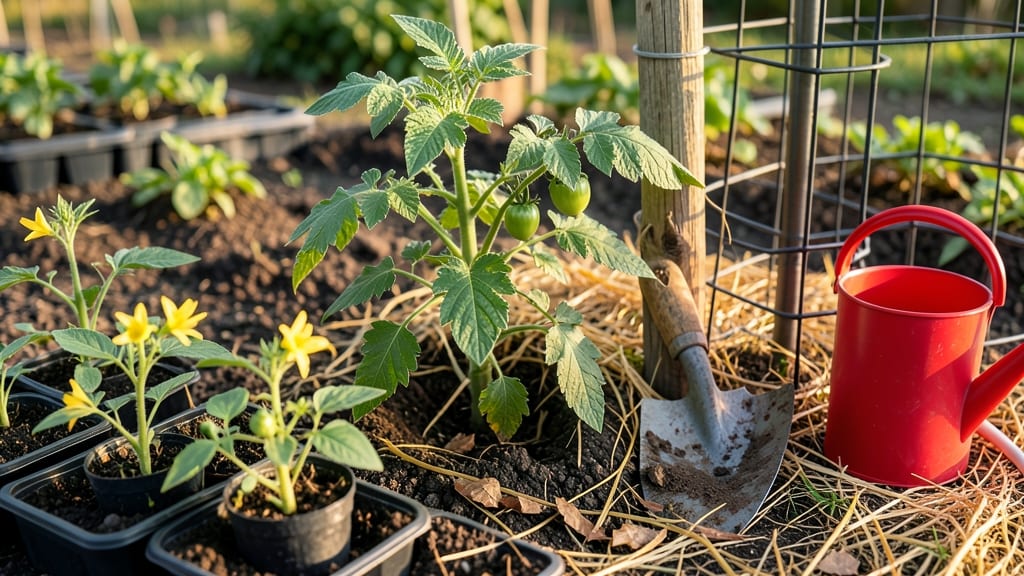
Planting fall tomatoes in Houston isn't just about tossing seeds in the dirt—it's about beating the heat while maximizing your harvest before frost. The exact window between late July and early September makes all the difference, ensuring your 🍅 thrive instead of wilting under summer's last gasp.
Most gardeners miss the mark by planting too early, risking heat stress that stunts growth or kills seedlings before they even take root. Houston's 9a climate demands precision, and skipping these critical weeks means smaller yields—or no tomatoes at all.
But with the right timing and varieties, you can enjoy a bountiful harvest from October through December.
I'll walk you through the best weeks to plant, which heat-tolerant varieties perform best in Houston's humidity, and how to prep your soil for success.
Whether you're a seasoned gardener or a first-timer, these tips will help you avoid common pitfalls and grow tomatoes that taste like summer—even in the fall.
Ready to transform your garden? Let's dive into the game-changer strategies that separate thriving plants from sad, wilted failures. Your perfect fall harvest starts with the right timing—and I've got you covered.
Houston’s fall tomato planting calendar: exact weeks to avoid heat stress
Houston’s fall tomato planting success hinges on timing—plant too early, and your seedlings will wilt from heat stress; too late, and frost cuts your harvest short.
The ideal window spans late July through early September, but exact dates depend on your microclimate (coastal areas stay warmer longer than inland zones). Here’s the precise schedule to follow.
For direct sowing (seeds in the ground), aim for mid-August to early September. This gives seedlings 6-8 weeks to mature before Houston’s average first frost (December 15).
If you’re transplanting (starting seeds indoors), begin 6-8 weeks before your target outdoor date—so late June to early August for fall harvests.
🌱 Pro Tip: Use a soil thermometer—tomato seeds need soil temps above 60°F (15°C) to germinate. Houston’s late-summer soil often hits 90°F+ (32°C+), which can kill seeds before they sprout. Wait until afternoon temps drop below 85°F (29°C) for safer planting.
Houston’s USDA Zone 9a extends the growing season, but hurricane season (June-November) adds risk. Plant after September 1 to avoid storm damage, but before October 15 to ensure fruit ripens before cold snaps. Coastal areas (like Galveston) can plant 2 weeks later than inland zones (e.g., Katy or Conroe).
| Task | Houston Inland (e.g., Katy) | Houston Coastal (e.g., Galveston) |
|---|---|---|
| Start seeds indoors | Late June – Early August | Early July – Mid-August |
| Direct sow outdoors | Mid-August – Early September | Late August – Mid-September |
| Transplant seedlings | Late July – Early September | Early August – Late September |
| Last safe planting date | September 15 | October 1 |
| Expected harvest window | October – December | November – January |
Soil preparation is just as critical as timing. Houston’s clay-heavy soil drains poorly, leading to root rot. Two weeks before planting, amend with 2-3 inches of compost and raise beds 6-12 inches if your soil stays soggy. Test your soil’s pH (6.2–6.8 is ideal)—Houston’s alkaline soil often needs sulfur or peat moss to acidify it.
Mulch immediately after planting with straw or shredded leaves to retain moisture and keep soil temps stable. Without mulch, Houston’s afternoon heat can cause blossom drop (flowers fall off before fruiting). Aim for a 3-inch mulch layer—thicker layers can suffocate roots, while thinner layers won’t insulate enough.
Watch for hurricane warnings after early September. If a storm hits, cover plants with frost blankets to protect them from wind and waterlogged soil. After the storm, prune damaged branches and fertilize lightly to help recovery. Delay planting if heavy rains are forecast—waterlogged soil stalls germination.
Heat-tolerant varieties like ‘Heatmaster’ or ‘Solar Fire’ handle Houston’s late-summer heat better than standard types. These determinate varieties (bush-type) also ripen faster, giving you a harvest before frost. For indeterminate varieties (vining types like ‘Better Boy’), plant closer to September 1 to ensure they mature before cold snaps.
🌡️ Key Temp Check: Monitor nighttime temps—tomatoes need temperatures above 55°F (13°C) to set fruit. If nights dip below this, use row covers or move containers indoors temporarily. Houston’s October lows often hit this threshold, so plan accordingly.
5 Critical factors that determine your Houston fall tomato success (or failure)
Houston’s humid heat and unpredictable weather can make or break your fall tomato harvest. While timing matters, these 5 critical factors will decide whether your plants thrive or struggle. I’ve seen gardeners plant at the perfect time only to lose everything because they missed one of these key details.
First, soil temperature is non-negotiable—tomato seeds need soil that’s at least 70°F (21°C) to germinate properly. Houston’s late summer soil can hit 90°F+ (32°C+), which kills seeds before they sprout. A soil thermometer is your best friend here; I always test mine in the afternoon when soil is warmest.
Second, afternoon shade is your secret weapon against heat stress. Even heat-tolerant varieties like ‘Heatmaster’ will bolt (flower prematurely) if exposed to direct sun after 2 PM. Use lightweight shade cloth (30-50%) or plant near taller crops like corn or sunflowers to break the intensity.
Soil Temperature
Minimum: 70°F (21°C) for seeds
Maximum: 90°F+ (32°C+) risks seed death
Action: Test daily with a thermometer; water soil to cool if above 85°F (29°C)
Afternoon Shade
Critical Window: 2 PM - 6 PM
Solution: 30-50% shade cloth or tall companion plants
Why? Prevents bolting and leaf scorch
Mulching Depth
Type: Straw or wood chips (3-4 inches)
Purpose: Retains moisture, cools roots
Pro Tip: Refresh mulch every 2 weeks to maintain thickness
Heat Stress Symptoms
Leaf Issues: Yellowing edges, wilting by noon
Fruit Problems: Blossom drop, sunburned spots
Fix: Move plants to shade immediately; increase watering frequency
Post-Hurricane Care
Risk: Houston’s late-season storms can uproot seedlings
Prep: Stake plants early; use windbreaks
Recovery: Prune damaged leaves; monitor for fungal growth
Third, mulching depth directly impacts root health. I’ve found that a 3-4 inch layer of straw or wood chips keeps roots cool and retains moisture—critical in Houston’s 90% humidity. Refresh your mulch every 2 weeks to prevent compaction, which can suffocate roots.
Fourth, knowing heat stress symptoms saves countless plants. Watch for yellowing leaf edges or wilting by noon—these are early warnings. I once lost a batch of ‘Solar Fire’ tomatoes because I ignored the blossom drop sign until it was too late.
Move plants to shade immediately and increase watering to every 2 days during heatwaves.
Finally, Houston’s hurricane season doesn’t end until November. Late-season storms can uproot seedlings or flood your garden. Stake plants early and use windbreaks (like bamboo fencing) to protect young stems. After a storm, prune any damaged leaves and monitor for fungal growth—Houston’s humidity turns wounds into infection sites fast.
Master these factors, and your fall tomatoes will reward you with sweet, juicy fruit—even when Houston’s weather tries to sabotage you. 🌱