
Plants
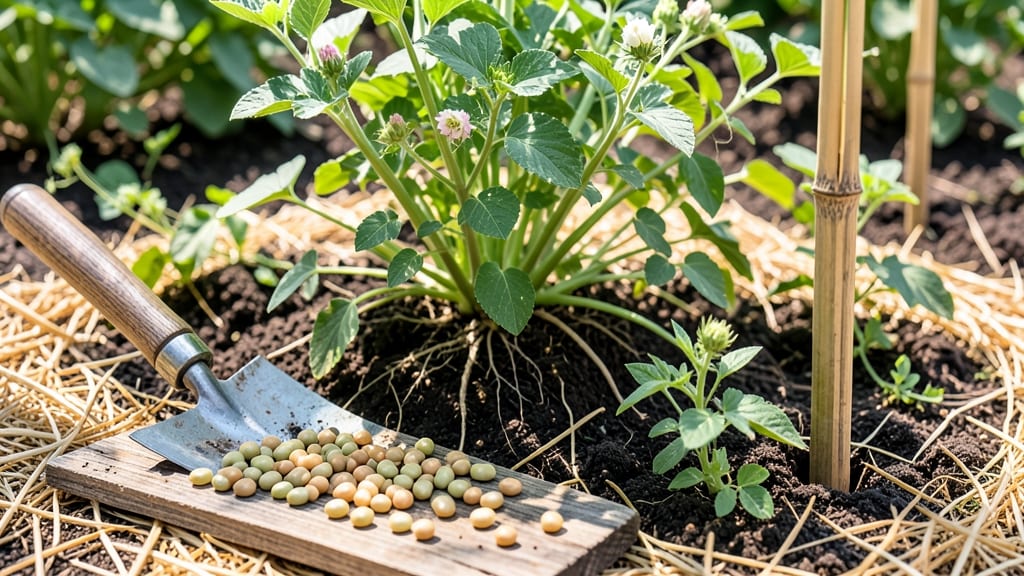
Timing your fava bean planting in Zone 8 could mean the difference between a bountiful harvest and a bitter disappointment. These cool-season legumes thrive when planted just right, but get it wrong, and you’ll end up with tough, bolted stalks instead of tender pods.
The key? Knowing whether to plant in fall or spring—and exactly when.
Fall is your best bet for most Zone 8 gardeners, with the ideal window stretching from September to October. This timing lets the plants establish roots before winter, then burst into growth as temperatures dip in spring.
But don’t overlook early spring as an option—planting in February or March can also yield delicious results if you act quickly.
Why does timing matter so much? Fava beans are sensitive to heat, and planting too late in spring risks bolting—when they go straight to flower without producing pods.
Coastal areas in Zone 8 may have slightly different cues than inland spots, so we’ll break down how to adjust for your specific microclimate.
Ready to grow fava beans that actually produce? I’ll walk you through the exact planting schedule, soil prep, and variety choices to ensure your 🌱 fava beans stay sweet and productive all season long. Let’s get started.
Optimal Zone 8 planting windows for fava beans (spring vs fall)
In Zone 8, timing is everything when planting fava beans—get it wrong, and you’ll end up with bitter pods instead of sweet harvests. The key is planting when soil temperatures stay below 70°F to prevent bolting (premature flowering).
For most of Zone 8, this means focusing on fall or early spring plantings, with coastal areas offering slightly longer windows than inland regions.
Fall plantings are my top recommendation because cooler temperatures naturally delay bolting. Aim to sow seeds 4–6 weeks before your first frost—typically between mid-September and early October in most of Zone 8.
This gives plants enough time to establish roots before winter slows growth, ensuring a winter harvest starting in December.
For spring plantings, act fast! Seeds should hit the soil 4–6 weeks before last frost (usually late February to early March in Zone 8). Planting too late risks summer heat triggering bolting before pods mature.
Inland areas may need to start 2 weeks earlier than coastal zones, where milder winters extend the window.
Here’s the critical rule: Avoid planting fava beans when daytime highs exceed 75°F for more than a week. In Zone 8, this means no summer plantings—even partial shade won’t fully protect them.
The heat accelerates the plant’s life cycle, turning sweet pods into tough, fibrous stalks before you can harvest.
Pro tip: Use a soil thermometer to confirm temperatures before planting. Fava beans thrive when soil is between 50–65°F. If your zone’s fall cools quickly, opt for cold-hardy varieties like ‘Himalaya’ or ‘Windham’s 27’ to extend your harvest into early spring.
These varieties tolerate light frosts, giving you pods even when temperatures dip below freezing.
For coastal Zone 8 gardeners, you’re lucky—milder winters mean you can push fall plantings later. Try sowing seeds as late as early November if your area rarely drops below 30°F.
Inland gardeners should stick to the September–October window to avoid winterkill. Always mulch heavily with straw or leaves to insulate roots during cold snaps.
One common mistake? Planting too shallowly. Fava beans need 1–2 inches of soil coverage to germinate properly. If seeds are too close to the surface, they’ll dry out or sprout unevenly.
After sowing, water gently but thoroughly to settle the soil around them. A light row cover can also help retain moisture during dry spells in fall.
Remember: The goal is cool-season growth. In Zone 8, that means leveraging the 4–6 weeks before frost window to give plants time to mature without rushing into bolting. With the right timing, you’ll enjoy tender, sweet pods for months—no bitter surprises here!
🌱
Optimal Zone 8 planting windows for fava beans (spring vs fall)
Fava beans thrive in Zone 8’s cooler months, but timing is everything to avoid premature bolting. Inland areas like Phoenix or Las Vegas have hotter microclimates, while coastal regions like San Diego enjoy milder winters. Let’s break down the best planting windows for maximum yield and tender pods.
For fall plantings, aim for September to early October—this gives plants time to establish roots before winter. Spring plantings should occur February to March, before soil temperatures rise above 75°F. Both windows avoid summer’s bolting trigger—heat stress that turns sweet pods into bitter flowers.
🌱
| Season | Ideal Planting Window | Soil Temp | Harvest Window | Bolting Risk |
|---|---|---|---|---|
| Fall | September–October | 50–65°F | December–April | Low (cool nights) |
| Spring | February–March | 55–70°F | June–August | Moderate (heat stress) |
*Inland areas: Plant 2 weeks earlier; coastal areas: Plant 2 weeks later.
In Zone 8’s inland regions, where summer heat lingers, fall planting is non-negotiable for sweet pods. Start seeds indoors in late August and transplant by mid-September to beat the heat. Coastal gardeners can push fall plantings to early November thanks to milder winters.
For spring plantings, prioritize early February to avoid bolting. Use shade cloth (30–50%) if daytime temps exceed 75°F. Monitor soil moisture—drought stress accelerates flowering. A mulch layer (2–3 inches) keeps roots cool and retains moisture.
Pro tip: Test soil temps with a thermometer before planting. Fava beans won’t germinate below 40°F or above 80°F. Aim for 50–65°F for optimal sprouting. In Zone 8’s inland heat, this means evening plantings (after 6 PM) reduce seed stress.
🌿