
Plants
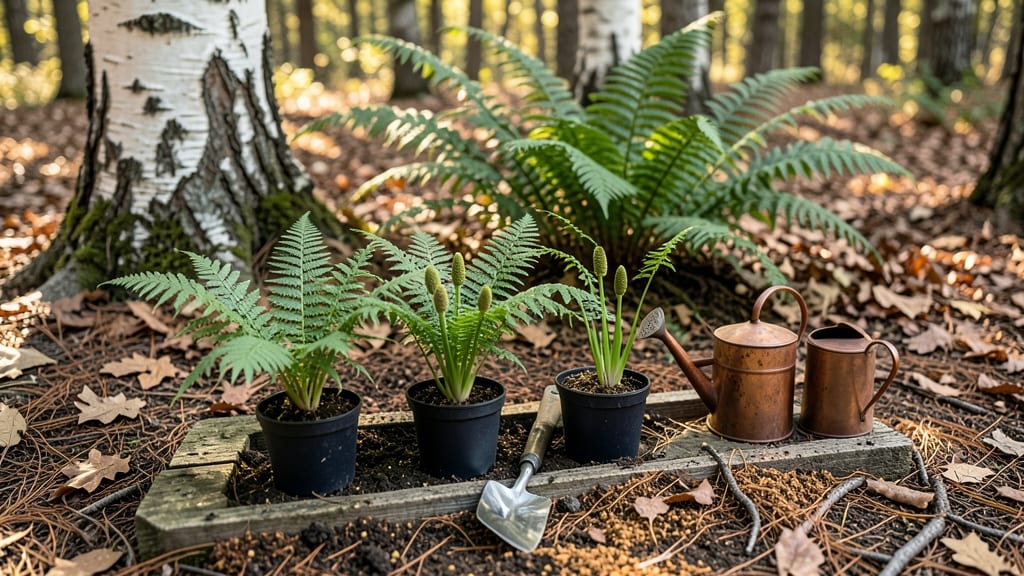
Planting ferns in Michigan at the wrong time can turn your lush green dreams into wilted disappointment—especially when spring frost lingers longer than expected.
The key to thriving 🌿 ferns lies in timing them perfectly with Michigan’s 5b-6b climate, where a 2-week window difference can mean the difference between healthy growth and struggling fronds.
Most gardeners assume spring is the only option, but Michigan’s early fall actually offers a more reliable planting window—just before the first frost hits in October. This gives your ferns time to establish roots before winter sets in, setting them up for vibrant growth next season.
I’ll walk you through the exact months to plant based on your region—whether you’re in the Upper Peninsula or southern Michigan—and share pro tips for soil prep that keeps moisture where ferns love it most. Ready to transform your shady spots into a verdant oasis? Let’s get started.
From choosing the right native varieties to adjusting for microclimates, this guide ensures your ferns don’t just survive—they thrive in Michigan’s unpredictable growing season. No more guessing games, just lush, year-round greenery.
Best months to plant ferns in Michigan: climate-based timeline
Michigan’s USDA Zones 5b-6b mean ferns need precise timing to thrive—plant too early, and frost will damage tender roots; too late, and they won’t establish before winter. The ideal window is late spring (May-June) or early fall (September-October), when soil temperatures hover between 50°F and 70°F.
Northern Michigan’s cooler climate shifts this slightly earlier, while southern regions offer a 2-week extension for fall planting.
For spring planting, wait until after the last frost date—typically mid-April to early May in most areas. Use soil thermometers to confirm ground temps are consistently above 50°F at 4-inch depth.
Southern Michigan’s Zone 6b regions can start as early as late April, while the Upper Peninsula’s Zone 5b may need to wait until early June.
Fall planting offers cooler, moister soil that ferns adore. Aim for 6-8 weeks before first frost (usually mid-September to early October), giving roots time to establish before winter dormancy. Northern Michigan’s shorter season means you’ll want to plant by late August for best results.
Here’s how Michigan’s regional microclimates affect timing:
| Region | USDA Zone | Spring Planting Window | Fall Planting Window | Key Consideration |
|---|---|---|---|---|
| Southern Michigan (Detroit, Ann Arbor) | 6a-6b | Late April–May 15 | September 15–October 10 | Longer frost-free season; watch for summer drought |
| Central Michigan (Lansing, Grand Rapids) | 5b-6a | May 1–May 20 | September 1–September 25 | Moderate climate; prioritize moisture retention |
| Northern Michigan (Traverse City, UP) | 4b-5b | May 15–June 1 | August 15–September 10 | Short season; use cold-hardy varieties like Ostrich Fern |
Soil preparation is just as critical as timing. Ferns thrive in humus-rich, slightly acidic soil (pH 5.0–6.5). Before planting, amend your soil with 2–3 inches of compost or peat moss to retain moisture.
In Michigan’s clay-heavy soils, mix in sand or perlite to improve drainage while keeping roots cool.
For container planting, use well-draining pots with moisture-retentive mixes like 60% peat moss, 20% perlite, and 20% compost. This mimics Michigan’s woodland understory conditions where ferns naturally grow. Elevate containers slightly to prevent waterlogging during Michigan’s heavy spring rains.
Pro tip: Mulch heavily with 3–4 inches of shredded bark or pine needles to suppress weeds, retain moisture, and protect roots from Michigan’s temperature swings. Replenish mulch annually in early spring to maintain its insulating properties.
If you miss the ideal windows, don’t despair! Transplanting young ferns in late summer (July-August) can still work, though they’ll need extra care to establish before winter. Just ensure the soil stays consistently moist and avoid planting when daytime temps exceed 85°F.
🌿
How to choose the perfect planting time for your Michigan fern variety
Michigan’s diverse fern varieties each have unique preferences for temperature, moisture, and light exposure. Choosing the wrong timing can mean the difference between vibrant fronds and struggling plants.
Let’s break down the best planting windows for Michigan’s most popular ferns, including Ostrich Ferns, Maidenhair Ferns, and Christmas Ferns.
For Ostrich Ferns, which thrive in USDA Zones 3-8, aim for early spring planting after the last frost (typically mid-April to early May). These hardy ferns tolerate cooler temperatures and can even handle light frosts once established.
If you prefer fall planting, opt for late August to early September to give them time to root before winter.
Maidenhair Ferns, on the other hand, are more delicate and prefer warmer soil temperatures. Plant these in late spring (May to early June) once the soil has warmed to at least 55°F. They’re not as cold-hardy, so avoid fall planting unless you’re in southern Michigan, where winters are milder.
Christmas Ferns are a great choice for northern Michigan gardeners due to their cold tolerance. Plant them in early spring (April) or early fall (September). Their evergreen fronds stay attractive year-round, making them a low-maintenance option for shady spots.
🌿 Pro Tip: Always check the last frost date for your specific Michigan region. The Upper Peninsula typically has a later last frost (early June) compared to southern Michigan (mid-April). Use local weather forecasts or the Michigan State University Extension frost maps for precise timing.
🌱 Fern Planting Decision Flowchart
- 1. Choose Your Fern Type: Ostrich, Maidenhair, or Christmas
- 2. Check Your Zone: Northern (Zone 5) vs. Southern (Zone 6)
- 3. Spring Planting? After last frost (April-May)
- 4. Fall Planting? Before first frost (August-September)
- 5. Soil Ready? Warm (55°F+) for Maidenhair, cooler for others
- 6. Plant & Mulch! Keep soil moist for 2 weeks
If you’re unsure which fern suits your garden, consider Maidenhair Ferns for containers (they love humidity) or Ostrich Ferns for woodland gardens. Christmas Ferns are ideal for dry shade areas. Each variety’s unique needs will guide your planting schedule—so pick wisely!
For container-grown ferns, you can extend your planting window by 2-3 weeks earlier in spring or 1-2 weeks later in fall. Containers warm up faster in spring and can be moved indoors before frost. Just ensure they’re in a shady spot to prevent leaf scorch.