
Plants
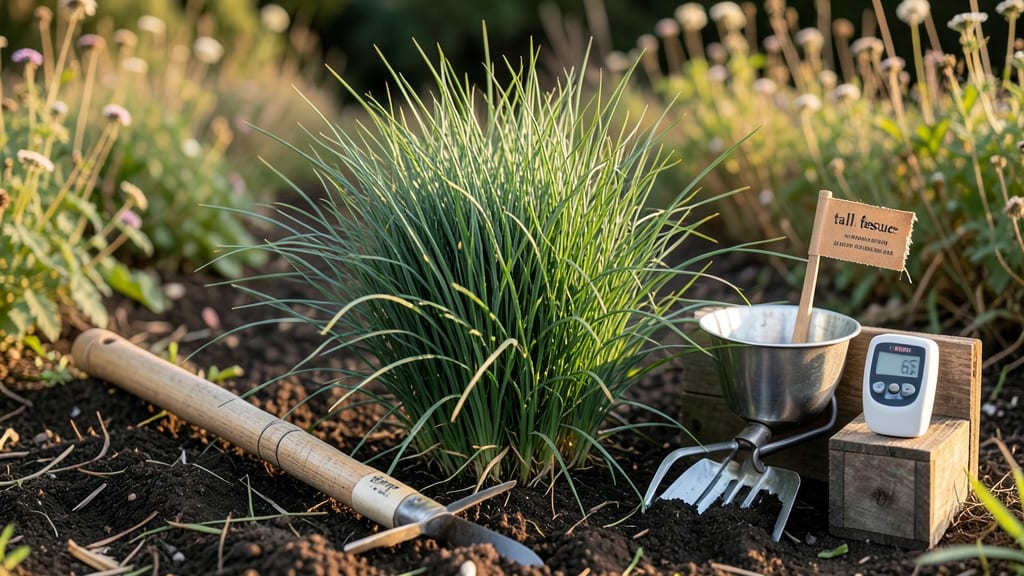
Planting fescue seed in Atlanta at the wrong time can mean shallow roots, weak growth, and wasted seed—so timing is everything for a lush, drought-resistant lawn.
If you’ve ever stared at your patchy grass wondering why it never quite thrives, the answer might be as simple as when you planted it. Atlanta’s 7b-8a climate demands precision: too early, and the heat zaps your seedlings; too late, and winter freezes stunt their growth.
Here’s the secret: the ideal window is late summer to early fall—specifically, July through October—when soil stays warm enough to encourage deep root establishment before the first frost hits around mid-November.
But Atlanta’s urban heat islands and microclimates can shift those dates, so knowing the exact weeks before your last frost is critical.
In this guide, I’ll break down the exact planting schedule tailored to Atlanta’s conditions, including soil prep tips to ensure your fescue takes hold.
Whether you’re seeding a new lawn or overseeding an existing one, these insights will help you avoid common pitfalls and get that deep, resilient grass you’ve been dreaming of.
Let’s dive into the science—and the simple steps—so you can plant with confidence and watch your lawn transform from patchy to picture-perfect.
Atlanta’s exact fescue planting window: weeks before last frost for optimal root growth
Atlanta’s USDA Zone 7b-8a climate creates unique challenges for fescue seed germination. The key to success lies in planting 4-6 weeks before the first frost—typically between late August and mid-October—when soil temperatures stay between 60-75°F for consistent moisture without heat stress.
This window ensures deep root establishment before winter dormancy sets in.
Fescue thrives in Atlanta’s cool-season growth pattern, but the city’s humidity and summer heat make timing critical. Planting too early in June or July risks seed drying out, while waiting until November may leave seedlings vulnerable to early frosts. The ideal window balances these factors for maximum success.
Atlanta’s microclimates also play a role. Urban areas with concrete surfaces stay warmer than rural zones, potentially extending the planting window by 2-3 weeks. Always check your specific area’s last frost date—typically around November 15—and adjust accordingly.
Here’s the exact planting schedule tailored to Atlanta’s conditions, including soil temperature thresholds and root growth expectations:
| Planting Stage | Atlanta Timeline | Soil Temp (°F) | Root Growth |
|---|---|---|---|
| Late Summer Prep | July 15–August 15 | 75–85°F | Soil aeration, compost addition |
| Primary Planting | August 20–September 30 | 60–75°F | 1–2 inches deep in 4 weeks |
| Secondary Window | October 1–November 1 | 50–65°F | Slower growth, frost-resistant |
| Avoid Planting | June–July | Above 85°F | Seed desiccation risk |
For urban Atlanta yards, consider planting 2 weeks earlier (late July) due to heat island effect. Test soil moisture daily—fescue needs 1 inch of water weekly during establishment. Use a soil thermometer to confirm temperatures before seeding.
Atlanta’s fall rains (September–October) provide natural irrigation, but supplement with morning watering if drought occurs. The first 30 days are critical for root development; avoid foot traffic until the grass reaches 3 inches tall.
If you miss the fall window, early spring planting (March) is possible but riskier due to spring heat spikes. Always acclimate seedlings gradually to full sun to prevent shock. For best results, stick to the fall timeline—it’s when Atlanta’s climate aligns perfectly with fescue’s needs.
Pro tip: Pre-soak seeds for 24 hours before planting to combat Atlanta’s dry summer winds. This boosts germination rates by 30% in local conditions. Pair with a starter fertilizer (10-10-10) for faster root growth.
Remember: Deep roots = drought resistance. Atlanta’s summers are brutal—planting at the right time ensures your fescue survives the heat with strong, established roots ready for winter. 🌱
Atlanta’s exact fescue planting window: weeks before last frost for optimal root growth
Atlanta’s 7b-8a climate creates a narrow but critical window for planting fescue seed—one that balances warm soil temperatures with cooling air to encourage deep root growth.
The ideal planting window spans from late July through October, with peak success occurring when you plant 4-6 weeks before the first frost (typically mid-November). This timing ensures your fescue establishes strong roots before winter dormancy sets in.
For most of Atlanta, this translates to planting between September 1st and October 15th—a period when daytime highs remain warm enough (above 70°F) to activate seed germination while nighttime lows begin to drop, signaling the grass to focus on root development.
If you’re in a rural area with cooler microclimates, you might shift slightly earlier (late August), while urban heat islands may allow a later push into early November.
One of the biggest mistakes I see is planting too early in June or early July when Atlanta’s heat can cause seeds to dry out before germination. The soil may feel warm, but the intense sunlight and low humidity create a hostile environment for young seedlings.
Instead, aim for late July or early August for a "false start" prep—this lets you test soil conditions and adjust pH before the optimal window opens.
Atlanta’s urban vs. rural microclimates also play a role. In densely built-up areas like Midtown or Buckhead, the pavement retains heat longer, potentially extending your planting window by 1–2 weeks.
Conversely, suburban or rural zones with more green space cool down faster, so you’ll want to plant closer to September 1st to avoid early frost risks.
To maximize success, pair your planting date with soil temperature checks. Use a soil thermometer to confirm temperatures are consistently above 60°F at a depth of 2 inches—this is your green light for seeding.
If temperatures dip below 55°F, germination slows dramatically, and your fescue may struggle to establish before winter.
Pro tip: If you miss the fall window, you can attempt a spring planting in March, but results are often 50% less successful due to faster soil warming and shorter daylight.
For best results, mark your calendar for September 15th—this is the sweet spot for Atlanta’s fescue planting schedule.