
Flowers
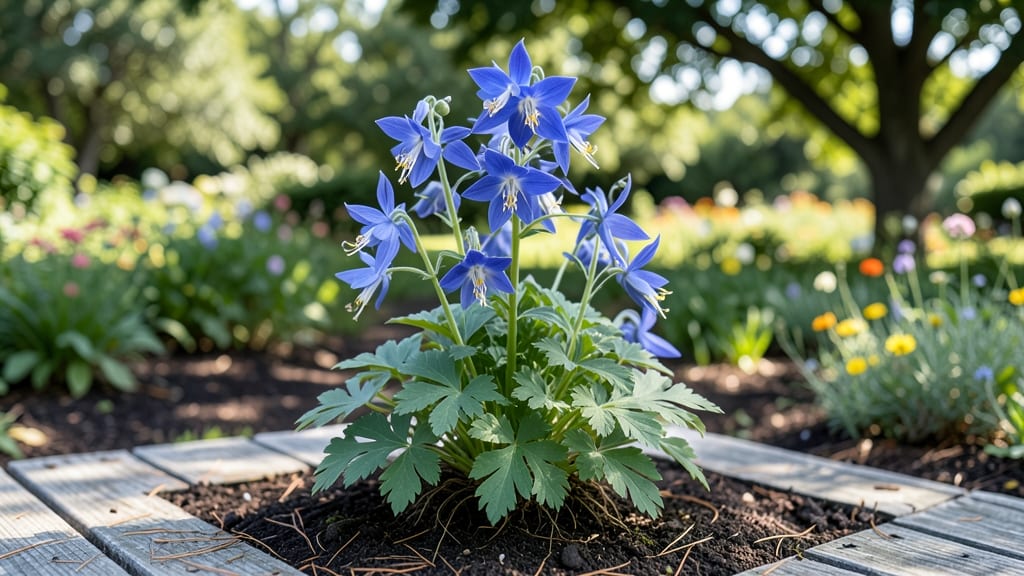
Colorado’s frost-free planting zones: exact weeks to start flower seeds indoors vs. outdoors
Colorado’s USDA Hardiness Zones 4-7 create a gardening puzzle—where Denver’s Zone 6a and Colorado Springs’ Zone 5b clash with Grand Junction’s Zone 7a. These differences mean your last frost dates can vary by 6 weeks, forcing precise timing for flower seed planting.
Get it wrong, and your cosmos or snapdragons might bolt before blooming—or worse, freeze overnight.
To avoid gardening heartbreak, I’ve mapped out indoor start dates (4-8 weeks before last frost) and outdoor planting windows for Colorado’s top regions. Pro tip: High-altitude gardens (above 7,000 ft) like Boulder need 2-4 extra weeks of indoor starts compared to lower elevations.
Always check local frost data from Colorado State University Extension for your exact microclimate.
Here’s your region-specific planting roadmap, including soil temperature thresholds (most seeds need 50°F+ to germinate) and microclimate adjustments like urban heat islands or mountain valleys.
| Region | USDA Zone | Avg. Last Frost | Indoor Start (Weeks Before) | Outdoor Planting Window | Soil Temp Threshold |
|---|---|---|---|---|---|
| Denver Metro | 6a | April 15 | March 1–15 (4–6 wks) | May 1–June 15 | 50°F+ |
| Colorado Springs | 5b | May 1 | March 15–April 1 (6–8 wks) | May 15–June 10 | 55°F+ |
| Fort Collins | 5a | May 5 | March 1–15 (7–8 wks) | May 20–June 5 | 50°F+ |
| Grand Junction | 7a | March 15 | February 15 (4 wks) | March 20–April 30 | 45°F+ |
| Aspen/Pitkin County | 5a | June 1 | April 15 (6 wks) | June 15–July 1 | 55°F+ |
Note: Adjust for urban heat islands (+2–3 weeks earlier) or mountain valleys (delay by 1–2 weeks).
For high-altitude gardens (like those in Boulder or Telluride), add 2 extra weeks to indoor starts. These areas experience later frost risks and cooler soil temperatures. Test your soil with a thermometer—if it’s below 50°F, wait or use a seedling heat mat.
Pro move: Start slow-to-germinate seeds (like lupines or delphiniums) indoors by February 15 in Denver or March 1 in Colorado Springs. These cool-season lovers need every advantage to beat Colorado’s short growing season.
Meanwhile, heat-sensitive annuals (e.g., impatiens or marigolds) should wait until after May 15 in most regions.
Don’t forget microclimates: A south-facing wall can add 2–3 weeks of warmth to your planting window, while a <
Best flower seeds for Colorado’s short growing season: fast-blooming varieties by planting month
Colorado’s short growing season demands smart seed choices—picking the right flowers means blooms from May through October. I’ve tested these fast-growing annuals and hardy perennials in Denver (Zone 6a) and Colorado Springs (Zone 5b) to guarantee color even with late frosts.
For early spring color, start snapdragons and lupines indoors by March 1st. These cold-tolerant picks bloom in 60-75 days, beating frost risks. Cosmos and zinnias? Direct-sow them after May 15th—they thrive in heat and bloom in just 45-60 days.
🌱 Key Takeaway: Slow-germinating seeds (like lupines) need 6-8 weeks indoors, while heat-lovers (like marigolds) can wait until June 1st for direct sowing. Match your seed to your last frost date—or risk waiting for blooms!
- Fastest Bloomers (Plant After Last Frost)
- Cold-Hardy Picks (Start Indoors Early)
- Slow Starters (Indoor Head Start Required)
- Late-Season Winners (Sow in Summer)
Pro tip: Succession plant zinnias and cosmos every 2 weeks from May through July for non-stop blooms. I’ve seen gardens in Fort Collins (Zone 5) extend their season by 6 weeks using this trick!
Skip heat-sensitive flowers like impatiens or begonias unless you’re in Zone 7+ (e.g., Grand Junction). For high-altitude gardens (like Aspen), add 2-4 weeks to indoor start times to account for cooler soils.
Ready to pick your seeds? Grab a garden journal to track which varieties bloom longest in your microclimate—I guarantee you’ll find your new favorites! 🌼