
Flowers
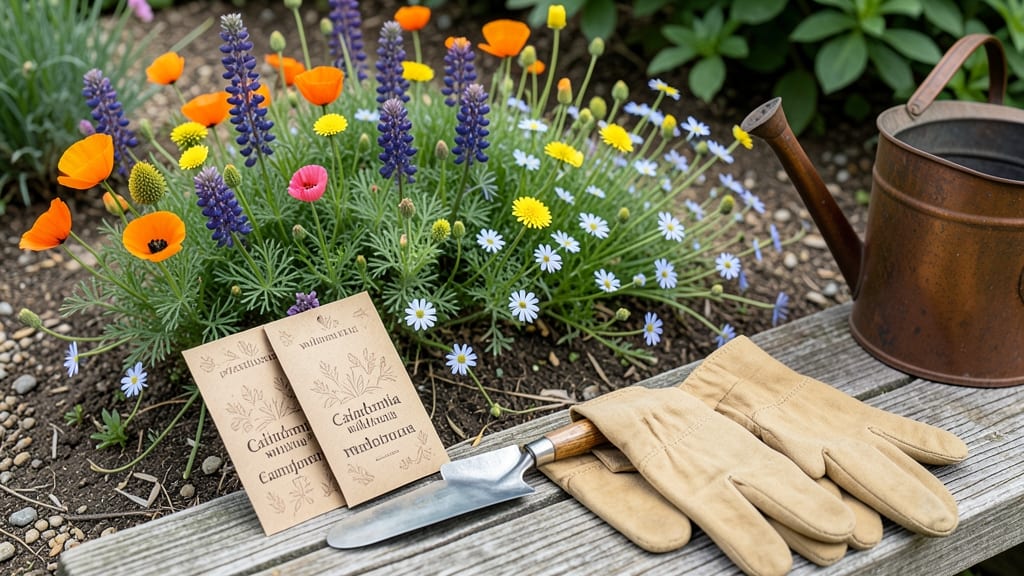
Timing your flowers 🌸 planting in California can feel like solving a puzzle—because what works in coastal Santa Cruz might flop in the Central Valley’s heat. Get the dates wrong, and your blooms could wilt before they even show their colors.
But here’s the good news: with the right schedule for your microclimate, you can enjoy year-round flowers without frost worries.
California’s 5a-11 zones create wildly different planting windows—coastal areas thrive with fall starts, while desert regions play by their own rules. Whether you’re dreaming of vibrant spring bulbs or hardy winter blooms, knowing when to plant is the key to success.
I’ll break down the exact months for each region so you can skip the guesswork and start growing with confidence.
From frost-free coastal gardens to inland valleys where heat can shock seedlings, we’ll cover it all. You’ll learn which flowers 🌸 thrive in each season and how to adjust for your specific zone—plus pro tips to extend your blooming season without risk.
Ready to turn your garden into a nonstop floral show?
The secret to California’s most stunning gardens? Planting at the perfect time for your microclimate. Let’s get started with the schedules that actually work for your location.
California’s 5 microclimates & their ideal flower planting windows
California’s diverse microclimates create unique planting windows for flowers. From coastal fog to desert heat, each region has distinct frost-free periods and ideal planting times. Understanding these zones ensures your flowers thrive without frost damage or heat stress.
Here’s how to match your flower varieties to California’s 5 key microclimates: coastal, inland valley, desert, high-elevation, and Mediterranean. Each has its own last frost dates and optimal planting months for annuals, perennials, and bulbs.
For coastal areas like San Francisco, you can plant flowers year-round since frost is rare. However, fall planting (September-December) ensures vibrant blooms through winter and early spring. Pansies and sweet peas thrive in these mild conditions.
Inland valleys such as Sacramento experience cooler winters with frost risks. Plant annuals like marigolds in fall (September-November) to avoid heat stress in summer. Dahlias and zinnias love these conditions when planted early.
The desert climate of Palm Springs allows winter planting (January-March) to escape summer’s extreme heat. Desert marigolds and blanket flowers are perfect for these arid conditions, needing minimal water once established.
High-elevation areas like Lake Tahoe have late frost dates (around May 15). Wait until late spring (May-June) to plant alpine penstemon and columbine, which love cooler temperatures and well-draining soil.
Southern California’s Mediterranean climate offers two planting windows: fall (September-November) for winter blooms and spring (February-April) for summer color. Lavender and poppies flourish here with minimal frost risk.
Use these microclimate guidelines to align your planting schedule with California’s unique growing conditions. Adjust for local frost dates by checking your USDA zone and historical weather patterns.
For bulbs like tulips, plant them 6-8 weeks before the first frost in inland areas. Coastal gardeners can plant bulbs anytime, but fall is ideal for spring blooms. Always amend soil with compost for healthier roots.
By following these region-specific planting windows, you’ll enjoy continuous blooms without frost damage or heat stress. Happy gardening! 🌸
Best flowers to plant by season in each California region
California’s five distinct microclimates mean your flower planting calendar should shift dramatically from coastal San Francisco to desert Palm Springs. Coastal areas enjoy year-round planting with no frost risk, while inland valleys and high elevations demand precise timing to avoid late-winter chills.
Let’s break down the best flowers to plant each season based on your region, ensuring vibrant blooms from spring through fall.
For coastal regions (USDA zones 9b-11), like Los Angeles or Santa Barbara, focus on fall and winter planting for spring blooms. Snapdragons, pansies, and calendulas thrive when sown in October-November, while summer annuals like zinnias can be direct-sown in March-April.
These areas also support year-round container gardening, letting you extend seasons with petunias or geraniums.
In inland valleys (USDA zones 8a-10a), such as Sacramento or Fresno, aim for early fall planting to establish roots before winter. Tulips and daffodils should go in October-November, while spring-blooming perennials like lavender can be planted in late winter (February-March).
Avoid summer planting—heat shock can kill seedlings in 100°F+ soil.
| Region | Season | Best Flowers | Planting Time |
|---|---|---|---|
| Coastal (9b-11) | Fall/Winter | Snapdragons, Pansies, Calendulas | Oct-Nov (spring blooms) |
| Inland Valleys (8a-10a) | Early Fall | Tulips, Daffodils, Lavender | Oct-Nov (bulbs) or Feb-Mar (perennials) |
| Desert (9b-11) | Winter | Desert Marigolds, Blanket Flower | Jan-Feb (avoid summer heat) |
| High Elevation (5a-7b) | Spring | Alpine Penstemon, Columbine | April-May (after last frost) |
| Mediterranean (9a-10b) | Fall | Poppies, Sweet Peas, Rosemary | Sep-Oct (avoid summer drought) |
In desert regions (USDA zones 9b-11), such as Palm Springs or Joshua Tree, winter is your only planting window. Desert marigolds and blanket flowers thrive when sown in January-February, taking advantage of cooler temperatures and minimal evaporation.
Summer planting is a no-go—soil can hit 120°F+, cooking seeds before they sprout.
For high-elevation areas (USDA zones 5a-7b), like Mount Shasta or Lake Tahoe, wait until late spring (April-May) to plant. Alpine penstemon and columbine love cool nights and well-draining soil, but frost dates here can linger until June.
Use row covers for early starts if you’re eager to see blooms.
Finally, Mediterranean climates (USDA zones 9a-10b), like San Diego or Santa Barbara, mimic European spring planting. Poppies, sweet peas, and rosemary should go in September-October to establish roots before summer drought hits. These regions also support year-round blooms with careful water management.
Pro tip: Always check your local frost dates (use the USDA Plant Hardiness Zone Map) and adjust by 4-6 weeks for seedlings. Coastal gardeners can plant almost anytime, but inland valleys should avoid summer heat stress at all costs. With these region-specific guides, your