
Plants
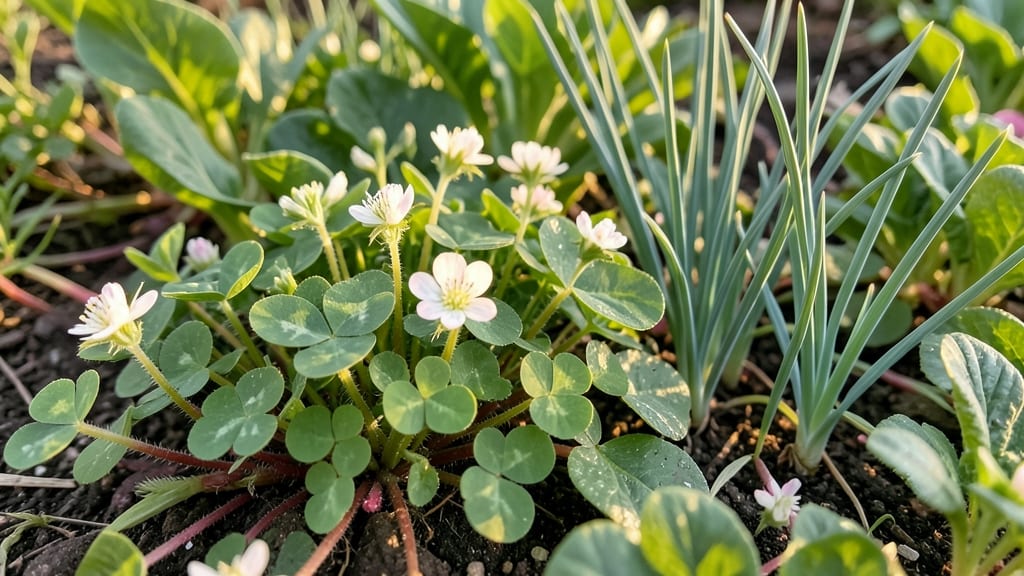
If you're serious about attracting whitetail deer in Louisiana, timing your food plots is the single most important factor—plant too early or too late, and you risk weeds, poor growth, or deer that never even notice your plot.
The 8a-9a climate zones give you two prime windows: late winter/early spring or early fall, but getting it wrong can mean the difference between a lush, deer-magnet plot and a patch of dirt.
I’ve spent years testing what works in Louisiana’s humid summers and mild winters, and the secrets aren’t just about the calendar—they’re about aligning your planting with deer behavior, soil conditions, and even local weather patterns.
Whether you’re a first-time plotter or a seasoned hunter, these insights will help you avoid costly mistakes and create a food source that deer can’t resist.
Let’s break down the exact months to plant for maximum success, the best crops for each season, and how to prepare your soil so your plots thrive year-round. No more guesswork—just proven strategies tailored to Louisiana’s unique challenges.
Ready to turn your property into a whitetail hotspot? The first step starts now—with the right timing.
Optimal Louisiana food plot planting calendar: spring vs. fall timing explained
Louisiana’s humid subtropical climate (USDA Zones 8a-9a) creates a unique window for food plot success. Unlike northern states, you can plant twice a year—spring and fall—with each season offering distinct advantages for deer hunting.
The key is understanding temperature thresholds, moisture availability, and how these align with deer feeding patterns.
Spring planting (February–March) capitalizes on warm soil temperatures and increasing daylight, while fall planting (August–September) leverages cooler nights and abundant rainfall before winter dormancy. Both strategies work, but your choice depends on local rainfall patterns, soil conditions, and whether you prioritize early-season food or late-season attractants.
Here’s the breakdown of ideal planting windows, soil prep requirements, and deer activity triggers to maximize your food plot’s appeal:
| Season | Planting Window | Soil Temp | Rainfall | Deer Activity | Key Crops |
|---|---|---|---|---|---|
| Spring | Late Feb–Early March | 55–65°F | Moderate (3–5 inches) | Rut prep (spring fawns) | Clover, chicory, brassicas |
| Fall | Mid-Aug–Early Sept | 70–80°F | High (5–7 inches) | Pre-rut feeding | Winter rye, brassicas, turnips |
| Avoid | Summer (June–July) | 90°F+ | Low (heat stress) | Deer inactive | N/A (Weed competition) |
For spring planting, aim to get seeds in the ground 4–6 weeks before your last frost date (typically mid-February in North Louisiana, early March in the South).
This ensures rapid germination before summer heat sets in. Use a cover crop like rye to protect soil and suppress weeds until your main plot establishes.
Fall planting is often the preferred strategy in Louisiana because it aligns with deer’s natural fall rut (September–October). Plant winter rye or brassicas in August to take advantage of abundant rainfall and cooler temperatures.
These crops provide high-protein food when natural forage is scarce, making your plot irresistible to bucks preparing for the rut.
Regional variations matter: North Louisiana (e.g., Shreveport) has cooler springs and earlier frosts, while South Louisiana (e.g., New Orleans) stays warm longer. Adjust your planting timeline by 1–2 weeks based on your specific microclimate.
Check local LDWF (Louisiana Department of Wildlife and Fisheries) reports for deer movement patterns to fine-tune your timing.
One critical factor often overlooked is soil moisture. Louisiana’s clay-heavy soils can become waterlogged after heavy rains. Plant in dry conditions (not muddy) to prevent seed rot.
If rainfall is scarce, irrigate lightly after planting to ensure seed-to-soil contact. Mulch with straw or wood chips to retain moisture without smothering young shoots.
Pro tip: Test your soil pH before planting—Louisiana’s acidic soils often need lime applications (aim for 6.0–6.5 pH) to optimize nutrient uptake. Add compost or aged manure to improve soil structure and fertility. A well-prepped plot grows faster and attracts deer earlier in the season.
Timing isn’t just about when you plant—it’s about when deer are hungry. A spring plot should be ready by April–May to feed does with fawns, while a fall plot must establish by October to fuel bucks during the rut.
Plan your crops accordingly: fast-growing brassicas for spring, longer-season rye for fall.
Finally, monitor your plot like a hawk. Deer will ignore a weedy or overgrown food source. Mow or disk aggressively if weeds take over, and fertilize lightly (10-20-10 NPK) every 4–6 weeks during the growing season. A lush, green plot
Optimal Louisiana food plot planting calendar: spring vs. fall timing explained
Louisiana’s humid subtropical climate creates two prime windows for planting deer food plots: late winter/early spring and early fall. Each offers unique advantages, but timing directly impacts growth speed, deer attractiveness, and weed competition.
Let’s break down the best months, soil conditions, and deer behavior triggers for each season.
For spring planting, aim for February to March—just after the last average frost date (typically mid-February in most of Louisiana). This aligns with rising soil temperatures (above 50°F) and increasing daylight, which kickstarts rapid growth.
Spring-planted plots like clover blends or warm-season grasses provide early-season forage when natural food is scarce.
Fall planting (August to September) is my top recommendation for Louisiana hunters. Cooler temperatures and consistent rainfall create ideal conditions for brassicas (turnips, radishes) and winter rye, which deer love during rut season (October-November). Fall plots also establish roots before winter, ensuring vigorous regrowth in spring.
🌱 Louisiana Food Plot Planting Timeline
| Season | Best Months | Soil Temp | Deer Activity | Key Crops |
|---|---|---|---|---|
| Spring | February-March | 50°F+ | Pre-rut scouting | Clover, chicory, brassicas |
| Fall | August-September | 60°F-75°F | Peak rut (Oct-Nov) | Turnips, rye, winter peas |
💡 Pro Tip: Test soil pH (aim for 6.0-7.0) before planting—Louisiana’s acidic soils often need lime adjustments.
Regional differences matter in Louisiana. North Louisiana (USDA Zone 8a) has cooler springs and earlier frosts, favoring late August planting for fall plots. Meanwhile, South Louisiana (Zone 9a) can plant through September thanks to milder winters. Always check your local frost dates and adjust planting by 2-3 weeks if needed.
Moisture is critical—drought stress kills food plots faster than deer can eat them. Spring plantings need consistent rainfall or drip irrigation during establishment. Fall plots benefit from Louisiana’s wet summers, but drainage becomes key in low-lying areas where standing water invites weeds and disease.
Align planting with deer behavior. Spring plots attract bucks scouting rutting areas in early summer, while fall plots provide high-protein food during peak breeding activity. For maximum impact, plant both spring and fall plots—just ensure they’re 100+ yards apart to avoid over-browsing.
Remember: Soil prep starts 6-8 weeks before planting. Till or disk the land, remove weeds, and apply compost or fertilizer (aim for 10-20-10 NPK) to give your plots the best start. Louisiana’s humidity means plots grow fast—stay ahead of the game!