Trees
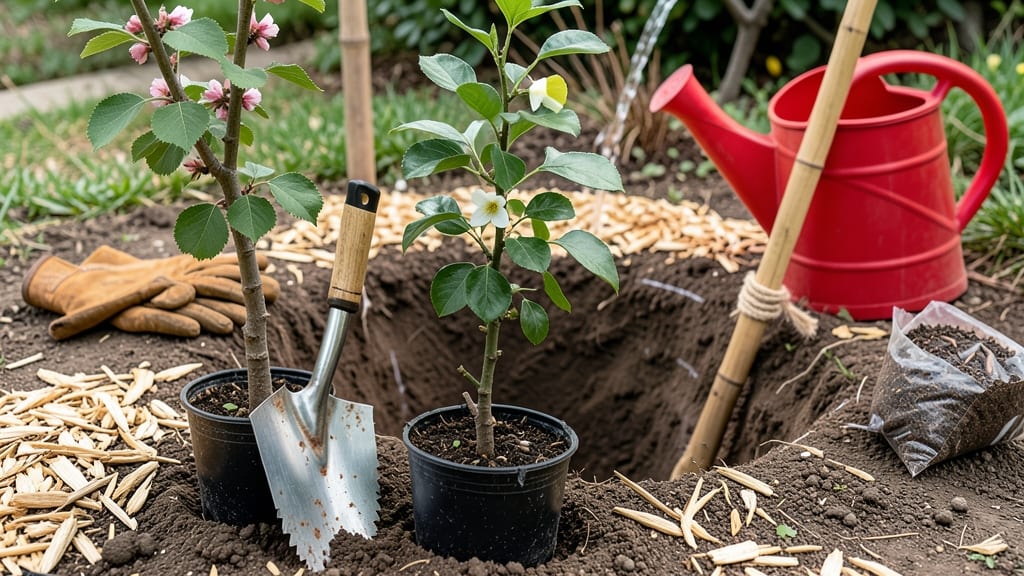
Planting fruit trees at the wrong time in California can mean the difference between a thriving orchard and frost-damaged saplings—especially when coastal and inland microclimates clash. Whether you're growing citrus in San Diego or peaches in the Central Valley, timing is everything.
The key is understanding your local frost-free window and soil conditions, which vary dramatically across the state.
I’ve spent years watching fruit trees take root in different California regions, and what I’ve learned is that spring planting is your best bet—but not all springs are created equal.
Coastal areas like Santa Barbara can start as early as February, while inland zones near Fresno might wait until March or April to avoid late frost surprises. The goal? Get those roots established before summer heat hits.
What most gardeners miss is how soil temperature plays a bigger role than calendar dates. A simple soil thermometer can save you from planting too early when roots are sluggish in cold ground.
Plus, I’ll show you how to prep your soil and choose the right mulch to keep moisture locked in—critical for both container-grown trees and in-ground plantings.
By the end of this guide, you’ll know exactly when to plant your fruit trees for maximum success, whether you’re in a frost-free coastal paradise or battling inland temperature swings. Let’s get those trees growing strong!
California fruit tree planting calendar by microclimate: coastal vs. inland frost-free zones
California’s diverse climate means coastal and inland regions can have opposite planting windows for the same fruit tree. Coastal areas like San Diego rarely see frost, while inland valleys like Fresno can drop below 30°F at night.
Understanding these microclimates is key to avoiding frost damage and ensuring strong root growth before winter.
Most citrus trees (like lemon or orange) thrive when planted in late winter or early spring—but timing shifts 1-2 months between coastal and inland zones.
Meanwhile, stone fruits (peaches, plums) need chilling hours and benefit from fall planting in colder inland areas. Let’s break it down by region and tree type.
🌱 Key Rule: Plant when soil temps hit 60°F+ (use a soil thermometer) and frost risk is minimal for 6+ weeks after planting. Coastal zones hit this in February-March, while inland areas wait until March-April.
For citrus trees, coastal gardeners can plant as early as January if using container-grown trees, but inland growers should wait until April to avoid late-spring frosts. Avocados are another coastal favorite—plant them in early spring when soil warms to 65°F+.
🌿 Pro Tip: Check your USDA Hardiness Zone (California ranges from 7b–11) and local frost alerts via the National Weather Service. Inland zones like Zone 9a (e.g., Sacramento) need 2–3 weeks of 50°F+ soil temps before planting.
Stone fruits like peaches and plums often do better with fall planting in inland areas, giving roots time to establish before winter. However, coastal growers should stick to spring to avoid winter rains and soil erosion.
Nut trees such as almonds and walnuts thrive in inland valleys and should be planted in late winter (February–March) when chilling hours (300–700 hours below 45°F) are met. Coastal plantings are rare due to low chilling hours.
If you’re unsure about your local frost risk, use the California Climate Smart tool or ask your local nursery—they’ll know if your area is a frost pocket or a microclimate hotspot. For example, Pasadena (Zone 10a) can be 10°F warmer than nearby Altadena just a few miles away.
Finally, container planting extends your window: Move potted trees indoors or to a greenhouse during cold snaps, letting you plant citrus or avocado as early as December in coastal zones. Just ensure pots have drainage holes and use well-d
5 Critical factors that determine your planting window (beyond just months)
California’s diverse climate means that planting dates aren’t just about the calendar—they’re about understanding your local microclimate and tree-specific needs. While coastal areas like San Diego can plant citrus year-round, inland valleys like the Central Valley need precise timing to avoid frost damage or heat stress.
Here’s what truly dictates the best time to plant fruit trees in your backyard.
The first factor is soil temperature. Most fruit trees, like peaches and apricots, need soil temps above 60°F to establish roots. Use a soil thermometer—planting too early in cold soil can stunt growth.
For citrus and avocados, wait until soil is at least 65°F to prevent root rot. Coastal areas hit these temps by February-March, while inland zones may need to wait until April-May.
Chilling hours are another game-changer, especially for stone fruits like cherries and plums. These trees require 200-1,000 hours below 45°F to bloom properly. Inland regions naturally accumulate these hours, but coastal areas often fall short—meaning you might need to choose low-chill varieties like Santa Rosa plums or Flame nectarines. Check your local USDA hardiness zone and tree tags for exact chilling requirements.
Root establishment is critical, and transplant shock can derail even the best-planned schedule. Bare-root trees need 6-8 weeks to regrow roots, so planting in late winter or early spring gives them time to settle before summer heat arrives.
Container-grown trees, however, can be planted year-round in mild coastal zones, but inland areas should avoid summer planting due to water stress and evaporative loss.
Post-planting care—like watering and mulching—also influences timing. Newly planted trees need deep, consistent watering for the first 3 months, so avoid planting during drought-prone summers unless you’re committed to drip irrigation.
A 3-inch layer of mulch helps retain moisture, but apply it only after roots have had time to establish, typically 4-6 weeks post-planting.
Frost alerts are your final checkpoint. Even in frost-free zones, unexpected cold snaps can occur. Sign up for local frost warnings and avoid planting tender species like figs or loquats until after the last frost date—usually mid-March in coastal areas and late March in inland valleys. For extra protection, choose dwarf varieties or plant near a sunny wall to trap heat.
🌱