
Planting
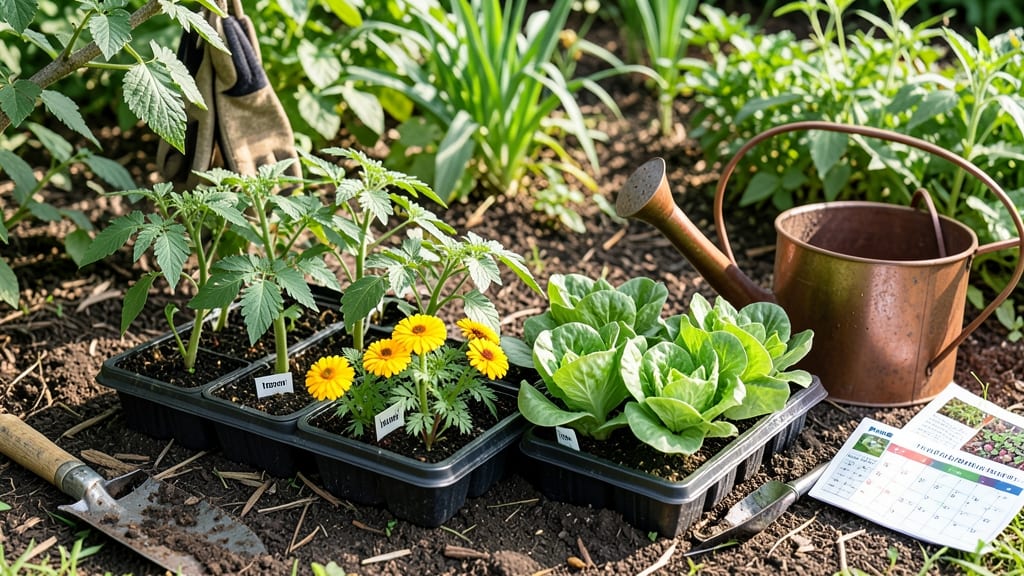
Timing your garden planting in Indiana wrong could mean the difference between a bountiful harvest and a sad, frost-nipped disappointment. With USDA Zones 5-6 and unpredictable spring weather, knowing exactly when to plant your 🌱 garden is the key to success.
Most gardeners in Indiana wait too long, risking late frosts that can wipe out tender seedlings. But the solution isn't just guessing—it's understanding your region's last frost dates and matching them to each plant's hardiness.
Whether you're growing cool-season crops like lettuce or heat-lovers like tomatoes, getting the timing right makes all the difference.
I'll show you exactly when to plant in Indiana, from early spring vegetables to summer blooms, so you can avoid common mistakes and maximize your growing season. Let's get your garden off to the best possible start.
Ready to transform your planting schedule? You'll learn how to adjust for Indiana's microclimates, protect young plants from unexpected cold snaps, and even extend your harvest into fall. Your future garden success starts with these simple but critical timing tips.
Indiana last frost dates by region: critical timing for planting success
Indiana’s gardening season hinges on understanding your last frost dates, which vary dramatically across the state’s USDA Hardiness Zones 5–6.
Northern Indiana (Zone 5) typically sees its last spring frost around April 15–May 1, while Southern Indiana (Zone 6) enjoys earlier dates, often by April 1–April 15. These dates separate cool-season crops from warm-season crops, making them the foundation of your planting strategy.
Central Indiana (Zone 5b–6a) falls somewhere in between, with average last frost dates between April 15–April 30. However, these are just averages—actual frost dates can shift 2–3 weeks earlier or later due to Indiana’s notorious weather swings.
Always have a backup plan for tender plants like tomatoes and peppers, which can’t tolerate even light frost.
Understanding your region’s frost patterns helps you time direct sowing and transplanting perfectly. For example, spinach and peas thrive when planted 4–6 weeks before your last frost, while tomatoes and peppers need to wait until 2 weeks after to avoid frost damage.
Let’s break down the specifics by region to help you plan with confidence.
🌱 Indiana Last Frost Dates by Region
| Region | USDA Zone | Avg. Last Frost | First Frost | Frost-Free Days |
|---|---|---|---|---|
| Northern Indiana | Zone 5 | April 15–May 1 | October 15–October 30 | 150–170 days |
| Central Indiana | Zone 5b–6a | April 1–April 15 | October 10–October 25 | 160–180 days |
| Southern Indiana | Zone 6 | March 25–April 15 | October 5–October 20 | 180–200 days |
*Data based on 30-year averages from NOAA and Purdue Extension. Always monitor local forecasts for real-time updates.
Northern Indiana’s shorter growing season means cool-season crops like kale and carrots are your best bets for early planting. These hardy plants can handle light frosts and even improve in flavor after exposure.
Meanwhile, Southern Indiana’s longer frost-free period allows for two full harvests of warm-season crops like okra and sweet potatoes, which thrive in the heat.
Central Indiana gardeners enjoy the best of both worlds, with enough time to grow both cool and warm-season crops successfully. However, even in Zone 6, a late frost in May can still damage tender seedlings.
That’s why I recommend using frost cloths or row covers as a precaution until you’re certain the danger has passed.
To track frost dates in real-time, I rely on tools like the Old Farmer’s Almanac and local CoCoRaHS weather stations. These resources provide hyper-local data that’s far more accurate than generic averages.
For example, a garden in Gary (Zone 5) might experience frost 10 days later than one in Bloomington (Zone 6), even though they’re only 100 miles apart.
Another critical factor is soil temperature, which should ideally reach 50°F for cool-season crops and 60°F+ for warm-season crops before planting. Use a soil thermometer to verify—cold soil can stunt seed germination even if air temperatures are mild.
In my experience, waiting an extra week for warm soil saves hours of troubleshooting failed seedlings later.
For perennial plants like asparagus and rhubarb, timing matters less, but establishing them in early spring (March–April) gives them a head start. These hardy plants benefit from 6–8 weeks of root development before the first frost, so don’t rush their planting.
Patience here pays off with decades of harvests down the line.
If you’re new to Indiana gardening, start by identifying your microclimate. A south-facing slope warms up faster than a low-lying area, potentially extending your growing season by 1–2 weeks.
Similarly, urban gardens in cities like Indianapolis can experience heat islands that delay frost, while rural areas may see earlier freezes. Observe your yard’s unique conditions for at least 2–3 years to refine your planting schedule.
Remember, these frost dates are just a starting point. Indiana’s weather is famously unpredictable, so always have a flexible backup plan
Best planting schedule for Indiana gardens: what to sow when
Indiana’s diverse microclimates mean your planting timeline should adapt from north to south. Whether you're growing cool-season crops like spinach or warm-season favorites like tomatoes, timing is everything.
I’ll break down the best months to start seeds indoors, transplant seedlings, and sow directly into the garden for a continuous harvest all season long.
For cool-season vegetables, such as lettuce, peas, and radishes, start planting as early as March in Southern Indiana and April in Northern Indiana. These hardy crops can tolerate light frosts and even thrive in 50°F soil temperatures.
Meanwhile, warm-season crops like peppers, eggplants, and cucumbers need to wait until after your last average frost date—typically mid-April to early May—when soil temperatures reach at least 60°F.
| Plant Type | Indoor Start (Weeks Before Last Frost) | Direct Sow (Month) | Notes |
|---|---|---|---|
| Cool-Season Veggies (Spinach, Lettuce, Peas) | 4-6 weeks before last frost | March (South), April (North) | Tolerates light frost |
| Warm-Season Veggies (Tomatoes, Peppers, Cucumbers) | 6-8 weeks before last frost | After last frost (May-June) | Needs warm soil (60°F+) |
| Flowers (Marigolds, Zinnias, Sunflowers) | 4-8 weeks before last frost | April-May (after frost) | Attracts pollinators |
| Herbs (Basil, Cilantro, Dill) | 4-6 weeks before last frost | April-May (after frost) | Basil hates cold |
| Perennials (Daylilies, Coneflowers) | Spring or Fall | April-May or September | Establishes strong roots |
Don’t forget about succession planting—a gardener’s secret to non-stop harvests. For example, sow radishes every 2 weeks from April to July for a steady supply. Similarly, bush beans and lettuce can be replanted every 3 weeks after their initial planting to extend your harvest window well into fall.
If you’re growing container gardens, you can push your planting windows even further. Containers warm up faster in spring, allowing you to plant warm-season crops like tomatoes 2-3 weeks earlier than in-ground gardens. Just be prepared to use row covers or move containers indoors if a late frost threatens.
For fall planting, focus on cool-season crops like kale, carrots, and broccoli. These can be sown as early as late July to early August for a harvest before the first frost.
Use black plastic mulch to warm the soil and extend the season for heat-loving crops like peppers in late summer.
Pro tip: Keep a planting journal to track your success. Note when you planted, any weather delays, and how your crops performed. Over time, you’ll fine-tune your schedule to match your local microclimate—because every backyard in Indiana is slightly different!