
Planting
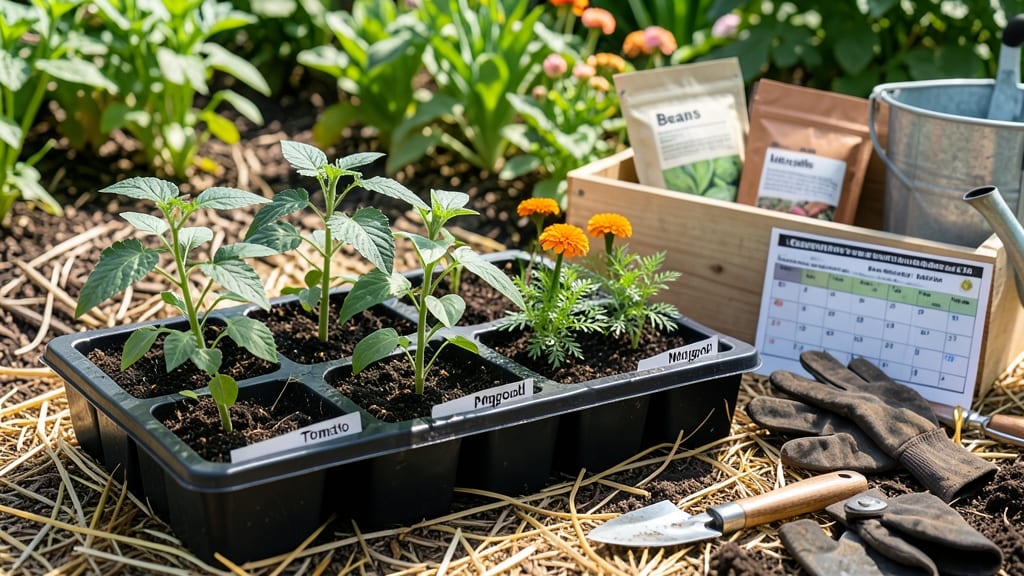
Kentucky planting zones & best months for spring planting by crop type
Kentucky spans USDA Hardiness Zones 6a-7b, meaning our growing seasons are short but productive when timed correctly. The average last frost date hovers around April 15, while the first frost typically arrives by October 15.
These dates are your garden’s bookends—plant too early, and frost will kill tender seedlings; too late, and you’ll miss peak harvests.
For spring planting, focus on two key groups: cool-season crops that tolerate light frost and warm-season crops that need soil warmth.
Kentucky’s variable microclimates mean urban Louisville may be 2-3 weeks ahead of rural Appalachian regions, so always check local frost charts or use a frost-free date calculator for precision.
🌱 Pro Tip: Use row covers or cold frames to extend early spring planting by 2-4 weeks, especially for heat-loving crops like tomatoes and peppers.
🌱 Kentucky Spring Planting Guide by Crop Type
| Crop Type | Planting Window | Key Notes | Soil Temp Requirement |
|---|---|---|---|
| Cool-Season Veggies (lettuce, spinach, peas, broccoli) | March 1 - April 15 | Tolerate light frost; harvest before summer heat | 40-50°F |
| Warm-Season Veggies (tomatoes, peppers, cucumbers) | April 20 - May 10 | Wait until soil reaches 60°F+; use black plastic mulch to warm soil | 60-70°F |
| Flowers (marigolds, zinnias, pansies) | March 15 - May 1 | Pansies handle frost; zinnias need warm soil | 45-65°F |
| Herbs (basil, cilantro, parsley) | April 1 - April 30 | Basil dies in frost; cilantro bolts in heat | 50-65°F |
| Perennials (lavender, asparagus, rhubarb) | March 15 - April 15 | Plant crowns when soil is workable (not frozen) | 45-55°F |
For cool-season crops, start seeds indoors in February for a head start. Direct-sow hardy greens like spinach and kale as early as late February under row covers. These crops thrive when temperatures stay below 75°F, so plan to harvest them by June before bolting occurs.
Warm-season crops like tomatoes and peppers demand patience. Soil must reach 60°F+ before planting, which typically happens by mid-April in Louisville but may wait until late April in Eastern Kentucky. Use straw mulch to retain heat and accelerate germination for slower starters like peppers.
Don’t overlook succession planting—a technique where you stagger plantings every 2-3 weeks to ensure a continuous harvest. For example, sow bush beans in early May, then again in mid-June for a fall crop. This maximizes your garden’s productivity in Kentucky’s short growing season.
🌿 Key Insight: Kentucky’s humid summers can stress plants, so prioritize well-draining soil and adequate airflow between rows. Amend clay-heavy soils with compost or sand to prevent root rot in heat-sensitive crops.
If you’re new to gardening in Kentucky, start small with easy-to-grow crops like lettuce, radishes, and marigolds. These tolerate a range of conditions and provide quick gratification. For advanced gardeners, experiment with unusual crops like Malabar spinach or Okra, which thrive in Kentucky’s heat once soil warms.
Always monitor your garden’s microclimate. A south-facing bed warms faster than a north-facing one, and urban areas may stay 5-10°F warmer than rural spots. Use a soil thermometer to verify conditions before planting warm-season crops—this simple tool can save you from failed plantings.
Finally, keep a planting journal to track what works in your specific Kentucky location. Note frost dates, soil conditions, and harvest yields each year. Over time, you’ll refine your timing to match your unique garden’s rhythm.
Fall planting in Kentucky: which crops thrive & when to start
Kentucky’s mild fall weather makes it one of the best times to plant a garden. Unlike spring, fall offers cooler temperatures and lower humidity, reducing stress on plants. Plus, many crops actually prefer the cooler days of autumn, leading to sweeter harvests and fewer pests.
If you’ve ever missed the spring planting window, fall is your second chance to grow a productive garden.
Timing is everything in fall gardening. The key is to plant cool-season crops about 8-10 weeks before the first frost, which typically hits Kentucky around mid-October. This gives plants enough time to mature before winter sets in.
For example, leafy greens like spinach or kale can handle light frosts, while root vegetables like carrots or beets need a longer growing window to reach harvest size.
Here’s what you need to know about fall planting in Kentucky, including the best crops to grow and how to extend your harvest into winter:
- 📅 Early August: Start seeds indoors for cool-season crops like broccoli or cabbage.
- 📅 Mid-August: Plant hardy vegetables like kale, spinach, and radishes directly in the garden.
- 📅 Late August: Transplant broccoli, cauliflower, and Brussels sprouts to give them time to establish roots.
- 📅 September: Sow carrots, beets, and lettuce for a late fall harvest.
- 📅 Early October: Plant garlic and onions for next year’s harvest.
- 📅 Mid-October: Cover tender crops with row covers or mulch to protect from early frosts.
One of the biggest advantages of fall planting is the reduced pest pressure. Many insects and diseases that plague gardens in summer are less active in cooler weather. This means your leafy greens and root vegetables will have fewer problems with aphids or fungal diseases.
Additionally, the soil stays warmer longer in fall, giving plants a head start on growth compared to spring.
To extend your harvest even further, consider using row covers or cold frames. These simple tools can protect your plants from light frosts and even allow you to harvest spinach or lettuce well into December. Just
Don’t forget about perennials and flowers in your fall planting plan! Many spring-blooming bulbs, like tulips or daffodils, need to be planted in fall to establish roots before winter. Even some annual flowers, like pansies, thrive when planted in late summer or early fall, giving you color well into winter. Planting flowers in fall also attracts beneficial insects that will help control pests in your spring garden.
If you’re new to fall gardening, start small with easy-to-grow crops like radishes, lettuce, or green onions. These plants mature quickly and are forgiving if you’re still learning the ropes.
Over time, you can experiment with more delicate crops like broccoli rabe or Swiss chard, which also thrive in Kentucky’s fall climate. With the right timing and a little protection, your fall garden can be just as productive—and sometimes even more so—than your spring planting!