Planting
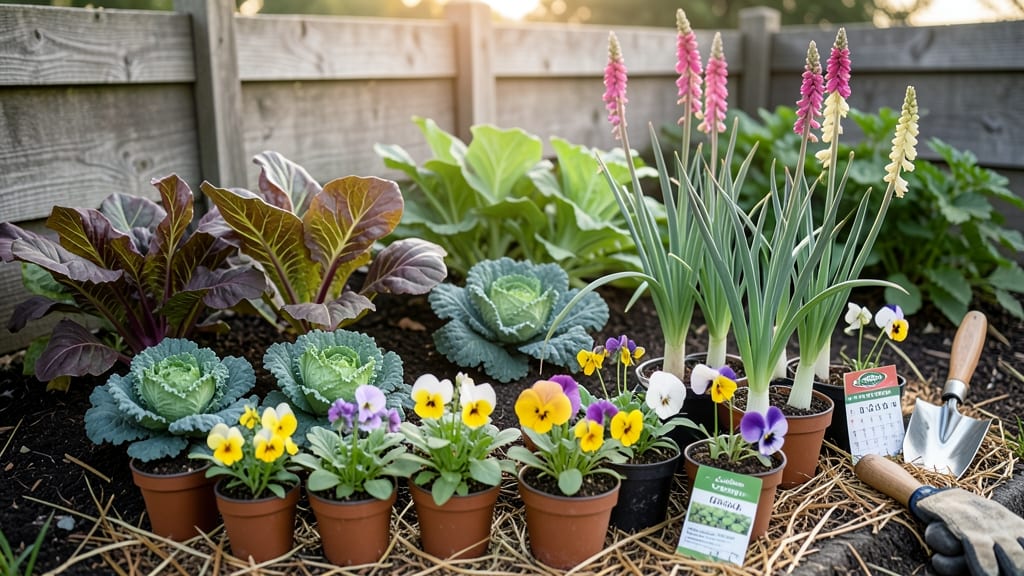
Wisconsin’s last frost dates by region: critical planting windows
Wisconsin’s last frost dates vary dramatically by region, from mid-April in southern areas to early May in the north. These dates separate your garden’s success from failure—planting warm-season crops like tomatoes too early can mean a frost-killed harvest.
The state spans USDA Zones 3a–6b, so I’ll break it down by zone to help you time your planting perfectly.
Northern Wisconsin (Zones 3a–4b) has the latest frosts, often around May 15–20, while southern areas (Zones 5a–6b) can start planting by April 20–May 5. Central Wisconsin falls in between, with May 1–10 as the typical window.
Always check local forecasts—microclimates near lakes or urban heat islands can shift dates by 1–2 weeks.
For cool-season crops like peas and spinach, you can plant as early as late March in southern Wisconsin or early April in the north. These hardy plants thrive when soil temperatures hit 40–45°F.
Warm-season crops like peppers and squash, however, need to wait until after the last frost and when soil reaches 60°F+.
Here’s how to use frost dates to plan your garden:
- Calculate your frost-free period: Wisconsin’s average frost-free season ranges from 100–150 days, depending on location. Use this to pick fast-maturing varieties (e.g., bush beans in 50 days) or extend the season with row covers.
- Adjust for microclimates: Urban areas like Milwaukee may warm up faster than rural Eau Claire. Lakeside gardens can have earlier springs due to lake-effect warming, while valleys hold frost longer.
- Use the 50°F soil rule: Most vegetables won’t thrive until soil hits 50°F. Test with a soil thermometer—cold soil slows germination and stunts growth.
Wisconsin Frost Dates by Region
| Region | USDA Zone | Avg. Last Frost | Avg. First Frost | Frost-Free Days |
|---|---|---|---|---|
| Northern (e.g., Green Bay) | 3a–4b | May 15–20 | September 25–October 5 | 100–120 |
| Central (e.g., Madison) | 4a–5a | May 1–10 | October 5–15 | 120–140 |
| Southern (e.g., Milwaukee) | 5a–6b | April 20–May 5 | October 15–25 | 140–160 |
*Dates are averages—check WRCC for real-time updates.
For fall planting, aim to sow warm-season crops like kale or radishes by August 15–September 1, giving them time to mature before the first frost. Cool-season crops can handle light frosts—spinach and carrots often improve in flavor after a frost!
Pro tip: Use row covers or cold frames to push spring planting 2–3 weeks earlier. Just remove them when flowers appear on warm-season plants to prevent heat stress.
Always double-check with local weather sources like the National Weather Service or Wisconsin State Climatology Office. A late frost in May can still sneak in—better safe than sorry with your tomato seedlings!
Now that you’ve got your frost dates locked in, let’s dive into the best vegetables to plant in Wisconsin by season—including which varieties thrive in your zone and how to time them for maximum yield. 🌱
Best vegetables to plant in Wisconsin by season: frost-resistant picks
Wisconsin’s short growing season demands smart choices—pick the right vegetables and you’ll enjoy fresh harvests from spring to fall. Cool-season crops like kale and peas thrive in early spring or late summer, while tomatoes and peppers need warmer soil to flourish.
Let’s break down the best options for each season, so you can plan your garden like a pro.
For spring planting, focus on hardy greens and root vegetables that tolerate light frosts. Lettuce and spinach can handle temps down to 20°F, while radishes sprout quickly in cool soil.
These early crops give you edible harvests before summer heat sets in. Start seeds indoors in March or direct-sow after your last frost date (usually mid-April to early May).
Summer is prime time for heat-loving vegetables like tomatoes, cucumbers, and beans. These plants need warm soil (at least 60°F) and full sun (6+ hours daily). Transplant seedlings after the last frost, but wait until soil warms—cold soil stunts growth. Succession planting every 2 weeks ensures a continuous harvest until frost.
Don’t overlook fall planting! Many vegetables, like broccoli and carrots, grow well in cooler weather. Plant these 8–10 weeks before your first frost (mid-October) for a second harvest. Even kale tastes sweeter after a light frost—perfect for Wisconsin’s crisp autumn air.
Pro tip: Use row covers to extend the season for tender crops like spinach or radishes in early spring. These lightweight fabrics protect young plants from late frosts while allowing sunlight and water through.
For warm-season crops, wait until the soil is consistently above 50°F—cold soil delays germination and weakens seedlings.
Wisconsin’s climate rewards patience and planning. By matching your vegetable choices to the season and protecting them from frost, you’ll enjoy a garden bursting with flavor from spring to fall. Start with these frost-resistant picks, and soon you’ll be harvesting homegrown goodness like a local expert! 🌱