
Plants
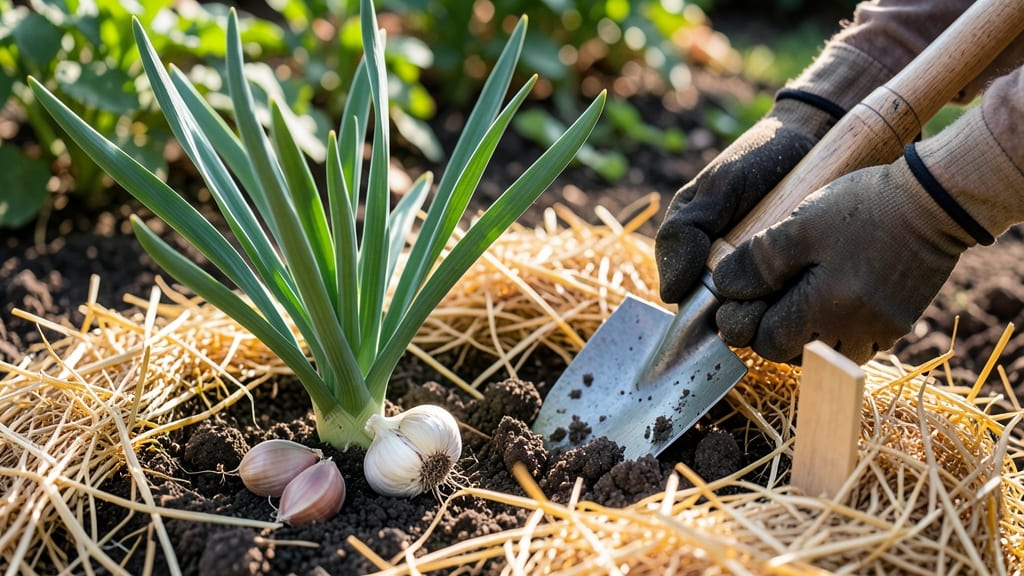
Timing your garlic 🧄 planting in Zone 5 isn't just about following a calendar—it's about working with your climate's quirks to ensure those plump, flavorful bulbs you crave. Plant too early, and you risk rot; too late, and the cold might stifle growth before spring.
The sweet spot? A narrow window where soil temps drop but frost hasn't locked the ground yet.
Most Zone 5 gardeners swear by fall planting—between October and November—when days grow shorter and nights chillier. But here's the catch: your exact dates depend on whether you're growing hardneck or softneck varieties, and whether you're willing to gamble on early frosts.
I'll break down the 6-week window that separates success from disappointment, plus how to read your soil's temperature cues like a pro.
You might think garlic is garlic, but in Zone 5, variety matters more than you'd expect. Some strains thrive in our cold snaps, while others bolt at the first sign of warmth.
I'll reveal which cold-hardy types deliver the biggest yields and best flavors, so you're not left with shriveled cloves come harvest season. Let's get those bulbs in the ground at the perfect moment.
Ready to transform your garden into a garlic powerhouse? We'll cover everything from spacing tricks to moon phase tips that can boost your harvest by up to 30%. Skip the guesswork and plant with confidence—your taste buds will thank you.
Zone 5 garlic planting timeline: exact fall dates & moon phase tips
In Zone 5, the 6-week fall window between mid-October and mid-November is your best bet for planting garlic bulbs. This timing lets roots establish before winter while avoiding the ground freezing that can stunt growth.
But don’t just grab a calendar—soil temperature and moon phases play surprising roles in success.
Your ideal planting window starts when soil temps drop to 40–50°F (about 6°C). Use a soil thermometer to confirm—planting too early (when soil is still warm) can trigger premature sprouting, while waiting too long risks frozen cloves.
In most of Zone 5, this translates to October 15–November 1, but adjust 1–2 weeks earlier if your area has early frosts.
Moon phases might sound like old gardener’s lore, but they actually influence garlic bulb development. Planting during the waning moon (after the full moon) encourages root growth, while a waxing moon boosts top growth. Check a lunar calendar for your region—aim for the 7–14 days after the full moon in October or November for optimal bulb formation.
Here’s the golden rule: Plant 4–6 weeks before the ground freezes. In Zone 5, this usually means late October for most gardeners, but if you’re in a warmer microclimate (like near a south-facing wall), push it to early November.
The key is giving roots time to anchor before winter dormancy.
| Factor | Hardneck Varieties | Softneck Varieties |
|---|---|---|
| Cold Hardiness | ⭐⭐⭐⭐⭐ (Zone 3–8) | ⭐⭐⭐ (Zone 5–10) |
| Best Planting Window | Late October–early November | Mid-October–late November |
| Moon Phase Preference | Waning moon (root focus) | Waxing moon (bulb focus) |
| Soil Temp Trigger | 40–50°F (6°C) | 45–55°F (7–13°C) |
| Frost Tolerance | Survives 20°F (-7°C)+ | Dies below 15°F (-9°C) |
| Harvest Time | Mid-July (scapes first) | Late July–August |
Note: Hardnecks produce scape shoots (edible greens) in spring, while softnecks store longer but lack scapes.
If you’re planting hardneck garlic (the Zone 5 favorite for cold climates), prioritize late October to early November.
These varieties need cold vernalization (a winter chill) to form bulbs, so don’t skip the freeze. Softneck garlic, on the other hand, is more flexible—plant it 2 weeks earlier if you’re unsure, as it tolerates slightly warmer soils.
Pro tip: Test your soil before planting. Garlic thrives in loamy, well-draining soil with a pH of 6.0–7.0. If your soil is heavy clay, amend it with compost or sand to prevent waterlogging, which can rot bulbs.
A simple soil test kit (available at garden centers) takes the guesswork out of prep.
Once you’ve nailed the date and soil, focus on planting depth and spacing. Break apart garlic bulbs into individual cloves, keeping the paper skin intact (this protects against rot).
Plant cloves 2 inches deep, 4–6 inches apart, with the pointy end up. In Zone 5, this spacing prevents crowding and ensures even growth through winter.
After planting, mulch heavily with straw or leaves (4–6 inches) to insulate bulbs from freeze-thaw cycles, which can heave them out of the ground. Remove mulch in early spring once shoots emerge—this prevents disease buildup and encourages strong growth as temps rise.
Remember: Patience is key. Your garlic won’t sprout until spring, but those dormant roots are already working underground. By timing your plantings right, you’ll harvest plump, flavorful bulbs by mid-summer—worth the wait for any Zone 5 gardener!
Zone 5 garlic planting timeline: exact fall dates & moon phase tips
In Zone 5, your garlic planting window is narrow but critical—aim for 6 weeks before the ground freezes, typically between mid-October and early November. This timing ensures bulbs establish roots before winter dormancy, while avoiding the risk of frost damage to young sprouts.
For example, if your last frost date is November 15, plant by October 15 for ideal results.
Soil temperature is your best guide: garlic cloves need 40–50°F soil to sprout. Use a soil thermometer to confirm readiness—planting too early in warm soil risks rot, while waiting too long may stunt root growth. Pro tip: Test soil temperature at 4-inch depth in late afternoon for accuracy.
Moon phases also influence bulb development. Plant during the waxing moon (when the moon is growing brighter) to encourage stronger root systems. For Zone 5, this often aligns with late October, but check a lunar calendar for your exact dates.
The goal is to maximize root growth before winter slows activity.
🌱 Garlic Variety Comparison for Zone 5
| Variety | Hardiness | Flavor Profile | Best For |
|---|---|---|---|
| German White | Excellent | Mild, sweet | Storage, roasting |
| Music | Very Good | Bold, spicy | Fresh cooking |
| Chesnok Red | Good | Pungent, complex | Long-term storage |
| Silverskin | Fair | Mild, adaptable | Braiding, gifts |
💡 Note: Hardneck varieties (like German White) thrive in Zone 5’s cold winters, while softneck types (like Silverskin) need slightly warmer conditions.
Adjust your planting date based on local microclimates. Areas with early frosts (like northern Zone 5) may need to plant by late September, while southern edges can wait until early November.
Observe your garden’s frost patterns for 2–3 years to refine your schedule—this precision pays off in larger bulbs and better flavor.
After planting, mulch with 4–6 inches of straw to insulate bulbs through winter. This protects against temperature swings and prevents heaving (when soil freezes and expands).
Remove mulch in early spring once soil thaws to encourage regrowth. Consistency in these steps ensures your garlic emerges strong and healthy by April.
Remember: Spring planting in Zone 5 is possible but yields smaller bulbs. If you miss the fall window, plant cloves in early spring (March) for a secondary harvest, but expect 50% smaller bulbs compared to fall-planted garlic. Prioritize fall for the best results!