
Plants
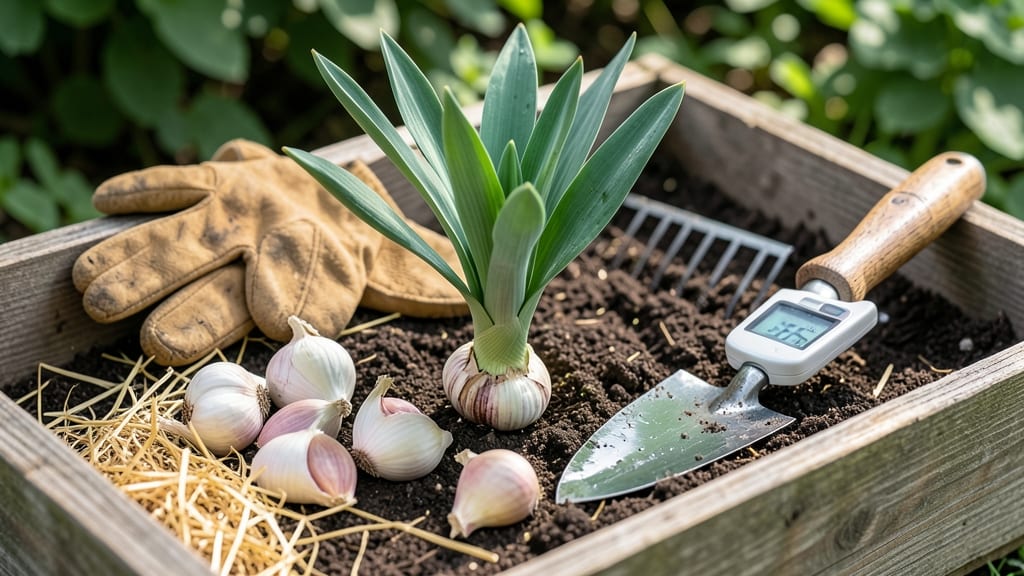
Planting garlic in Tucson might seem tricky with its desert winters, but the key to success lies in timing—specifically, October and November when temperatures start to dip. Unlike other plants, garlic actually needs a period of cold to develop those bold flavors we all love.
If you miss this window, you could end up with weak bulbs or even no harvest at all.
Here’s the good news: Tucson’s USDA Zone 9b climate is perfect for growing garlic if you know the right varieties and prep work. We’re talking about hardy types like German White or Silverskin that can handle temperatures down to 20°F without flinching.
The secret? Planting before the first frost hits around mid-December gives your garlic enough time to establish roots before winter sets in.
But it’s not just about when you plant—it’s also about how you prepare your soil and protect your cloves. In Tucson’s high desert, where soil can be heavy and dry, proper mulching and watering make all the difference.
I’ll walk you through the exact steps to ensure your garlic thrives, from soil prep to harvest-ready bulbs by April or May.
Ready to grow garlic that’s bigger, stronger, and more flavorful than store-bought? Let’s dive into the game-changer tips that’ll turn your Tucson garden into a garlic-growing powerhouse—no green thumb required.
Best planting windows for garlic in Tucson’s desert climate
Tucson’s USDA Zone 9b climate might fool you into thinking garlic won’t survive, but with the right timing, you’ll get bold, flavorful bulbs. The key is planting when soil temps drop below 70°F—this triggers garlic’s cold-hardening phase, making it tough enough for Tucson’s 20°F winter dips.
Miss this window, and your garlic may bolt or rot.
Most gardeners in Tucson plant garlic in two windows: the primary fall window (October–November) and a secondary winter window (December).
The fall window is ideal because it gives garlic time to establish roots before winter, while the winter window works for those who missed the first chance or live in urban heat islands where soil stays warmer.
🌱 Pro Tip: Use a soil thermometer to confirm temps are consistently below 70°F before planting. In Tucson, this usually happens in late October, but urban areas may need to wait until November.
| Planting Window | Best For | Soil Temp | Frost Risk | Harvest Time |
|---|---|---|---|---|
| October–November (Primary) | Rural areas, cooler microclimates | 60–70°F | Moderate (first frost: Dec 15) | April–May |
| December (Secondary) | Urban heat islands, late starters | 55–65°F | Low (after holidays) | May–June |
Adjust for elevation: Higher areas (e.g., Catalina Foothills) can plant 2–3 weeks earlier.
If you’re planting in December, choose softneck varieties like ‘Silverskin,’ which handle slightly warmer winters better than hardneck types. For the fall window, hardneck garlic (e.g., ‘German White’) excels, producing larger bulbs and shoot scapes for extra harvests.
Microclimates matter! Urban Tucson (e.g., near downtown) stays warmer, so plant later (November) to avoid premature sprouting. Rural areas (e.g., Marana, Oro Valley) can plant earlier (October) when nights dip into the 50s°F. Check your local Almanac frost dates for precision.
Garlic needs 6–8 weeks of cold temps (40–50°F) to form bulbs. In Tucson, this happens naturally from December–February. If you plant too late (e.g., January), your garlic may not fully mature before summer heat arrives, leading to small, pithy bulbs.
💡 Quick Fix: If your soil stays too warm, plant in shaded beds or use black plastic mulch to cool roots. Avoid planting in full sun without shade, especially in urban areas where pavement radiates heat.
For container gardening, plant in October and move pots to a garage or shed during extreme cold snaps (below 25°F). Containers dry out faster, so check soil moisture weekly—even in winter.
Don’t forget to chill your garlic cloves for 4–6 weeks before planting! Store them in the crispest part of your fridge (not the veggie drawer) to mimic Tucson’s winter temps. This step is critical for hardneck varieties.
Once planted, mulch heavily with straw or leaves (4–6 inches) to insulate bulbs from freeze-thaw cycles. Tucson’s desert winters can swing from 60°F days to 25°F nights, and mulch prevents bulb rot.
Best planting windows for garlic in Tucson’s desert climate
Tucson’s USDA Zone 9b climate offers a narrow but perfect window for planting garlic—October through November—when soil temperatures drop below 75°F but before hard frosts arrive. Unlike cooler climates, Tucson’s high desert winters require careful timing to avoid bolting (premature flowering) or frost damage.
Your first frost typically hits around December 15, so aim to plant 4-6 weeks before that date. For example, mid-October is ideal for most Tucson gardens, giving garlic enough time to establish roots before winter sets in.
Urban areas may experience slightly later frosts due to heat island effects, so adjust accordingly.
📅 Tucson Garlic Planting Timeline
| Month | Action | Notes |
|---|---|---|
| September | Soil prep | Amend clay-heavy soil with compost |
| October | Plant cloves | 4-6 inches deep, 6 inches apart |
| November | Mulch heavily | 4-6 inches of straw to insulate |
| December | Monitor frosts | Use frost cloth if temps drop below 20°F |
| April-May | Harvest | When lower leaves brown and stems flatten |
For hardneck varieties, which produce scapes, plant by November 1 to ensure they’ve vernalized (experienced cold) before spring. Softneck varieties, like ‘Silverskin’, can tolerate slightly later plantings but risk smaller bulbs if planted after November 15.
Always use last year’s garlic for planting—fresh grocery store cloves won’t sprout reliably.
Microclimates matter in Tucson! Mountain foothills (e.g., Catalina Foothills) may experience earlier frosts, while low desert areas (e.g., near Tumamoc Hill) can delay frost by 2-3 weeks. Check your local Almanac frost dates and adjust planting by 1-2 weeks if needed.
A simple soil thermometer ($10 at garden centers) confirms when temps drop below 70°F—the sweet spot for garlic.
Pro tip: If you miss the fall window, you can plant garlic in January for a smaller harvest, but bulbs will be 30-50% smaller than fall-planted garlic. This is ideal for green garlic (harvest young shoots) or companion planting with winter greens like spinach.
Just be prepared for bolting risks if temps rise above 60°F too early.
Remember, garlic needs cold exposure to form bulbs, but Tucson’s winters rarely drop below 20°F. This is why cold-hardy varieties (like ‘German White’ or ‘Creole’) are essential—they handle our 20-25°F dips without rotting. Next, we’ll dive into the top 5 varieties that thrive in Tucson’s unique climate. 🌱