Plants
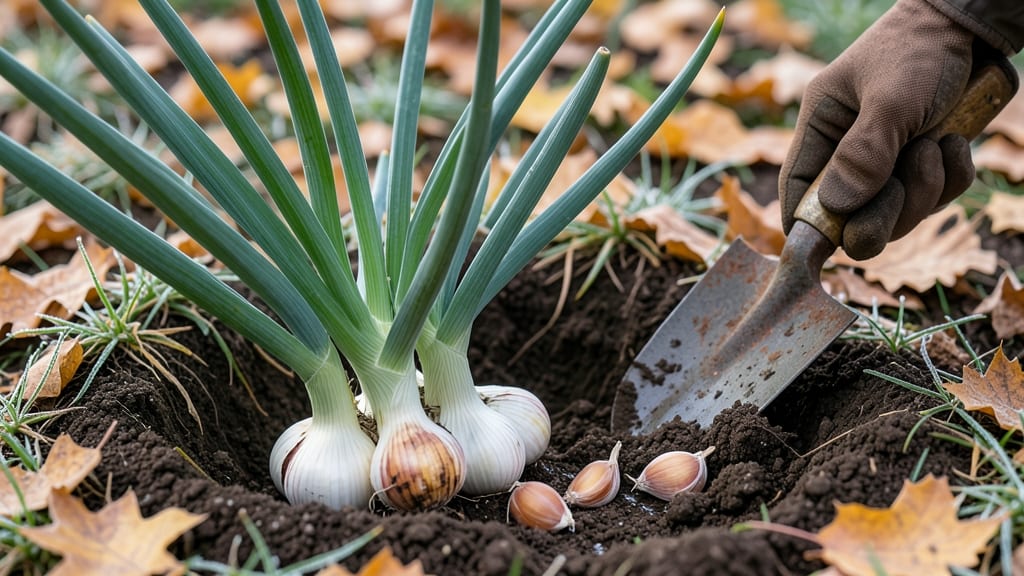
Virginia’s optimal garlic planting months by climate Zone
Virginia’s diverse climate—from the cool mountain highlands to the mild coastal plains—means garlic planting windows vary dramatically. The key is planting 4–6 weeks before the ground freezes, but exact timing depends on your USDA zone and microclimate.
For most gardeners, this falls between late September and early December, with adjustments needed for early or late frosts.
Hardneck varieties (like ‘Music’ or ‘German White’) need cold exposure to form bulbs, while softneck types (such as ‘Silverskin’) tolerate milder winters.
Coastal Virginia’s warmer winters delay planting until November or even December, while mountain regions may need to plant as early as mid-October to avoid heat stress before winter.
Here’s a breakdown of Virginia’s three key regions and their ideal planting windows to maximize bulb size and flavor:
| USDA Zone | Recommended Planting Window | Last Frost Date (Avg.) | Key Considerations |
|---|---|---|---|
| 5b-6a (Mountains) | October 15–November 15 | Mid-April | Hardneck varieties thrive; protect from late frosts with mulch. |
| 7a-7b (Piedmont) | October 1–November 10 | Mid-March | Balanced climate for softneck/artichoke types; avoid planting after Nov 10. |
| 8a (Tidewater/Coastal) | October 20–December 1 | Late February | Soil stays warmer longer; plant later to avoid winter flooding or bolting. |
If you’re unsure of your exact USDA zone, use the Virginia Cooperative Extension’s zone finder or check your average first frost date.
For example, Roanoke (Zone 7a) should plant by November 1, while Norfolk (Zone 8a) can wait until December 1—but no later, or you risk bolting (premature flowering).
Pro tip: Plant in the cooler parts of fall (early October or late November) to give garlic time to establish roots before winter. In urban heat islands (like Richmond), soil may stay too warm, so aim for early October planting even in Zone 7b.
For spring planting (less ideal but possible), plant in early February in Zones 7a-8a, but expect smaller bulbs compared to fall-planted garlic. Spring garlic is best for green garlic harvests or scallions rather than full bulbs.
Always test soil temperature before planting—garlic roots need 40–50°F soil to establish. Use a soil thermometer or dig down 6 inches to check. If soil is above 50°F, wait 1–2 weeks to avoid heat stress.
🌱
How to time garlic planting for maximum bulb size in Virginia
Timing garlic planting isn’t just about months—it’s about soil temperature, frost dates, and Virginia’s microclimates. In my garden, I’ve learned that planting too early or late can shrink bulb size by 30–50%. The key is balancing cold exposure with enough growing time before summer heat.
Virginia’s USDA zones 6a–8a create regional differences. For example, Zone 7a gardeners (like me in Charlottesville) should plant by November 1 to ensure bulbs mature before summer. But in Zone 8a (Tidewater), where winters are milder, I’d push planting to December 1 to avoid winter rains that rot bulbs.
Don’t overlook urban heat islands. City gardens like Richmond’s Zone 7b can be 5–10°F warmer than rural areas. I’ve seen garlic planted in November 15 bolt (flower) prematurely in pavement-heated soil. If you’re in a city, plant 2 weeks earlier than rural guidelines suggest.
For spring planting (a backup option), aim for February 1–15 in Virginia. This gives bulbs 120–150 days to mature before summer heat. But expect smaller yields—spring garlic is best for green shoots or small bulbs, not storage crops.
I’ve tried it twice, and while it grows, it’s never matched my fall-planted harvests.
Pro tip: Use garlic varieties suited to your zone. Hardnecks (like ‘Music’ or ‘German Red’) thrive in Virginia’s winters, while softnecks (like ‘Silverskin’) work better in milder Zone 8a.
I once planted softneck in Zone 7a—it survived but produced tiny bulbs. Match your variety to your coldest winter month!