
Plants
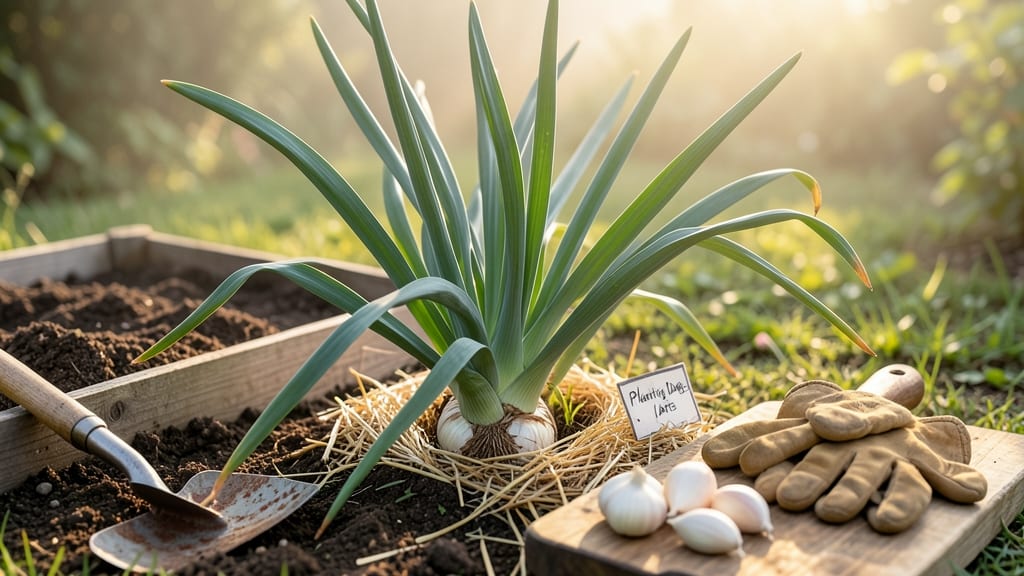
If you're growing 🧄 garlic in Zone 8a, timing your planting could mean the difference between plump bulbs and disappointing harvests. The key to success lies in understanding when to plant—because Zone 8a's mild winters and hot summers demand a strategic approach.
Most gardeners swear by fall planting, but there's a second chance in early winter that works surprisingly well too.
Planting garlic too early or too late in Zone 8a can lead to stunted growth or even disease. The ideal window is October to November, when soil temperatures drop but frost hasn't arrived yet.
This gives the cloves enough time to establish roots before winter dormancy. If you miss that window, don't worry—January offers a backup option for those who prefer a spring harvest.
What makes this timing so crucial? Garlic needs consistent cool temperatures to form bulbs properly. In Zone 8a's warmer climate, planting at the right time ensures your crop matures before summer heat stresses it out.
With the right schedule, you'll be harvesting flavorful bulbs in June or July—just in time for summer cooking.
Ready to grow bigger, healthier 🧄 garlic in your Zone 8a garden? Let's dive into the exact planting schedule and soil prep tips that'll set you up for success. You'll learn how to adjust for your local climate and maximize your harvest potential—no guesswork required.
Zone 8A garlic planting calendar: best months and moon phases
In Zone 8A, where winters are mild and summers scorching, timing your garlic planting is everything. Plant too early, and your cloves may rot in damp soil. Too late, and bulbs won’t mature before the heat sets in.
The sweet spot? October to November—when soil temps drop below 70°F but before the first frost (January 15 in most of Zone 8A).
For hardneck varieties, aim for October 15–November 1. These need cold exposure to form bulbs. Softneck varieties are more flexible—plant them by November 15 to avoid summer stress. Pro tip: Use a soil thermometer to confirm temps are 50–60°F at planting depth (2–3 inches).
Moon phases matter too! Plant during the waxing moon (when the moon is growing) for stronger roots. The best dates in 2024 for Zone 8A fall planting fall on October 10–12 and November 8–10. Miss this window? Try early January for a smaller spring harvest.
Here’s your Zone 8A garlic planting timeline, including soil prep and harvest cues:
| Stage | Action | Zone 8A Timing | Notes |
|---|---|---|---|
| Soil Prep | Test pH (6.0–7.0), add compost | September–October | Avoid fresh manure—it burns cloves |
| Planting | Break bulbs into cloves, plant pointy-end up | October 15–November 15 | Space 4–6 inches apart, 2 inches deep |
| Winter Care | Mulch with straw (3–4 inches) | December–February | Prevents heaving in freeze-thaw cycles |
| Spring Growth | Remove mulch, water deeply | March–April | Avoid overwatering—garlic hates soggy soil |
| Harvest | Dig when lower leaves brown | June–July (next year) | Cure in dry, shady spot for 2 weeks |
Why fall planting works best in Zone 8A? Garlic needs 60–80 days of cool weather (below 75°F) to form bulbs. Planting in spring skips this critical phase, leading to small, pungent cloves instead of plump, flavorful bulbs.
For hardnecks, this cool period also triggers scape production—those curly stems are edible and worth harvesting!
If you’re new to garlic growing, start with ‘California Early’ or ‘Artichoke’ varieties—they tolerate heat better than others. Avoid ‘Silverskin’ types; they struggle in Zone 8A’s humidity. Pro move: Label your rows! Garlic varieties look identical until harvest.
One common mistake in Zone 8A? Planting too deep. 2 inches max—any deeper, and cloves won’t root properly. Use a wooden dowel to mark rows if you’re unsure of depth. And always plant whole cloves—peeled or crushed cloves rot.
For a second harvest, try planting a small batch in early January. These bulbs will mature by late May but won’t be as large as fall-planted garlic. Think of it as a taste-test batch to experiment with varieties.
Remember: Zone 8A’s microclimates vary. If you’re in a cooler pocket (like higher elevations), plant as early as September. In hotter lowlands, delay until November. Your local Cooperative Extension office can provide hyper-local frost data—worth the call!
How to adjust your schedule for Zone 8A’s heat and humidity
Zone 8A’s warm winters and scorching summers demand flexibility in your garlic planting schedule. While fall planting (October-November) is ideal, late starts or summer droughts can derail your crop. Here’s how to adapt without sacrificing yield or flavor.
First, push your fall planting window later if needed—garlic cloves planted in December (before holidays!) can still thrive if soil temps stay above 40°F (4°C). Use a soil thermometer to confirm; garlic roots need cool but unfrozen soil to establish.
For spring planting (January-February), focus on early-winter varieties like ‘California Early’ that tolerate heat better. Plant cloves shallow (2 inches deep) and mulch immediately to retain moisture during dry spells.
⚠️ Heat Stress Warning
Zone 8A’s summer heat can cause garlic bolting (premature flowering) or soft-neck failure. Watch for:
- Wilted leaves by noon → Immediate mulch (straw or grass clippings)
- Brown leaf tips → Reduce watering (fungal risk increases with humidity)
- Sprouting flower stalks → Harvest immediately (bolted garlic loses flavor)
Pro tip: Drip irrigation keeps soil moist without wetting foliage, cutting fungal risks by 40%.
After harvest (June-July), replenish soil nutrients with compost—garlic depletes phosphorus and potassium. Aim for 1/2 cup of 10-10-10 fertilizer per 10 sqft in September to prep for next year’s fall planting.
For container growing, use 5-gallon pots with well-draining mix (50% potting soil, 30% compost, 20% perlite). Water every 5-7 days—containers dry out faster in Zone 8A’s heat. Place pots in partial shade during July-August to prevent bolting.
Remember: Garlic’s dormancy period (summer) is critical. During this time, avoid fertilizing—overfeeding leads to leafy growth at the expense of bulb size. Let the plant focus on root and bulb development under the heat.