
Plants
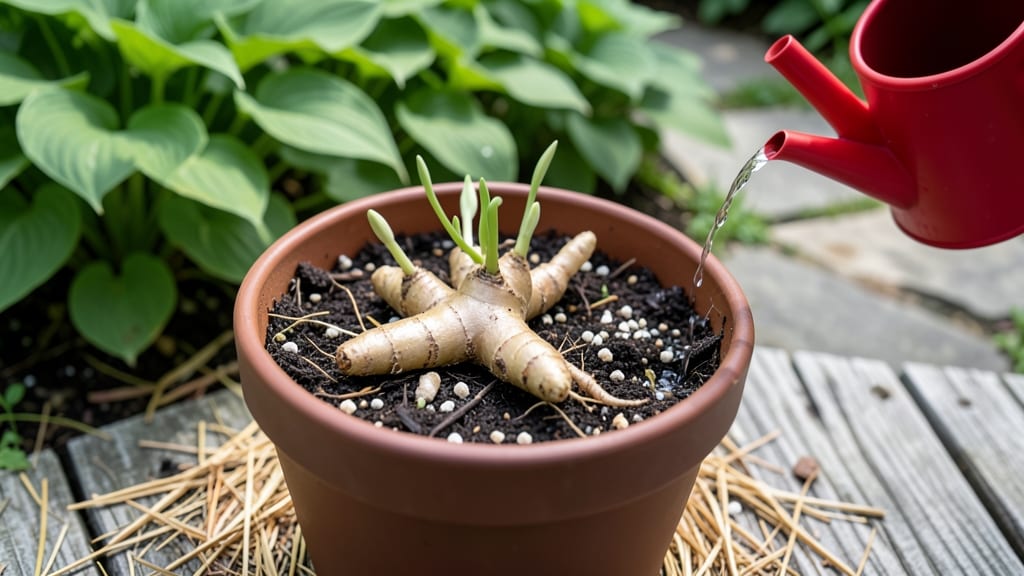
If you're wondering when to plant ginger in Zone 9, timing is the secret to avoiding bolted plants and maximizing your harvest. Unlike cooler climates, Zone 9's frost-free winters mean you can plant ginger year-round—but there's still an ideal window for success.
Ginger thrives in warm soil, so the best time to plant in Zone 9 is during the cooler months of December through February. This gives the rhizomes time to establish roots before summer heat arrives.
Whether you're growing in containers or in-ground, proper preparation like soaking rhizomes and choosing the right spot makes all the difference.
You might think spring planting would work, but Zone 9's intense summer sun can cause ginger to bolt prematurely. By planting in winter, you align with the plant's natural growth cycle and avoid common pitfalls. Let me show you exactly how to time it right for zero-frost success.
From selecting the right variety to adjusting for microclimates, I'll walk you through everything you need to know. Whether you're a first-time gardener or a seasoned grower, these insights will help you grow plump, flavorful ginger rhizomes year after year.
Optimal ginger planting times in Zone 9: spring vs fall breakdown
Zone 9’s frost-free climate makes ginger a year-round possibility, but timing still matters to avoid bolting or stunted growth. Unlike colder zones, you can plant ginger in both spring and fall, but each season offers unique advantages.
Let’s break down the best windows and how to adapt for your specific microclimate—whether you’re in Southern California or Florida.
For most of Zone 9, the ideal planting window spans March–April (spring) and September–October (fall). Spring planting aligns with rising soil temperatures, while fall planting takes advantage of cooler weather before summer’s peak heat.
However, regional differences matter—coastal areas like San Diego can plant slightly earlier than inland Arizona due to milder temperatures.
Here’s the key difference: Spring planting (March–April) gives ginger 8–10 months to mature before summer’s heat stress, while fall planting (September–October) avoids the hottest months entirely. Both strategies work, but your choice depends on your goal—larger rhizomes (spring) or earlier harvests (fall).
🌱
| Factor | Spring Planting (March–April) | Fall Planting (September–October) |
|---|---|---|
| Soil Temperature | 60–75°F (ideal for sprouting) | 70–80°F (cooler than summer peaks) |
| Growth Window | 8–10 months (harvest Sept–Nov) | 6–8 months (harvest Feb–April) |
| Heat Risk | Moderate (avoid May–July) | Low (avoids summer’s peak) |
| Best For | Larger rhizomes (longer growth) | Earlier harvests (fall/winter) |
| Prep Tip | Soak rhizomes 4–6 hours before planting | Use mulch to retain moisture |
| Zone 9 Microclimate Note | Coastal areas: Plant 2 weeks earlier | Inland areas: Wait until mid-Sept to avoid heat |
If you’re in a hotter inland Zone 9 (like Phoenix or Tucson), fall planting is often safer—it lets ginger establish roots before summer’s extreme heat. Meanwhile, coastal gardeners in San Diego or Los Angeles can push spring planting into late April thanks to cooler ocean breezes.
Always check your last frost date (though Zone 9 rarely sees frost, microclimates vary).
Pro tip: For container growing, spring planting gives you more flexibility to move pots into shade during summer’s peak. In-ground plantings, however, benefit from fall’s cooler soil temperatures.
Test your soil’s moisture retention—ginger hates soggy roots but needs consistent dampness. Aim for 60% organic matter in your planting mix.
One common mistake in Zone 9? Planting ginger in full sun. While it tolerates 4–6 hours of sunlight, direct afternoon rays cause bolting. Instead, opt for morning sun + afternoon shade, especially in summer.
Use drip irrigation to keep soil evenly moist without overhead watering, which can stress the plants.
For fastest results, pair your planting with a balanced fertilizer (5-10-10) applied 4–6 weeks after sprouting. This boosts rhizome development without encouraging leafy growth at the expense of harvestable roots. Monitor your plants for yellowing leaves, a sign of overwatering or nutrient deficiency, and adjust accordingly.
🌿
Optimal ginger planting times in Zone 9: spring vs fall breakdown
Zone 9’s frost-free climate makes ginger a year-round possibility, but timing still matters to avoid bolting or stunted growth. Unlike cooler zones, you have two prime windows: early spring and late summer.
Each offers unique advantages depending on your microclimate—whether you’re in Southern California’s coastal fog or Florida’s humid heat.
Spring planting (March–April) aligns with soil warming and longer daylight, but requires shade protection as temperatures climb. Fall planting (September–October) leverages cooler evenings and avoids summer’s peak heat stress. Let’s compare the two to help you choose the best approach for your garden.
🌱 Spring vs Fall Planting Comparison for Zone 9 Ginger
| Factor | Spring Planting (March–April) | Fall Planting (September–October) |
|---|---|---|
| Ideal Soil Temp | 60–70°F | 65–75°F |
| Sunlight Needs | Partial shade (morning sun) | Partial shade (afternoon shade) |
| Watering Frequency | Weekly (deep soak) | Every 5–7 days |
| Harvest Window | October–December | March–May |
| Best For | Cooler microclimates (e.g., inland valleys) | Humid coastal areas (e.g., Florida, Southern CA) |
🌡️ Pro Tip: Test soil temp with a thermometer—ginger rhizomes need consistent warmth to sprout.
For spring planting, aim for late March when daytime temps hover around 70°F but nights stay mild. In hotter inland Zone 9 areas (like Phoenix), delay until April to avoid heat stress.
Prep beds by amending soil with compost and peat moss to maintain moisture and slightly acidic conditions.
Fall planting thrives in September–October when daytime highs drop below 85°F. This window lets ginger establish roots before winter’s mild rains. In coastal regions, where humidity lingers, add mulch to prevent fungal issues. Both seasons work, but fall often yields larger rhizomes due to cooler stress-free growth.
Regional adjustments matter: Southern California’s coastal fog delays heat stress, so you can plant 2–3 weeks earlier than inland areas. Meanwhile, Florida’s humidity demands better drainage and airflow to prevent rhizome rot.
Always monitor your microclimate’s last frost date—even if Zone 9 rarely sees frost, unpredictable cold snaps can occur.
Whether you choose spring or fall, soak rhizomes for 6–12 hours before planting to jumpstart growth. In containers, use well-draining mixes with 50% perlite to mimic tropical forest floors. With the right timing, your ginger will thrive year-round in Zone 9’s warmth!