
Plants
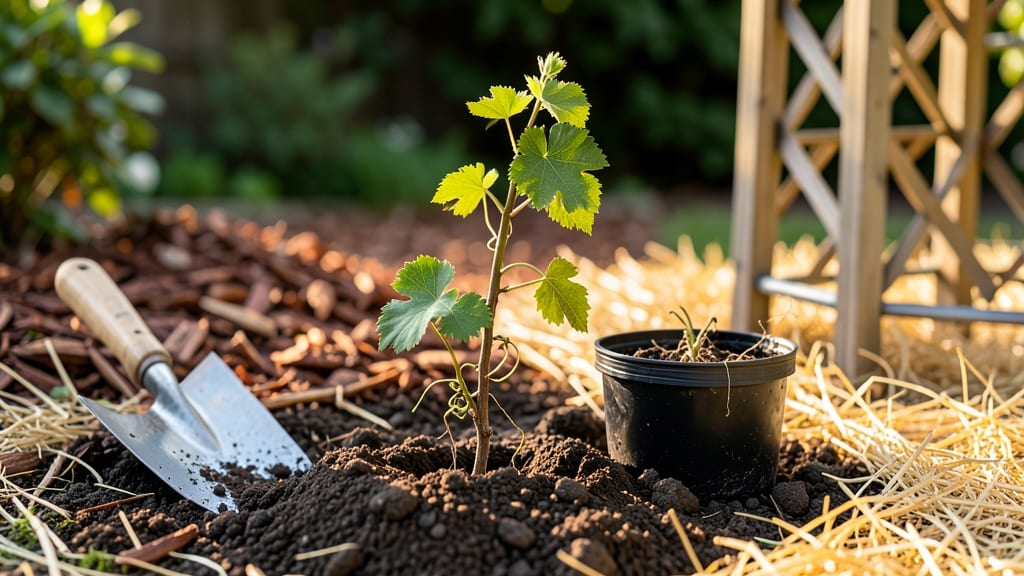
When to plant grape vines in Georgia isn’t just about picking a month—it’s about matching your variety to the 300–900 chill hours your region delivers. Whether you’re eyeing Muscadines in Savannah or Cabernet Sauvignons near Atlanta, timing can make or break your harvest. The late winter to early spring window (February–March) is your sweet spot, but frost dates and soil prep twist the rules depending on where you’re planting.
Think you can just toss a grape vine into the ground and call it a day? Not in Georgia’s 7b–8b zones, where a single late frost can turn your $50 investment into a sad, blackened mess.
That’s why I’m breaking down the exact chill-hour zones—so you know whether to plant dormant vines in February or wait until March for bare-root varieties. Spoiler: Muscadines are tougher than Vinifera, but even they need the right timing.
Here’s the game-changer: plant 4–6 weeks before your last frost (usually mid-March in most of Georgia) to give roots time to anchor before the heat hits. But if you’re in the Piedmont, where nights still dip into the 30s°F in March, you might need to adjust.
I’ll walk you through the soil prep, trellis tricks, and even which varieties thrive in your specific microclimate—so you’re not guessing when to dig.
Ready to grow grapes that burst with flavor instead of wilting under the sun? Let’s cut through the confusion and get your 🍇 vines off to the best possible start—no more wasted seasons, just sweet, juicy rewards by harvest time.
Georgia’s grape planting timeline by chill-hour zones
Georgia’s climate varies dramatically from the Coastal Plain to the Piedmont and Blue Ridge Mountains, creating distinct chill-hour zones that dictate when to plant grape vines.
These zones—300–600 chill hours, 600–900 chill hours, and 900+ chill hours—determine which varieties thrive and when you should plant them for optimal success.
For example, Muscadine grapes (native to Georgia) flourish in the 300–600 chill-hour zone (common in Savannah or Brunswick), while Vinifera varieties like Cabernet Sauvignon need 900+ chill hours (found in the Blue Ridge region near Dalton). Planting outside these zones risks poor fruit set or vine stress.
Most Georgia growers plant grape vines in late winter to early spring, specifically February through March, to align with dormancy periods and avoid frost damage. However, the exact timing depends on your chill-hour zone and whether you’re planting bare-root vines or potted vines.
Bare-root vines—typically sold dormant—should be planted 4–6 weeks before your last expected frost date (usually mid-March in most of Georgia). Potted vines, which are already established, can be planted a few weeks later, around early April, to give roots time to acclimate before the heat of summer arrives.
Soil preparation is just as critical as timing. Georgia’s clay-heavy soils (common in the Piedmont) drain poorly, while sandy soils (found in the Coastal Plain) dry out quickly.
Before planting, amend your soil with compost or aged manure to improve drainage and fertility. Aim for a pH of 6.0–6.5, as grapes prefer slightly acidic conditions.
If you’re planting in frost-prone areas (like the Blue Ridge), choose a south-facing slope to maximize sunlight and reduce frost pockets. For low-chill zones (e.g., Savannah), opt for heat-tolerant varieties like Muscadine, which handle Georgia’s humidity better than European Vinifera grapes.
After planting, mulch heavily (3–4 inches of straw or wood chips) to retain moisture and regulate soil temperature. This is especially important in drought-prone months like June and July, when Georgia’s heat can stress young vines.
Water deeply once a week for the first month, then taper off as roots establish.
One common mistake is planting too early in areas with late frosts (e.g., north Georgia). Always check your local frost dates—the Georgia Automated Environmental Monitoring Network (GAEMN) provides real-time data.
For example, Dalton (900+ chill hours) may have frosts until April 15, while Savannah (300–600 chill hours) rarely sees frost after February 28.
For container growing (common in urban Atlanta or Athens), plant in large pots (15+ gallons) and use a well-draining potting mix. Containers warm up faster in spring, so delay planting until mid-April to avoid heat stress. Use a trellis system even in containers to support vine growth.
Remember, grape vines are perennial, meaning they’ll produce fruit for decades if planted correctly. By matching your chill-hour zone to the right variety and planting at the optimal time, you’ll set your vines up for a bountiful harvest—whether you’re growing for wine, juice, or fresh eating. 🍇
Best grape varieties for Georgia’s climate and when to plant them
Georgia’s diverse climate thrives with the right grape varieties—each adapted to specific chill-hour zones and planting windows. Whether you’re growing Muscadines for juicing or Vinifera for wine, timing is everything. Let’s match your favorite grapes to Georgia’s three chill-hour zones (300–600, 600–900, 900+) and their ideal planting months.
For low-chill areas (300–600 hours), like coastal Georgia, Scuppernong and Carlos Muscadines shine. Plant them in February–March to avoid late frosts. In moderate-chill zones (600–900 hours), like Atlanta, Norton and Cynara thrive when planted in late winter (January–February).
High-chill areas (900+ hours) in the Blue Ridge can grow Cabernet Sauvignon or Chardonnay, best planted in March–April.
| Variety | Chill Hours | Best Planting Month | Yield Expectations | Georgia Regions |
|---|---|---|---|---|
| Scuppernong | 300–500 | February–March | High (juicing) | Coastal (Savannah) |
| Norton | 600–900 | January–February | Moderate (wine) | Piedmont (Atlanta) |
| Cabernet Sauvignon | 900+ | March–April | High (wine) | Blue Ridge (Dahlonega) |
| Carlos | 300–500 | February–March | Very High (table grapes) | Coastal (Brunswick) |
| Chardonnay | 900+ | March–April | Moderate (wine) | North Georgia |
If you’re in North Georgia, prioritize Vinifera varieties like Merlot or Sauvignon Blanc, which need 900+ chill hours. Plant them in March to align with bud break.
For Central Georgia, hybrids like Cynthiana (Norton) are perfect, with planting in late winter ensuring strong root growth before heat sets in.
Pro tip: Bare-root vines should be planted in dormant season (December–February), while potted vines can go in spring (March–April). Always check your local frost dates—Georgia’s last frost varies from mid-March in Savannah to late April in the mountains.
For Muscadines, which are native to Georgia, February is ideal—plant after the winter chill but before spring warmth triggers early growth. These vines are heat-tolerant and drought-resistant, making them low-maintenance once established.
Remember: Soil prep matters just as much as timing. Amend clay-heavy Georgia soils with compost and sand for drainage. Plant in well-draining soil with a pH of 6.0–6.5 for optimal growth.
Pair your variety with the right trellis system—Muscadines need high support, while Vinifera benefits from spreaders.