
Plants
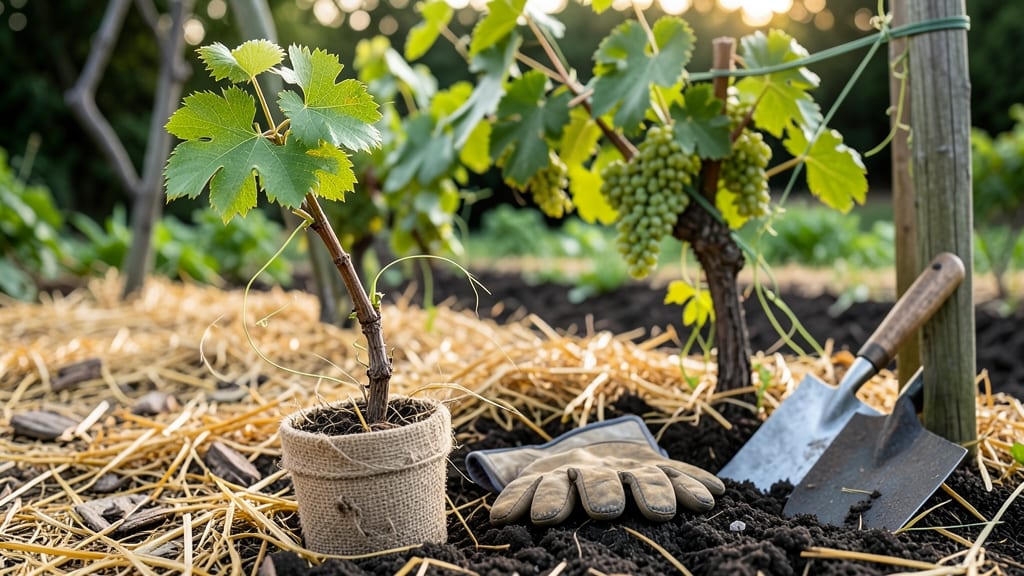
Timing your 🍇 grapes planting in Florida isn’t just about the calendar—it’s about outsmarting the state’s brutal heat, unpredictable storms, and sandy soil that drains faster than a summer rainstorm.
Plant too early, and your vines will bake in the sun; too late, and they’ll struggle to establish roots before hurricane season hits. The sweet spot? Late winter to early spring, when soil temperatures hit that 60-70°F range—critical for root growth without overwhelming heat stress.
Most gardeners in Florida’s 8a-11 zones swear by February to March as the magic window, but here’s the catch: Northern Florida’s cooler pockets (like Gainesville) can handle early February plantings, while South Florida’s steamy climate demands waiting until March or even April.
I’ll break down the exact heat-zone rules so you don’t end up with wilted vines by May’s 90°F+ days—because nobody wants to nurse a failed vineyard through a Florida summer.
What you’ll discover isn’t just when to plant—it’s how to prep your soil, pick the right heat-tolerant varieties (like muscadines or ‘Blanco’), and avoid the top 3 mistakes that turn Florida’s growing season into a gamble.
Whether you’re a backyard homesteader or dreaming of a commercial vineyard, these steps will give your grapes the fighting chance they need to thrive in the Sunshine State’s chaos.
Let’s cut to the chase: Skip the guesswork and follow this heat-zone timeline to transplant your grapes with confidence—because in Florida, the difference between a bumper crop and a bust is often just a matter of weeks, not years. Ready to plant like a pro?
Florida heat-zone planting timeline: best months by region
Florida’s three distinct heat zones create wildly different planting windows for grapes. In North Florida (Zones 7b-8a), like Jacksonville or Gainesville, your last frost date typically falls around January 15, giving you a narrow window to plant before summer’s brutal heat arrives.
Meanwhile, Central Florida (Zones 8b-9a), including Orlando and Tampa, enjoys a longer frost-free period with ideal conditions stretching from February through April.
And in South Florida (Zones 10a-11), like Miami or Fort Lauderdale, you can plant year-round, but late winter to early spring still offers the best balance of soil warmth and humidity control.
Timing isn’t just about avoiding frost—it’s also about beating Florida’s extreme heat. Grapes transplant best when soil temperatures hover between 60°F and 70°F. In North Florida, aim for mid-February to early March when daytime highs are still mild.
For Central Florida, late February to mid-April is your sweet spot, while South Florida gardeners can plant November through March to avoid the worst summer humidity spikes. Miss these windows, and your vines face transplant shock or fungal diseases like black rot.
Here’s the critical detail: hurricane season (June-November) adds another layer of risk. Planting too late in South Florida means exposing young vines to storm damage and waterlogged soil.
Meanwhile, North Florida’s shorter growing season demands you start vines indoors or in containers 6-8 weeks before your target transplant date to give roots a head start.
If you’re in North Florida, don’t wait until March—soil can warm too quickly, and your vines may bolt (send up shoots too fast). Instead, pre-warm your soil by covering beds with black plastic for 2-3 weeks before planting.
For Central Florida, align your schedule with blooming azaleas (a natural sign spring’s arrived). In South Florida, November planting gives vines time to establish roots before summer’s torrential rains hit.
Another critical factor? Rainfall patterns. Florida’s wet season (June-October) can drown young grape roots, so avoid planting in areas prone to poor drainage. Instead, choose slightly elevated sites or amend heavy clay soil with compost and sand to improve aeration.
And if you’re in hurricane-prone zones, opt for sturdy trellis systems to protect vines from wind damage.
For container growing, which is ideal for South Florida’s heat, plant in large pots (15+ gallons) and use a fast-draining mix of 50% peat moss, 30% perlite, and 20% compost.
Move containers to partial shade during peak summer afternoons (12 PM–4 PM) to prevent leaf scorch. In North Florida, overwinter containers in a protected garage or under a thick mulch layer to shield roots from freezing temps.
Finally, local nurseries are your best resource for region-specific advice. Ask about disease-resistant rootstocks like ‘Freedom’ or ‘41B’, which thrive in Florida’s humidity. And if you’re buying bare-root vines, soak roots for 4-6 hours before planting to rehydrate
How to prepare grapes for Florida’s extreme transplant shock
Transplanting grapevines in Florida isn’t just about picking a month—it’s about surviving the shock of Florida’s sandy soil and humidity. Without proper prep, your vines will wilt under the 90°F+ heat or succumb to fungal diseases like black rot.
My secret? A 3-step acclimation process that hardens vines before they hit Florida’s brutal conditions.
Start with root-pruning 4-6 weeks before transplanting. This forces new root growth, making vines hardier and faster-recovering. For container-grown vines, reduce watering 2 weeks before moving to mimic Florida’s dry spells. This trick tricks the vine into thinking it’s already in drought conditions.
- Test soil pH—grapes thrive at 6.0-6.5. Florida’s sandy soil? Amend with compost and sulfur if needed.
- Dig a 12-inch-deep hole and mix in aged manure or well-rotted leaves for organic matter.
- Avoid fresh mulch—it rots too quickly in Florida’s heat. Use pine straw instead.
Next, acclimate vines gradually to Florida’s sun. If moving from a shady nursery, expose them to partial sun for 3 days before full 6+ hours of direct light. Skip this, and you’ll risk sunburned leaves—a common mistake in Florida’s intense UV.
After transplanting, shade vines for 1 week using 50% shade cloth. This reduces stress while roots establish. Water deeply every 3-4 days—Florida’s heat dries soil fast. Use a drip irrigation system to keep moisture consistent.
Watch for transplant shock signs: yellowing leaves, wilting, or stunted growth. If you see these, trim 1/3 of the foliage to redirect energy to root growth. Also, apply a fungicide like copper spray to prevent black rot, Florida’s #1 grape killer.
Finally, mulch heavily with pine bark to retain moisture and regulate soil temps. In Florida’s heat, mulch can lower soil temps by 10°F, giving roots a fighting chance. With these steps, your vines will survive—and thrive—in Florida’s extreme climate. 🍇