
Plants
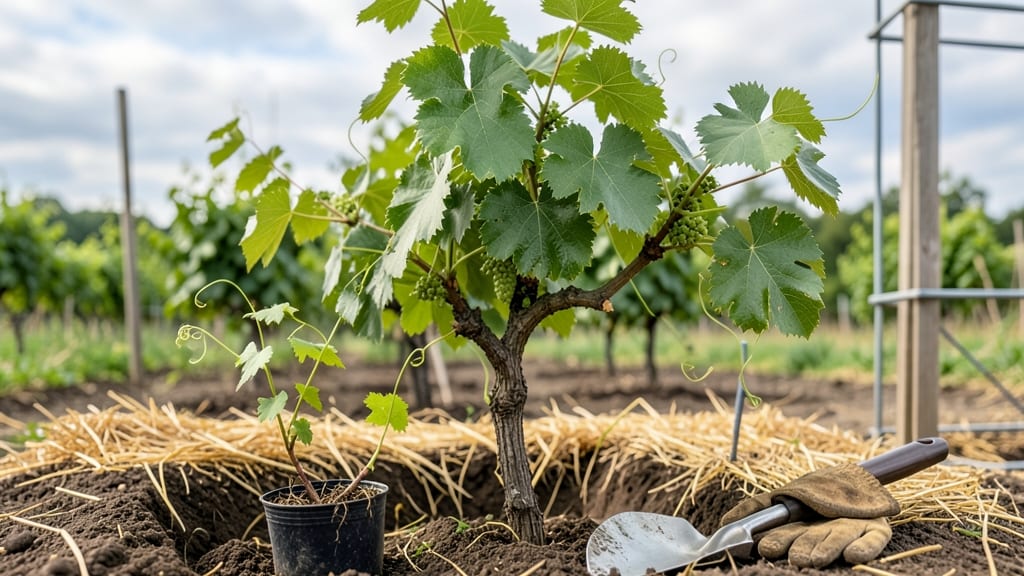
Timing your grape planting in North Carolina wrong could mean the difference between a bountiful harvest and years of struggling vines.
With USDA zones 6a-8b offering two ideal windows—late winter to early spring or fall—you’ve got options, but getting it right matters. Whether you’re growing muscadines or vinifera, chill-hour requirements and frost dates dictate the best time to plant your 🍇 vines for maximum success.
I’ll break down the exact planting windows for your region, from Piedmont’s cooler climates to Coastal Plain’s milder zones. You’ll learn how to match grape varieties to chill hours, avoid frost risks, and set up your vines for the best possible yield from day one.
Ready to turn your grape dreams into reality? Let’s get those vines in the ground at the perfect moment.
North Carolina chill-hour zones: when to plant grapes by region
North Carolina’s diverse climate creates distinct chill-hour zones, ranging from 400 hours in the Coastal Plain to 1,200+ hours in the Mountains. These chill hours (temperatures between 32°F and 45°F) determine which grape varieties thrive in your area—and when to plant them.
For example, muscadine grapes (native to NC) need only 400-600 chill hours, while vinifera grapes (like Cabernet Sauvignon) require 800-1,200 chill hours. Planting at the wrong time—like in Zone 7a with a vinifera variety—can stunt growth or kill your vines entirely.
Below is a breakdown of NC’s key chill-hour zones and the ideal planting windows for each. Use this to match your grape variety to your microclimate and avoid costly mistakes.
🌱
🌱 NC Chill-Hour Zones & Planting Windows
| Zone | Chill Hours | Best Varieties | Planting Window | Last Frost Date |
|---|---|---|---|---|
| Coastal Plain (Zone 8a-8b) | 400-600 | Scuppernong, Catawba, Muscadines | Late Feb - Early April | March 1-15 |
| Piedmont (Zone 7a-7b) | 600-800 | Norton, Cynthiana, Blanc Du Bois | Mid-Feb - Mid-April | March 15-April 1 |
| Mountains (Zone 6a-6b) | 800-1,200+ | Chardonnay, Merlot, Riesling | Late March - Early May | April 15-May 1 |
💡 Pro Tip: Fall planting (September-October) works too—just ensure soil temps stay above 50°F for root growth.
If you’re in the Coastal Plain, aim for late February planting to beat the March 1 average last frost. Meanwhile, Mountains gardeners should wait until late March to avoid late spring frosts that can damage new shoots.
For fall planting, September is ideal in most zones, but avoid planting after October 15—vines need 6-8 weeks to establish roots before winter dormancy. Soil temperatures below 50°F can stunt root growth, so use a soil thermometer to check.
🌿
Another critical factor is microclimates. Even within a zone, urban heat islands or sheltered valleys can shift chill hours by 100+ hours. For example, a vinifera vine in Asheville (Zone 7b) might thrive where one in Raleigh (Zone 7a) struggles due to urban warmth.
To account for this, I recommend monitoring local frost dates for 3 years before planting. Use resources like the NC State Climate Office or local Cooperative Extension offices for hyper-local data. They’ll help you fine-tune your planting window based on historical frost patterns.
For container growing (common in urban NC), plant 2-3 weeks earlier than ground planting—containers warm up faster in spring. Just ensure your pot has drainage holes and you’re using a well-draining potting mix to prevent root rot.
✂️
Best grapes for NC climates: chill-hour matching for high yields
North Carolina’s diverse climate means not all grape varieties thrive equally. Matching chill-hour requirements to your region is key to avoiding late frosts and maximizing yields. For example, muscadine grapes (native to NC) need 400-600 chill hours, while vinifera varieties (like Cabernet Sauvignon) require 800-1,200 chill hours.
Choosing the wrong variety can lead to poor fruit set or no harvest at all.
Here are the top 5 grape varieties ranked by chill-hour compatibility, along with their expected yield timelines and frost-risk considerations. I’ve included my personal recommendations based on years of growing in NC’s Piedmont and Coastal Plain regions.
🍇 Grape Variety Chill-Hour Matching Guide
For Coastal Plain regions (e.g., Wilmington), Scuppernong and muscadines are my top picks—they handle warmer winters and humid summers like a champ. In the Piedmont (e.g., Raleigh), Norton and Catawba shine with their higher chill-hour tolerance and reliable yields.
If you’re in Zone 8b or higher, consider Cabernet Franc for bold reds, but be prepared for longer wait times before harvest.
Pro tip: If you’re unsure about your chill-hour zone, check the NC State Climate Office or use a chill-hour calculator like the one from University of Arkansas.
I’ve also found that planting in fall (September-October) gives vines a head start on root growth before winter, which helps them survive late frosts better than spring plantings