
Plants
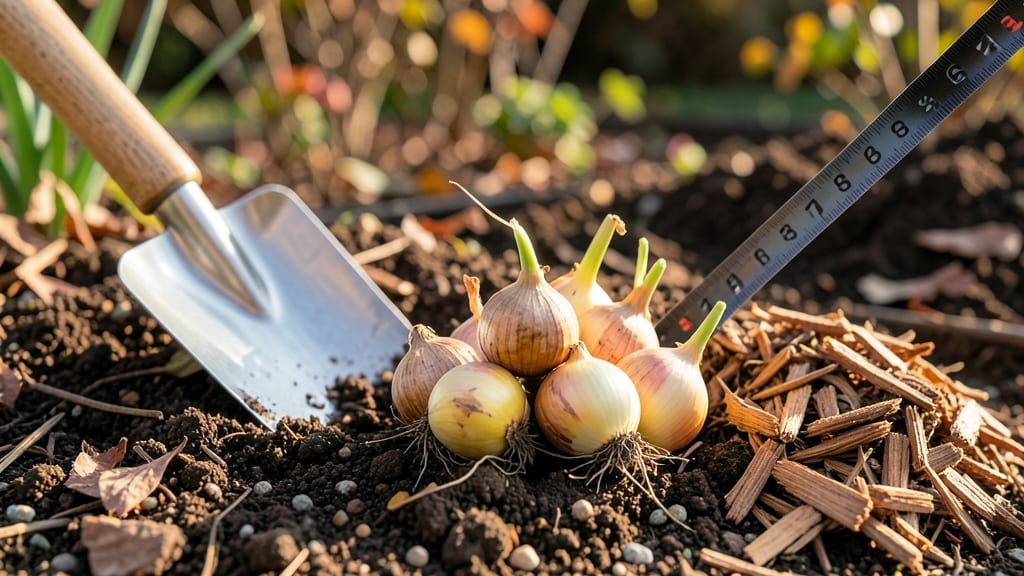
Planting your daffodil bulbs in the fall is the secret weapon for a showstopping spring garden—but get the timing wrong, and you might as well toss them in the trash.
These hardy blooms need 6 weeks before frost to root properly, and missing that window means weak stems or no blooms at all.
I’ve learned the hard way that patience pays off with daffodils. While some gardeners rush to plant as soon as bulbs hit the store, the real magic happens when soil temperatures dip to 50°F or below.
That’s when bulbs wake up just enough to send down roots before winter sets in.
Here’s the game-changer: USDA Zone 6a gardeners should aim for late September to early October, but don’t stress if you’re a week early or late—just make sure the ground isn’t frozen solid.
With the right prep (drainage, loose soil, and a sprinkle of fertilizer), your 🌼 daffodils will reward you with bold, cheerful blooms by March.
Let’s break down exactly how to time it right, from soil checks to bulb depth, so you’re not guessing when spring arrives. Trust me, your future self will thank you when those first golden trumpets push through the snow.
Optimal fall planting timeline for daffodil bulbs by US hardiness zones
Timing is the secret to successful daffodil bulb planting in the fall. Plant too early, and roots won't establish before winter. Too late, and bulbs won't survive the cold.
The ideal window is 6-8 weeks before your first frost, when soil temperatures drop to 40-50°F. This gives roots time to anchor before dormancy sets in.
Your USDA hardiness zone dictates the exact planting window. In Zone 3-4, where winters are harsh, aim for late August to early September. In milder Zone 7-8, you can plant as late as November. Always check your local frost dates to adjust timing accordingly.
Use a soil thermometer to confirm readiness. Plant when soil temps consistently stay below 60°F. This ensures bulbs won't sprout prematurely, which can kill tender shoots in early frost. For most regions, this translates to September-October as the sweet spot.
| USDA Zone | Planting Window | Soil Temp Threshold | Key Consideration |
|---|---|---|---|
| 3-4 | Late August - Early September | 40-45°F | Early frost risk; use mulch |
| 5-6 | Mid-September - Early October | 45-50°F | Moderate frost; ideal timing |
| 7-8 | October - Early November | 50-55°F | Mild winters; late planting OK |
| 9-10 | November (early) | 55-60°F | Minimal chill; plant ASAP |
Adjust your planting date if your fall is unusually warm or cold. For example, if your area experiences an Indian summer with unseasonably warm temperatures, hold off until soil cools. Conversely, if early frosts are predicted, plant sooner to give roots time to establish.
In Zone 3-5, prioritize chill-resistant varieties like 'Ice Follies' or 'Tête-à-Tête'. These need 40-50°F soil for 6-8 weeks to trigger blooming. Plant them 4-6 weeks before ground freezes—typically by mid-September in these zones.
For Zone 6-8, you have more flexibility. Plant in October when soil temps drop below 60°F. This later window works because milder winters reduce frost risks. Just avoid planting when soil is still warm, as bulbs may sprout too early.
Pro tip: Mark your calendar 6 weeks before your average first frost date. This is your deadline for planting. Use a frost date calculator (like the Old Farmer's Almanac tool) to pinpoint the exact window for your location.
After planting, apply 2-3 inches of mulch to insulate bulbs. This protects them from freeze-thaw cycles that can damage emerging roots. In Zone 3-4, use straw or shredded leaves—avoid dense mulch that traps moisture and causes rot.
Remember: Fall-planted daffodils need winter chill to bloom. Without it, bulbs may produce fewer or no flowers. This is why timing matters—plant too late, and they won't get enough cold exposure to trigger spring blooms.
Optimal fall planting timeline for daffodil bulbs by US hardiness zones
Timing your daffodil bulb planting depends entirely on your USDA hardiness zone. The golden rule? Plant when soil temperatures drop to 50°F (10°C)—this triggers root growth before winter dormancy.
In Zone 6a, that’s typically late September to early October, but zones with earlier frosts (like Zone 3) need bulbs in the ground by mid-September.
I always check my local frost dates and count backward 6 weeks—this gives bulbs enough time to establish roots before the ground freezes. For example, if your first frost is November 15, aim to plant by October 15.
Pro tip: Use a soil thermometer to confirm—bulbs won’t root if the ground is still warm.
| Zone | Ideal Planting Window | Soil Temp Threshold | Key Adjustment |
|---|---|---|---|
| 3-4 | Mid-August to early September | 40-45°F (4-7°C) | Plant early to avoid early frosts |
| 5-6 | Late September to mid-October | 50°F (10°C) | Standard window for most gardeners |
| 7-8 | October to early November | 55-60°F (13-16°C) | Can plant later; milder winters |
Don’t panic if your zone isn’t listed here—just adjust based on your last frost date. For example, in Zone 7, you might still plant by late November, but bulbs need 4-6 weeks of cool soil to root.
If your ground stays warm late, hold off until temperatures consistently dip below 60°F (16°C).
One mistake I made early on was planting too late in Zone 6a—my bulbs sprouted in spring but flopped over because roots weren’t established. Now, I mark my calendar for October 1st as the cutoff, unless soil temps drop earlier.
Mulch with straw or leaves after planting to insulate bulbs from freezing-thaw cycles.
For container gardening, the timeline shifts slightly. Plant potted daffodils 2-3 weeks earlier than in-ground bulbs since pots cool faster. Use a thermometer in the soil to confirm readiness—containers can fool you with surface temps that don’t reflect root-zone conditions.
Remember, daffodils are chill-resistant, but they still need time to adjust. If you’re in Zone 3 and your ground freezes by October 15, plant by September 15—no exceptions. The goal is root establishment before dormancy, not blooms before winter.