
Plants
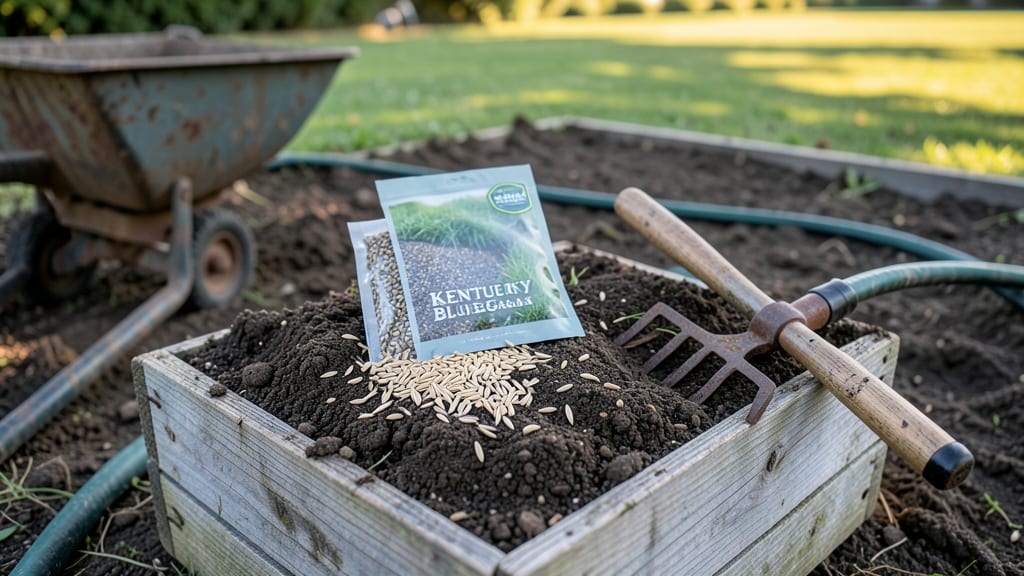
Optimal fall planting windows by region: when to seed before frost
Fall is the perfect time to plant grass seed because cooler temperatures and increased rainfall create ideal conditions for germination. But timing is everything—plant too early, and weeds take over; too late, and frost kills new growth.
The golden window is 4-6 weeks before your first frost date, giving grass roots time to establish before winter dormancy.
Your region plays a huge role in determining the best planting dates. Northern climates with early frosts (like USDA Zones 3-5) need to seed by mid-September, while Southern zones (like Zones 7-9) can extend planting until late October or early November.
Transition zones (like Zones 6-7) fall right in the middle, with ideal planting between late September and mid-October.
Here’s how to pinpoint your exact planting window using local frost data and seasonal cues:
For example, if you’re in Zone 5 with a first frost on October 15th, aim to plant by September 15th. In Zone 8, where frost arrives November 10th, you can seed until October 15th without risk.
Always check your local Almanac’s frost calendar for precise dates, as microclimates can shift windows by weeks.
Pro tip: Use a soil thermometer to confirm temperatures align with your region’s guidelines. Grass seed needs 50-70°F soil temps to germinate—any colder, and growth slows dramatically. If temps drop below 40°F at night, delay planting until conditions improve.
Another key factor is daylight hours. Cool-season grasses thrive when days grow shorter, typically after Labor Day. Planting before this can trigger weed dominance, while waiting too long risks frost damage. Balance these cues with your local frost data for foolproof timing.
Regional adjustments also apply to watering needs. Northern climates often see steady rainfall in fall, reducing irrigation needs, while Southern zones may require supplemental watering to offset drier air. Always water deeply 2-3 times per week after planting to keep soil moist but not soggy.
Don’t overlook overseeding existing lawns—this is where fall truly shines. Cool-season grasses like tall fescue and Kentucky bluegrass fill in thin spots beautifully when planted in fall.
Mow your lawn short (1.5 inches) before seeding to create space for new growth, then apply a light topdressing of compost to improve soil contact.
Finally, watch for local weather patterns like early cold snaps or unexpected heatwaves. If a 5-day forecast predicts temps below 45°F, pause planting until conditions stabilize. Flexibility is key—your goal is 6-8 weeks of growth before frost, not rigid calendar dates.
By aligning your planting schedule with these regional guidelines, you’ll give your grass seed the best shot at establishing a thick, resilient lawn before winter sets in. 🌱
Signs your soil is ready for fall grass seed planting
Before you rush to spread grass seed in the fall, your soil needs to be in the perfect condition for germination. Cool temperatures and moisture levels are critical—planting too early or too late can leave your seed struggling.
I’ve learned the hard way that even the best grass seed won’t thrive if the soil isn’t ready!
One of the first signs your soil is ready is a soil temperature between 50°F and 65°F. Use a soil thermometer to check—this range gives seeds the ideal environment to sprout without overheating.
If your soil is still warm (above 70°F), wait a few weeks for temperatures to drop naturally.
🌱
⚠️ Common Mistakes to Avoid
- Planting too early: Warm soil can cause seeds to rot before sprouting.
- Ignoring soil moisture: Dry soil prevents seeds from absorbing water.
- Skipping soil prep: Compacted or rocky soil blocks root growth.
Pro Tip: Test your soil’s pH level—aim for 6.0 to 7.5 for optimal grass growth.
Another key indicator is daylight hours. As fall progresses, days grow shorter, signaling your grass seed that it’s time to establish roots before winter. If you’re in a northern climate, aim to plant 4-6 weeks before the first frost.
In southern regions, you might have a bit more flexibility, but avoid planting when nights are consistently below 40°F.
Check for soil moisture by digging a small hole—if the soil feels damp but not soggy, it’s ready. Overwatering can suffocate seeds, while dry soil will leave them thirsty. A light misting in the morning is often enough to keep seeds hydrated without drowning them.
Finally, remove any debris or weeds from your lawn before planting. A clean surface ensures your grass seed makes direct contact with the soil, improving germination rates. Use a rake to loosen the top layer of soil and create a smooth bed for planting.
Once you’ve confirmed these signs, your soil is ready to welcome new grass. The key is patience—wait for the right conditions, and your lawn will reward you with thick, vibrant growth come spring. 🌿