
Plants
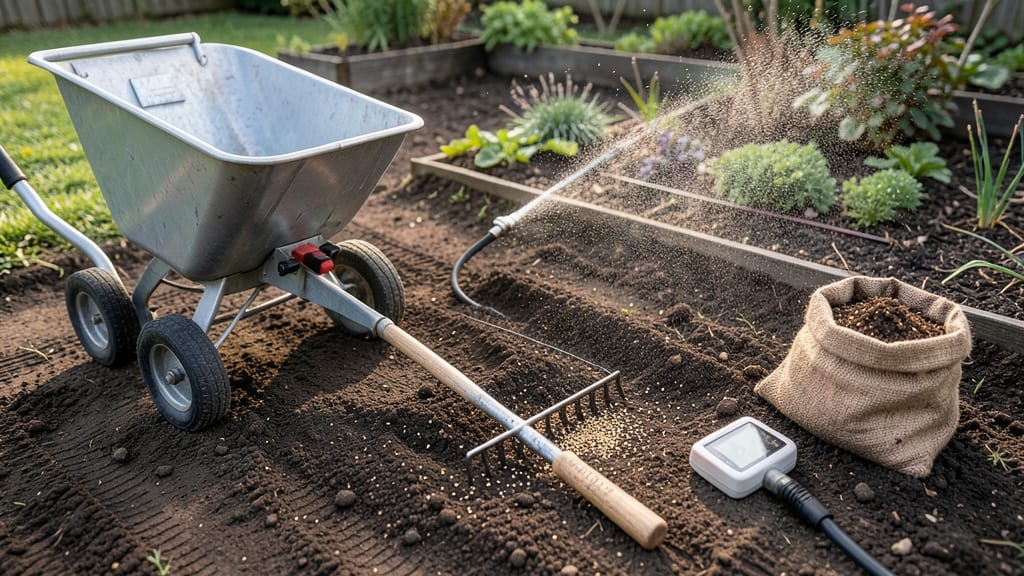
Planting grass seed in the fall is your best shot at a lush, resilient lawn—but get the timing wrong, and you might end up with patchy spots or wasted effort. The key lies in understanding your local climate and working with nature, not against it.
For most of the U.S., including USDA Zone 6a, the ideal window stretches from late summer through early fall—specifically, 4 to 6 weeks before your first frost.
This gives your 🌱 turfgrass time to establish deep roots before winter dormancy sets in. Think of it as giving your lawn a head start for spring.
Why does fall work so well? Cooler temperatures reduce weed competition, and consistent moisture helps seeds germinate without the stress of summer heat. Plus, cold-hardy varieties like Kentucky Bluegrass or Tall Fescue thrive when planted now, outlasting winter to surprise you with vibrant growth in spring.
In this guide, I’ll break down the exact timing for your region, the top grass types for fall planting, and step-by-step prep to ensure your investment pays off. Let’s get started—your future lawn will thank you!
Best fall planting dates for grass seed by region and climate
Timing your fall grass seed planting is everything—plant too early, and weeds take over; too late, and winter frost stunts growth. The golden window is 4 to 6 weeks before your first frost date, letting seeds germinate and establish roots before dormancy.
But this varies wildly across the U.S., from late August in the South to early September in the North. Let’s break it down by USDA hardiness zones and micro-climates to pick the perfect moment for your lawn.
Cooler fall temperatures actually help grass seeds germinate faster than spring planting. With less competition from weeds and consistent moisture as winter approaches, your new grass gets a head start on rooting before winter dormancy.
However, planting too close to frost can leave seeds vulnerable to disease and poor establishment. Use your local first frost date as your deadline—aim to finish seeding at least 6 weeks before that date.
For example, in USDA Zone 5 (think Midwest and Northeast), your ideal window is mid-August to early September. In Zone 7 or 8 (Southern states), you can stretch it to late September or even early October, as milder winters allow for later planting.
Coastal areas often have warmer micro-climates than inland regions, so adjust your timeline accordingly—coastal zones may have a 2-week extension compared to inland areas.
🌱 Pro Tip: Check your local Almanac’s frost date or use the USDA Plant Hardiness Zone Map to pinpoint your exact window. For instance, Zone 6 (like much of the Midwest) typically targets late August to mid-September, while Zone 9 (Southwest) can plant as late as November.
Micro-climates play a huge role in fall grass seed success. For instance, a south-facing slope stays warmer longer, while a north-facing yard may need earlier planting.
If you’re unsure, err on the side of planting earlier—seeds can wait in the soil for a few weeks, but established roots can’t handle frost. Also, soil temperature matters: aim for 50–65°F for optimal germination. Use a soil thermometer to check—if it’s below 50°F, wait a week or two.
Another critical factor is rainfall patterns. In dry climates (like the Southwest), you may need to irrigate consistently after planting, while wet regions (like the Pacific Northwest) might require drainage adjustments to prevent waterlogging.
Always test your soil’s drainage and moisture retention before seeding—amend with compost or sand if needed.
🌧️ Watch Out: Planting in late fall (within 4 weeks of frost) can lead to weak root systems and winterkill. If you miss the ideal window, consider spring planting instead, but be prepared for weed competition and higher maintenance.
To summarize, the best fall planting dates hinge on your USDA zone, local frost date, and micro-climate conditions. Start with the 6-week rule before frost, adjust for your region, and always prioritize soil temperature and moisture.
With the right timing, your lawn will green up beautifully in spring—no guesswork needed!
Next, we’ll dive into the top 5 cold-hardy grass seed varieties that thrive when planted in fall, so you can pick the perfect match for your climate and lawn goals. 🌱
Top 5 cold-hardy grass seed varieties for fall planting
Choosing the right grass seed variety for fall planting can make all the difference between a thin, patchy lawn and a thick, lush carpet by spring. Cool-season grasses thrive when planted in late summer or early fall, taking advantage of mild temperatures and reduced weed competition.
Here are my top 5 cold-hardy varieties that perform best in fall.
These varieties are USDA Zone 3-7 favorites, meaning they can handle freezing temperatures and still establish strong root systems before winter dormancy. Whether you're in the North or Midwest, these grasses will give you the best chance for a successful fall planting.
| Variety | Hardiness Zones | Growth Habit | Best For |
|---|---|---|---|
| Kentucky Bluegrass | 3-9 | Bunch-type, spreads via stolons | Shade tolerance, durability |
| Tall Fescue | 4-8 | Bunch-type, deep roots | Drought resistance, low maintenance |
| Perennial Ryegrass | 5-9 | Bunch-type, fast germination | Quick establishment, wear tolerance |
| Fine Fescue | 3-8 | Bunch-type, fine texture | Shade, drought tolerance |
| Bermuda Grass (Warm-Season) | 7-10 (late fall only) | Spreading via stolons/rhizomes | Southern climates, heat tolerance |
If you're in USDA Zones 3-6, Kentucky Bluegrass and Tall Fescue are my top picks for their cold tolerance and durability. They establish roots quickly in fall, giving them a head start for spring green-up.
For shadier lawns, Fine Fescue is a low-maintenance option that thrives in partial shade.
In warmer climates (Zones 7-10), Perennial Ryegrass germinates faster than other cool-season grasses, making it ideal for late fall plantings. Meanwhile, Bermuda Grass can be planted in late fall in the South, but only if you're extending your growing season with a winter cover.
Pro tip: Mix two varieties for a thicker lawn. For example, pair Tall Fescue (for drought resistance) with Kentucky Bluegrass (for wear tolerance). This diversity ensures your lawn stays green and healthy through seasonal changes.
Always check the seed label for recommended planting dates in your area, as local microclimates can shift ideal timing by 1-2 weeks. For example, coastal regions may have milder falls, allowing for later plantings than inland areas.