Plants
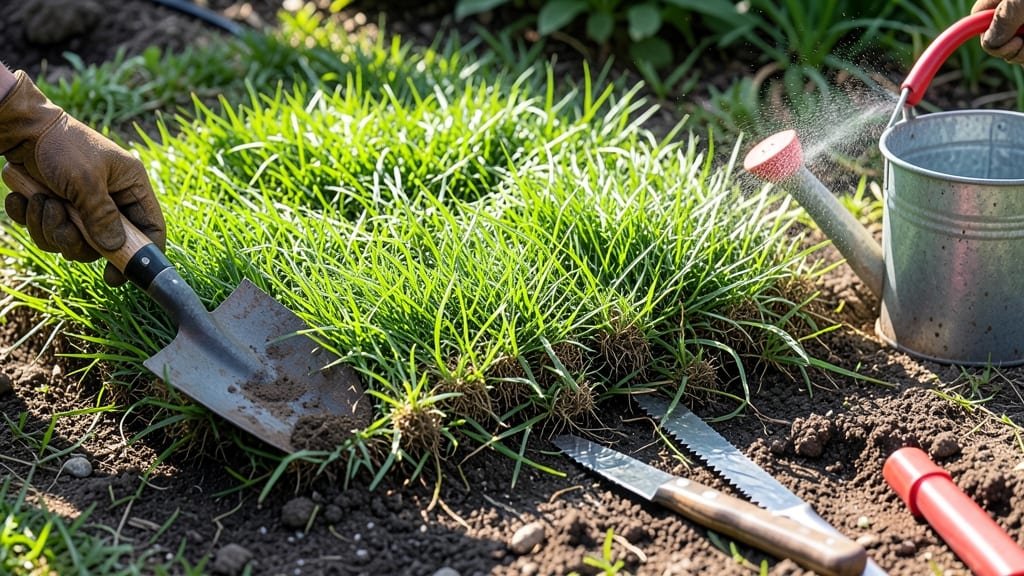
Planting Bermuda grass in Phoenix, AZ at the wrong time can mean struggling with heat stress and patchy growth—so getting the timing right is everything for a thick, resilient lawn.
The key window opens in late winter to early spring, when soil temperatures rise above 65°F and the risk of frost has faded for good.
Here’s why March and April are the sweet spot: these months strike the perfect balance between cooling desert winds and scorching summer heat. Bermuda grass needs warmth to germinate, but it also hates extreme heat during its early growth stages.
Phoenix’s USDA Zone 9b climate gives you a narrow but critical window to work with.
If you plant too early, you risk frost damage; too late, and your grass will battle the 110°F+ summers before establishing roots. I’ll show you exactly how to time your planting, prep the soil, and keep your lawn thriving once it’s down—no guesswork involved.
Ready to transform your yard into a heat-beating Bermuda grass oasis? Let’s dive into the step-by-step process that works for Phoenix’s brutal summers.
Best months to plant Bermuda grass in Phoenix AZ for optimal heat resistance
Planting Bermuda grass in Phoenix, AZ isn’t just about picking a month—it’s about syncing with the desert’s heat spikes and monsoon patterns. The ideal window is late winter to early spring (February–March), when soil temperatures rise above 65°F but before summer’s brutal 110°F+ heat sets in.
This timing lets your grass establish deep roots before the dormancy stress of summer kicks in.
Phoenix’s USDA Zone 10a/10b climate means frost is rare, but late frosts can still damage young grass. Wait until March to be safe, especially in elevated areas where cold air pools.
If you’re impatient, sod installation (vs. seed) can happen slightly later, but seeds need that 65°F soil to germinate.
Here’s the key: Soil temperature matters more than air temperature. Use a soil thermometer—if it’s below 65°F, wait. Phoenix’s urban heat islands can create microclimates where soil warms faster, so test in multiple spots.
Shady lawns may need to wait 1–2 weeks longer than full-sun areas to hit that optimal germination temp.
Visual Tip: Look for desert wildflowers blooming—when paloverde trees start flowering (late February–March), it’s a natural cue your soil is ready. This aligns with Bermuda grass’s active growth phase.
| Planting Window | Soil Temp Requirement | Phoenix Climate Factor | Success Rate |
|---|---|---|---|
| Late February | 60–65°F (risky) | Post-monsoon soil moisture | Moderate (frost risk) |
| March | 65–75°F (ideal) | Stable heat, low rain | High (recommended) |
| April | 75–85°F (safe) | Pre-monsoon dry spell | Very High (best for sod) |
| May | 85°F+ (stressful) | Monsoon onset | Low (unless sod) |
If you miss the spring window, don’t panic—summer planting is possible but requires extra care. After the monsoon season (July–August), when soil stays moist longer, you can plant Bermuda grass seed or sod.
Just shade new plants for the first 2–3 weeks to reduce heat shock. I’ve seen homeowners in Scottsdale plant in late August with 50% success using drip irrigation and shade cloth.
Pro tip: Test your soil’s pH (aim for 6.0–7.0) and amend with compost before planting. Phoenix’s alkaline soils can stunt growth, so a gypsum treatment helps. Spread 10 lbs of gypsum per 100 sqft 2 weeks before planting to improve root penetration.
For sod installation, April is peak time—it’s hot enough for rapid rooting but not so extreme that water loss becomes a battle. Roll out sod on a cool morning and water immediately to activate roots.
Avoid planting sod in full sun during June–July unless you’re committed to daily watering.
Remember: Bermuda grass is dormant in winter, but it stays green year-round in Phoenix. The goal is to establish roots before summer, so they can survive the heat without wilting. If you plant too late, you’ll spend more on irrigation and less time enjoying your lawn.
🌱
Critical factors that determine your planting timeline (beyond months)
Phoenix’s extreme heat and monsoon season create unique challenges for Bermuda grass planting. While March and April are ideal, your success hinges on soil temperature, rainfall patterns, and even your lawn’s location in the city.
Urban heat islands in downtown Phoenix can push soil temps 10°F higher than suburban areas, altering germination timelines.
For instance, soil temperatures must stay above 65°F for 7+ days before planting. In February, this might only happen in south-facing yards, while April offers consistent warmth across all microclimates. Use a soil thermometer to verify—don’t guess!
Phoenix’s monsoon season (July-September) brings unpredictable downpours, which can either drown seedlings or trigger rapid growth if timed right. Planting in late spring (May) lets you leverage early monsoon rains for natural irrigation, but requires proper drainage to avoid waterlogged soil.
🌡️ Key Timing Factors for Phoenix
- Soil Temp: ≥65°F for 7+ days (verify with thermometer)
- Monsoon Prep: Plant in May to harness early rains
- Urban Heat: Downtown soils warm 2 weeks earlier than suburbs
- Drainage: Avoid low spots where monsoon water pools
- Sod vs. Seed: Sod establishes 3x faster in heat
Your irrigation system plays a crucial role too. Drip irrigation or soaker hoses keep roots moist without surface evaporation common in Phoenix’s dry air. If using sprinklers, water early morning (4-6 AM) to prevent fungal diseases from overnight humidity.
For organic lawns, amend soil with compost 4-6 weeks before planting to improve water retention. Synthetic sod, however, can be installed year-round in Phoenix—but spring planting still yields the densest coverage by summer.
Pro tip: Test your soil’s pH (ideal range: 6.0-7.0sulfur amendments to optimize Bermuda grass growth. A simple $10 soil kit from a local nursery saves headaches later.