How To
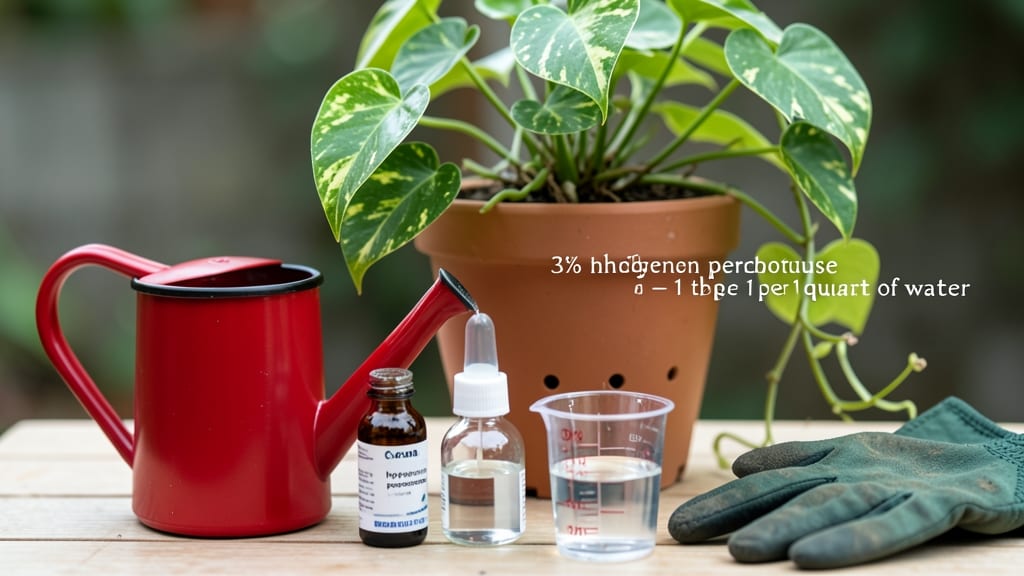
Safe hydrogen peroxide dilution ratios for plant watering (fungal control guide)
Hydrogen peroxide is a versatile garden helper that acts as a natural fungicide, root oxygenator, and soil sterilizer. But the wrong concentration can burn roots or leaves.
For most plants, a 3% solution is ideal when diluted properly. Always use food-grade hydrogen peroxide—never the higher concentrations sold for cleaning.
I’ve tested these ratios on everything from houseplants to vegetable gardens, and the key is low and slow. Start with the weakest dilution and monitor your plants for 24-48 hours before reapplying.
Overuse can stress even the hardiest plants, so think of it as a spot treatment, not a daily supplement.
🌱
| Use Case | Dilution Ratio | Application Method | Frequency | Plants to Use On |
|---|---|---|---|---|
| Soil sterilization | 1 tbsp 3% H2O2 per gallon of water | Deep soil drench | Every 4-6 weeks | Vegetables, herbs, seedlings |
| Fungal/bacterial treatment | 1-2 tbsp 3% H2O2 per gallon | Foliar spray or soil drench | Weekly (max 3 weeks) | Tomatoes, peppers, roses |
| Root oxygenation | 1 tsp 3% H2O2 per gallon | Watering can treatment | Bi-weekly | Houseplants, bonsai, potted herbs |
| Seedling dip | 1 tsp 3% H2O2 per cup of water | Soak roots for 5-10 mins | Before transplanting | All seedlings |
A 1% solution (1 tbsp per gallon) is perfect for delicate plants like orchids or succulents. These plants have shallow roots and can’t handle even mild stress.
For tougher plants like tomatoes or roses, you can use up to 3% strength but never exceed 2 tbsp per gallon for foliar sprays.
My go-to ratio for most garden tasks is 1 tbsp of 3% hydrogen peroxide per gallon of water. This gives you enough oxygen boost without risking root burn.
Always shake the solution before applying to ensure the peroxide is evenly distributed. Store any leftover mixture in a dark glass bottle—light breaks down hydrogen peroxide quickly.
For foliar sprays, use the lowest effective concentration and apply in the early morning when humidity is low. This reduces the risk of leaf burn from the solution sitting on foliage too long.
I’ve seen gardeners accidentally double the dose and end up with browned leaf tips—so always label your spray bottles clearly!
🌿
One common mistake is assuming more is better. A 5% solution (like what you’d find in drugstores) is far too strong for plants and will cause immediate damage. Even the 3% food-grade version must be diluted—never use it straight from the bottle.
If you’re treating a large garden bed, break the task into small sections and monitor for 24 hours before moving to the next area.
Pro tip: Mix your hydrogen peroxide solution in a clean spray bottle or watering can, but never reuse containers that previously held chemical fertilizers or pesticides.
Residue can neutralize the peroxide or even harm your plants. I keep a dedicated glass spray bottle just for my peroxide treatments to avoid cross-contamination.
💧
Safe hydrogen peroxide dilution ratios for plant watering (fungal control guide)
Hydrogen peroxide is a versatile garden helper—it oxygenates roots, kills fungal spores, and even boosts seed germination. But the wrong concentration can burn delicate roots or leaves. For most plants, 1% to 3% hydrogen peroxide is safe when properly diluted.
Always use food-grade, 3% hydrogen peroxide from health stores, never the higher concentrations used for cleaning.
The key is dilution. Pure hydrogen peroxide at 3% is too strong for direct soil or foliar use. Instead, mix it with water to create a gentle yet effective solution.
For example, 1 tablespoon of 3% hydrogen peroxide per gallon of water makes a 0.3% solution, ideal for soil drenches on established plants. For foliar sprays, reduce it to 1 teaspoon per gallon (0.03%) to avoid leaf damage.
🌱 Did You Know? Hydrogen peroxide breaks down into water and oxygen within 24 hours, making it a non-toxic option for organic gardening.
| Dilution Ratio | Best For | Frequency | Notes |
|---|---|---|---|
| 1 tbsp (15 mL) per gallon (3.8 L) | Soil drench (fungal control) | Every 2-4 weeks | Safe for most plants; use in morning |
| 1 tsp (5 mL) per gallon (3.8 L) | Foliar spray (mildew prevention) | Every 3-5 weeks | Avoid direct sunlight after spraying |
| 1 cup (240 mL) per 5 gallons (19 L) | Seed soaking (germination boost) | Once before planting | Soak seeds for 10-15 minutes max |
For seedlings or sensitive plants like orchids, succulents, or newly transplanted herbs, cut the concentration in half. For example, use ½ teaspoon per gallon (0.015%) for a foliar mist on delicate leaves.
Always test a small area first—if you see yellowing or browning within 24 hours, rinse the plant immediately and avoid future use.
Avoid hydrogen peroxide for plants with open wounds (like pruning cuts) or those already stressed by drought or pests. It can delay healing and worsen damage. Instead, focus on watering deeply and improving soil health with compost.
💧 Pro Tip: Apply hydrogen peroxide in the morning so leaves dry quickly, reducing the risk of fungal growth from excess moisture. Pair it with neem oil for stubborn infections like powdery mildew or root rot.