
Plants
If your philodendron 🌿 is struggling with limp leaves or patchy yellowing, you're probably asking yourself: how much light does a philodendron plant need? The answer might surprise you—it’s not as simple as "more is better."
These tropical beauties thrive in bright indirect light, but even low-light spots can work with the right adjustments.
Most people assume philodendrons need constant sunlight, but too much direct light can actually scorch their delicate foliage. The key is finding that sweet spot between low and medium light, where your plant gets enough energy without stress.
I’ve helped countless plant parents revive their struggling philodendrons by mastering this balance—and you can too.
In this guide, I’ll break down exactly how to spot the perfect light conditions for your philodendron, whether you’re dealing with a sun-drenched kitchen or a dim corner office.
You’ll learn how to adjust your plant’s placement, recognize signs of light stress, and even troubleshoot common issues like slow growth or leaf discoloration.
Ready to give your philodendron the ideal lighting it deserves? Let’s dive into the simple, actionable steps that’ll have your plant thriving in no time—without guessing or second-guessing.


Philodendron light requirements: the ideal low to bright indirect spectrum
Philodendrons are famously adaptable, but their light needs are often misunderstood. These tropical vines thrive in low to bright indirect light, making them perfect for homes with limited sunlight. Too little light causes stunted growth, while too much direct sun burns their delicate leaves.
Let’s break down the exact light spectrum your philodendron craves—and how to replicate it indoors.
Most philodendrons fall into three light categories: low light (ideal for variegated varieties), medium light (best for solid-leaf types), and bright indirect light (for faster growth). The key is avoiding harsh afternoon sun, which can scorch leaves within hours.
Think of it like a dappled forest floor—soft, filtered light that never feels harsh.
Here’s how to identify each light type in your home: Low light feels dim, like a bathroom without windows or a north-facing corner. Medium light is brighter but still diffused, like 2–3 feet from an east window. Bright indirect light mimics a west-facing shelf with sheer curtains.
Use this as your guide to place your plant where it’ll flourish.
Variegated philodendrons, like the Philodendron 'White Knight', need lower light levels to maintain their striking patterns. Too much light fades their variegation, while too little causes the white sections to disappear entirely.
Solid-leaf varieties, such as the Philodendron 'Brazil', handle medium to bright indirect light beautifully, producing bold, deep green foliage.
If your philodendron is near a south-facing window, use a sheer curtain to diffuse the light. Direct sun through glass acts like a magnifying glass, creating hot spots that burn leaves within days.
For east-facing windows, your plant can handle up to 2–3 hours of morning sun without issues. West windows? Keep it 3+ feet away to avoid afternoon heat.
Artificial grow lights are a lifesaver for low-light spaces. A LED grow bulb (6,500K color temperature) placed 12–18 inches above your plant mimics natural light.
Run it for 12–14 hours daily to compensate for weak natural light. Just avoid incandescent bulbs—they emit too much heat and can scorch leaves.
Pro tip: Rotate your philodendron quarter-turn weekly to ensure even light exposure. This prevents one-sided growth and keeps foliage lush all around. Watch for leaves leaning toward the light—this is your plant’s way of begging for a better spot!
Remember, philodendrons are forgiving but not indestructible. If you notice yellowing leaves or brown tips, it’s often a light (or water) issue. The good news? Adjusting lighting can revive a struggling plant faster than you’d expect.
Start with these guidelines, and your philodendron will reward you with glossy, thriving leaves in no time.
Signs your philodendron isn’t getting enough (or too much) light
Your philodendron’s leaves tell a story—yellowing edges or brown crispy patches scream for help. These are classic signs of light stress, whether from too little or too much exposure.
I’ve seen variegated varieties like 'White Knight' fade to pale green when starved for light, while solid-leaf types like 'Brazil' develop sunburnt spots near windows.
Watch for slow growth or stretched-out leaves (called etiolation)—this means your plant is reaching for light. On the flip side, bleached or white patches on leaves signal excessive direct sun. Even philodendron vines that suddenly stop climbing could be light-deprived.
Here’s the quick diagnostic guide I use: Hold a leaf up to a light source. If it’s dull or pale, it’s light-starved. If it’s yellow with brown edges, it’s over-exposed. Both issues need immediate adjustment—but the fixes are different.
🌱
| Symptom | Cause | Solution |
|---|---|---|
| Pale, light green leaves | Insufficient light | Move to bright indirect light (e.g., 2-3 ft from east window) |
| Brown crispy leaf edges | Too much direct sun | Relocate to filtered light or use sheer curtain |
| Stretched, thin leaves | Light deprivation | Add grow light 12 hrs/day or rotate pot for even exposure |
| White/yellow patches | Sunburn | Move to indirect light immediately; trim damaged leaves |
| Slow growth, sparse vines | Low light + poor nutrition | Fertilize with balanced 10-10-10 + increase light |
For variegated philodendrons, light issues show up faster because their white leaf sections can’t photosynthesize efficiently. If you notice solid green leaves replacing variegated patterns, it’s a red flag—your plant is struggling to maintain energy balance.
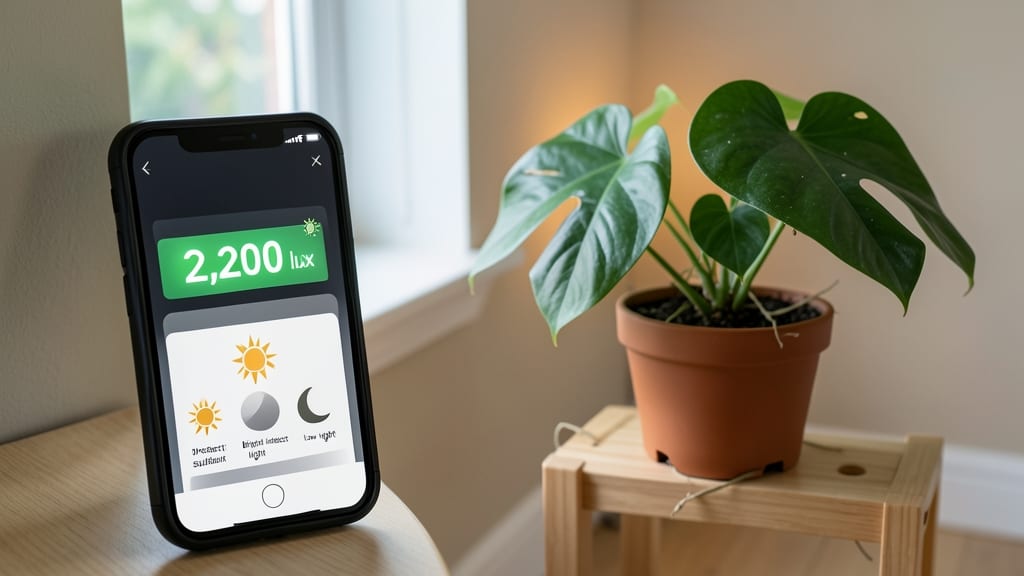
Pro tip: Rotate your philodendron every 2-3 weeks so all sides get even light. I’ve revived multiple plants by simply moving them 90 degrees toward a brighter corner. And if you’re unsure about your space’s light levels, use a light meter app—aim for 500-1,000 foot-candles of indirect light.
🪴