
Plants
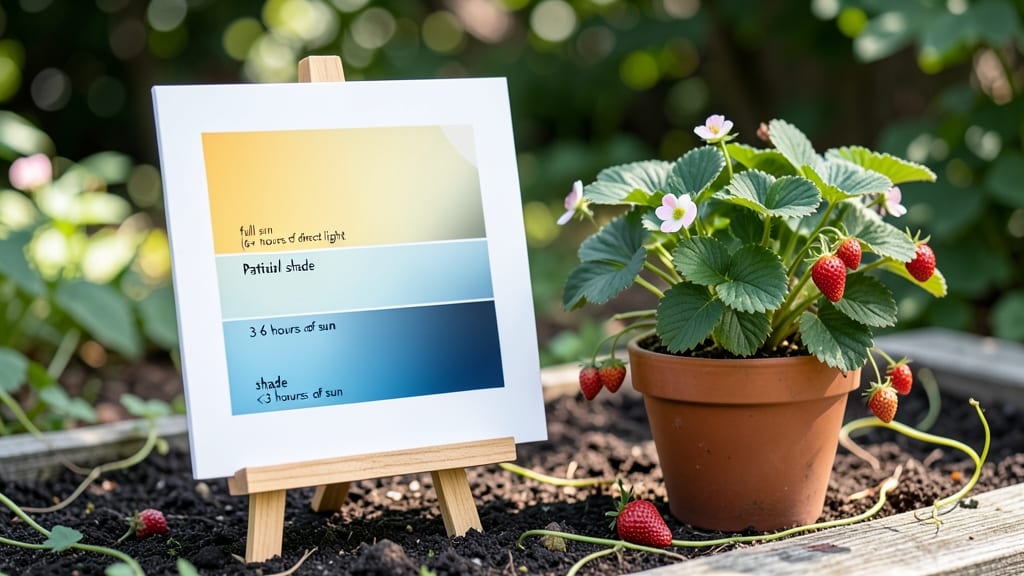
Optimal sunlight hours for strawberry plants: the science behind sweetness
Strawberries thrive under full sun exposure, but the exact amount of light needed depends on your climate and the variety you're growing. Generally, 6 to 10 hours of direct sunlight per day is ideal for maximizing fruit production and sweetness.
Without enough light, your plants will struggle to produce the energy needed for vibrant growth and flavorful berries.
Sunlight isn’t just about quantity—it’s also about light intensity. Strawberries need bright, direct rays, especially during their fruiting season. The UV light spectrum plays a crucial role in developing the plant’s natural sugars, which directly impact the taste of your harvest.
Without adequate light, you’ll notice a significant drop in both yield and flavor quality.
Here’s how sunlight affects strawberries at different stages:
- Vegetative growth: Requires 6+ hours of sun to develop strong leaves and roots.
- Flowering: Needs 8-10 hours to produce abundant blooms.
- Fruiting: Thrives with full sun (10 hours) for optimal berry development.
| Growth Stage | Sunlight Requirement | Key Impact |
|---|---|---|
| Seedlings | 4-6 hours | Prevents leggy growth |
| Established Plants | 6-8 hours | Balanced growth |
| Flowering/Fruiting | 8-10 hours | Maximizes yield & sweetness |
| Dormant Season | 3-4 hours (minimal) | Maintains plant health |
If you’re growing strawberries in containers or raised beds, prioritize locations with the most sunlight. South-facing windows or garden spots receive the most consistent light. Even a few hours of shade—like from a tree or fence—can reduce your harvest by up to 30%. Use a sunlight tracker or app to measure daily exposure in your garden.
For shade-tolerant varieties, like 'Albion' or 'Seascape,' you can get away with 4-6 hours of sun, but expect smaller berries and lower yields. These varieties are better suited for partial shade gardens or areas with afternoon shade.
Always check the seed packet or plant tag for variety-specific light recommendations.
In hot climates, afternoon shade can actually benefit strawberries by preventing heat stress. If temperatures regularly exceed 90°F (32°C), provide 30-50% shade cloth during peak afternoon hours (1 PM–4 PM). This protects the fruit from sunscald while still allowing enough light for photosynthesis.
To test your garden’s sunlight, place a whiteboard or reflective surface in potential spots for a week. Mark the hours the sun hits it—this gives you a clear picture of daily exposure.
If your garden falls short, consider reflective surfaces like white gravel or mirrors to bounce extra light onto your plants.
Remember, strawberries are perennial plants, meaning they’ll produce fruit year after year. Giving them the right amount of sunlight now ensures a lucrative harvest for seasons to come. With the right light conditions, you’ll enjoy sweeter berries, higher yields, and healthier plants overall.
🌱
How to Adjust light conditions for strawberries in different climates
Not all gardens receive the same amount of sunlight, and strawberries thrive best with 6-10 hours of direct sunlight daily. If your climate or garden location limits sunlight, don’t worry—there are practical ways to adapt.
For example, northern climates with shorter daylight hours in winter may need shade adjustments, while hot southern regions might require afternoon shade to prevent stress. The key is understanding your local light patterns and choosing the right strategies for your strawberry plants.
First, assess your garden’s sunlight exposure by observing how sunlight moves across your space throughout the day. Use a sunlight tracker app or simply mark the areas that receive full sun, partial shade, or deep shade.
This will help you determine where to place your strawberries or if you need to supplement light with shade cloths or reflective surfaces. Even a small adjustment, like moving plants to a sunnier spot, can make a big difference in fruit production.
For low-light gardens, consider planting shade-tolerant strawberry varieties like 'Albion' or 'Seascape,' which can handle 4-6 hours of sunlight while still producing fruit. These varieties are perfect for container gardening on patios or under fruit trees where dappled shade is common.
Pair them with reflective surfaces like white walls or mirrors to bounce extra light onto the plants. This simple trick can boost light exposure by up to 20%, helping your strawberries thrive in less-than-ideal conditions.
🌱 5 Ways to Optimize Light for Strawberries
- 🌞 Use shade cloth (30-50%) in hot climates to filter intense afternoon sun while allowing morning light to reach plants.
- 🌿 Choose shade-tolerant varieties like 'Albion' or 'Seascape' for gardens with 4-6 hours of sunlight.
- 🪞 Add reflective surfaces (white walls, mirrors) to bounce extra light onto plants in shady spots.
- 📅 Adjust planting timing: Plant in spring for summer fruiting (longer daylight) or fall for early spring harvest (gradual light increase).
- 💡 Supplement with grow lights (12-14 hours/day) for indoor or winter growing to maintain light levels.
Seasonal adjustments are also crucial for strawberry success. In spring and summer, when daylight hours are longest, strawberries can handle full sun, but afternoon shade can prevent leaf scorch in extreme heat.
Conversely, in fall and winter, when days grow shorter, focus on protecting plants from cold winds and ensuring they still receive at least 6 hours of sunlight.
If your garden loses sunlight in winter, consider moving potted strawberries to a sunroom or greenhouse for a few extra hours of light.
If you’re growing strawberries in containers or raised beds, mobility is your advantage. Rotate pots weekly to ensure even light exposure on all sides, and place them on wheels or casters for easy relocation. For in-ground plants, avoid planting near tall trees or structures that cast long shadows.
Instead, position strawberries where they’ll receive uninterrupted sunlight for most of the day, even if it means sacrificing a less desirable garden corner.
Finally, remember that light quality matters just as much as duration. Strawberries need direct sunlight, not just bright indirect light. If your plants are in partial shade, their leaves may appear pale or stretched, and fruit production will suffer.
By combining the right variety, strategic placement, and seasonal adjustments, you can help your strawberries flourish—no matter your climate or garden setup.