
Plants
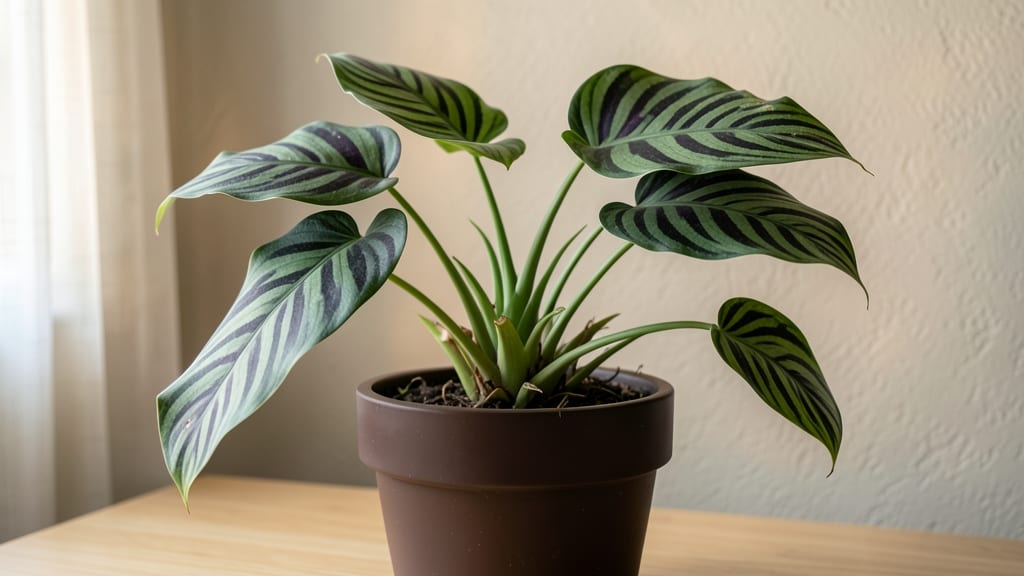
If you’re wondering how much light does a zebra plant need to keep its striking stripes and lush growth, the answer is simpler than you’d think—and fixing it is easier too.
This tropical beauty thrives in bright indirect light, but most homes either overdo it with harsh sun or underestimate its needs.
The key is mimicking its natural habitat under dappled forest canopies. Too little light fades those iconic zebra stripes, while too much burns the delicate leaves. I’ll break down exactly how to spot the difference and adjust your plant’s spot—whether you’re dealing with a dim corner or a sunroom.
You don’t need fancy equipment to nail this. A simple east-facing windowsill or a grow light on a timer can make all the difference. Let’s dive into the simple tweaks that’ll have your Zebra Plant looking vibrant in no time.
Ready to transform that sad, sparse plant into a showstopper? The secret starts with understanding how much—and what kind—of light your Zebra Plant truly craves.


Zebra plant light requirements: the ideal spectrum for healthy growth
If you've ever watched your zebra plant (Aphelandra squarrosa) lose its vibrant stripes or stretch toward the window, you're not alone. This striking houseplant thrives in bright indirect light, but most people either overestimate or underestimate its needs.
The key lies in replicating its natural understory habitat where dappled sunlight filters through taller trees.
Zebra plants evolved under canopy cover, meaning they need protection from harsh midday rays. While they tolerate low-light conditions, their iconic striped foliage fades dramatically without adequate light. Think of it like a sunbathing rule: morning sun is fine, but afternoon sun can scorch those delicate leaves.
Here's the science: Zebra plants rely on blue and red light wavelengths (400-500nm and 600-700nm) for photosynthesis and chlorophyll production. Artificial grow lights that mimic these spectra can work wonders if natural light falls short. The goal is to provide 4-6 hours of bright indirect light daily, which keeps their leaves compact and colorful.
For visual clarity, here's how zebra plants respond to different light conditions:
Pro tip: Rotate your zebra plant quarter-turns every 2 weeks to ensure even light exposure. This prevents lopsided growth and helps all leaves develop those stunning stripes. If you notice new growth leaning toward one side, it's begging for better light distribution.
Seasonal adjustments are crucial too. During winter months, when daylight hours shrink, supplement with a 12-hour grow light (LED or fluorescent) to maintain the plant's energy production. I've seen zebra plants in my collection revive completely after just 2 weeks of proper light supplementation during cloudy seasons.
Remember, zebra plants are not low-light plants—they're low-maintenance under the right conditions. The difference between a struggling plant and a showstopper often comes down to understanding this nuance.
Place yours where it gets morning sun and afternoon shade, and you'll be rewarded with foliage that pops against any decor.
For those with south-facing windows, use a sheer curtain to diffuse the intense afternoon sun. This creates the perfect bright indirect light environment while preventing leaf scorch. The goal is to mimic the plant's natural habitat where sunlight is abundant but never harsh.
One common mistake I see is assuming all houseplants have similar light needs. While snake plants or ZZ plants might tolerate dimmer conditions, zebra plants are light-demanding when it comes to showcasing their best features. The more light they receive (within reason), the more vibrant their stripes will be.
🌿
Signs your zebra plant isn’t getting enough (or too much) light
When your zebra plant's stripes start looking more like faded pencil sketches than bold zebra markings, it's often a cry for help. The most obvious light deficiency signs include pale, washed-out leaves and stretched, leggy growth.
I've seen plants grow 12 inches taller in just 3 months when starved for light, with leaves spaced far apart like a sad stalk of celery. This happens because the plant stretches toward any available light source, prioritizing height over foliage development.
The color contrast of zebra plant leaves fades dramatically under insufficient light. Healthy zebra plants should have deep green leaves with crisp white or yellow stripes. When light is lacking, those stripes turn grayish or barely visible, making the plant look dull and unkempt.
Think of it like a watercolor painting left in the sun - the colors bleed together when they shouldn't.
On the opposite end, too much direct sunlight causes leaf scorch that's unmistakable. You'll see brown, crispy edges on leaves, especially the ones facing the window. The stripes may appear bleached or sun-bleached, losing their vibrant contrast.
In extreme cases, entire leaves turn yellow or brown and crisp up like autumn leaves. This is your zebra plant's way of saying "I'm getting a sunburn!"
🌱 Light Stress Symptoms in Zebra Plants
- Leggy, sparse growth
- Pale, grayish leaves
- Faded stripes
- Leaves spaced far apart
- Compact, bushy growth
- Deep green with crisp stripes
- Healthy, glossy leaves
- New growth appears regularly
- Brown, crispy edges
- Bleached stripes
- Yellowing leaves
- Leaf drop
Seasonal changes can dramatically affect your zebra plant's light needs. During winter months when daylight is limited, even an east-facing window might not provide enough light. Watch for slowed growth and smaller leaves as telltale signs.
In my experience, plants in northern climates often need supplemental grow lights during December-February to maintain their health. A simple 10-watt LED grow bulb placed 12 inches above the plant for 6 hours daily can work wonders.
Another key indicator is the direction your plant grows. If new growth consistently leans toward one side (usually the window), it's reaching for more light. This isn't just cosmetic - lopsided growth can weaken the plant's structure over time.
The solution? Rotate your plant quarter-turns every 2 weeks to ensure even light exposure. I've seen plants that were completely lopsided become perfectly balanced within just 6 weeks of regular rotation.
Don't overlook the soil and roots as indicators. When light is insufficient, zebra plants often develop weaker root systems that can't support healthy top growth. You might notice the plant becomes top-heavy or even tips over easily.
This is a clear sign the roots aren't getting the energy they need from proper light levels. The fix? Move to a brighter location immediately and consider repotting if the roots appear stunted.
🌿