
How To
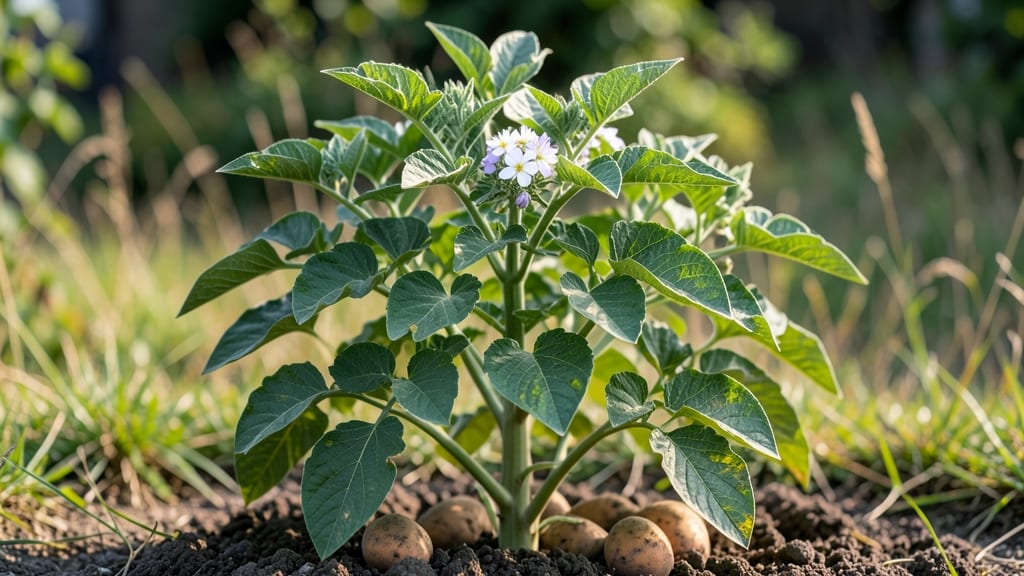
If you’ve ever wondered how tall a potato plant can grow before it’s ready for harvest—or if your garden is about to become a jungle of leafy greens—you’re not alone.
The height of your potato plants isn’t just about aesthetics; it’s the key to maximizing your harvest, avoiding pests, and even predicting when to dig up those golden tubers.
Most potato varieties fall somewhere between 1 and 3 feet tall, but that range can shift dramatically depending on whether you’re growing a compact Yukon Gold or a towering Russet. What’s even more surprising?
Some varieties can stretch beyond 3 feet if given the right conditions—like rich soil and plenty of sunlight—while others stay neatly contained under 2 feet. Knowing these differences can save you from overcrowding or underutilized garden space.
Here’s the game-changer: height isn’t just about variety—it’s also about growth stages. A potato plant that starts as a modest 6-inch sprout can balloon to 3 feet or more by harvest time, especially if you’re growing larger varieties like Idaho Russets.
But don’t worry—we’ll break down exactly how to manage that growth, whether you’re dealing with a bushy or vine-like variety, so you can keep your garden tidy and productive.
Ready to turn your potato patch into a well-organized, high-yielding success? Let’s dive into the exact heights by variety, how to spot when your plants are ready for harvest, and the simple tricks to keep them from getting too ambitious. Your next 🥔 harvest starts here!

Average potato plant heights by variety: from dwarf to giant
Potato plants don’t follow a one-size-fits-all growth pattern—some stay as short as 12 inches, while others can stretch to 36 inches or more. The variety you choose determines not just height but also growth habit, yield potential, and even how you should space them in your garden.
For example, Yukon Gold potatoes typically reach 24–30 inches, while Fingerling varieties like 'Red Pontiac' max out around 12–18 inches. Understanding these differences helps you plan your garden layout and avoid overcrowding, which can stunt growth or invite disease.
Most potato plants fall into two broad categories: bush types (compact, upright growth) and vine types (longer, sprawling stems). Bush varieties, like Red Norland, rarely exceed 24 inches and are ideal for small gardens or containers.
Vine types, such as Russet Burbank, can climb to 36 inches or taller if left unchecked, making them better suited for trellises or larger plots. Even within these categories, height can vary based on growing conditions like sunlight, soil fertility, and water availability.
Here’s where things get practical: spacing matters. A 3-foot-tall Russet plant needs at least 12–18 inches of space between it and its neighbors to avoid competition for nutrients and sunlight. Meanwhile, a 1-foot-tall Fingerling can thrive with just 6–12 inches of clearance.
Proper spacing ensures your potatoes get the room they need to grow vertically without sacrificing tuber production underground. It’s a balancing act—too little space, and you’ll end up with leggy, weak plants; too much, and you waste garden real estate.
🌱
| Variety | Height Range | Growth Habit | Ideal Spacing |
|---|---|---|---|
| Yukon Gold | 24–30 inches | Vine | 12–18 inches |
| Russet Burbank | 30–36 inches | Vine | 18–24 inches |
| Red Norland | 18–24 inches | Bush | 12 inches |
| Fingerling (e.g., Red Pontiac) | 12–18 inches | Bush | 6–12 inches |
| Purple Viking | 20–28 inches | Vine | 12–18 inches |
| Kennebec | 24–30 inches | Vine | 18 inches |
If you’re growing potatoes in containers or small spaces, opt for dwarf varieties like 'Rocket' or 'Adirondack Red'. These stay under 12 inches and produce abundant tubers without taking up much room.
Even in containers, ensure the pot is at least 12 inches deep—potatoes need space to grow their tubers downward.
For larger gardens, taller varieties like Russet Burbank or Kennebec reward you with bigger yields, but they’ll need staking or trellising to prevent them from flopping over and shading their neighbors.
One common mistake gardeners make is assuming all potatoes grow the same height.
In reality, early-season varieties (like 'Early Girl') tend to be shorter (18–24 inches) because they mature faster and focus energy on tuber production rather than vertical growth. Late-season varieties, however, prioritize height and vine development to maximize sunlight exposure for a longer growing season.
This is why a 100-day variety might only reach 20 inches, while a 120-day variety could tower at 36 inches.
Pro tip: If you’re growing potatoes in shady conditions, choose shorter varieties or expect them to grow taller as they stretch toward light. This can lead to leggy, weak stems and fewer tubers. To counteract this, use reflective mulch or move your containers to a sunnier spot.
Sunlight isn’t just about height—it’s the fuel that turns your potato plant’s energy into bigger, healthier tubers. Aim for at least 6–8 hours of direct sun daily to keep your plants within their ideal height range and maximize your harvest.
🌿
For gardeners in cooler climates, height can also indicate maturity. For example, Russet potatoes in Zone 4 might not reach their full 36-inch potential if the growing season is short. Instead, they’ll focus on tuber production to survive
How potato plant height changes at each growth stage
Potato plants don’t grow at a steady rate—they follow distinct stages where height shifts dramatically. Understanding these phases helps you predict growth, spot issues early, and time your harvest perfectly. From tiny sprouts to towering vines, each stage reveals what your plants truly need.
At the sprouting stage (weeks 1–3), your potato plant will barely rise above the soil. You’ll see green shoots breaking through, reaching 1–6 inches tall. This is when roots establish deep, so don’t disturb the soil around them. Focus on keeping it moist but not soggy.
Here’s how height progresses through each critical phase—with visual cues to track your plant’s journey:
- 1 Sprouting (Weeks 1–3): 1–6 inches. Tiny leaves emerge; focus on moisture and warmth (60–70°F). Avoid waterlogging to prevent rot.
- 2 Vegetative Growth (Weeks 4–6): 12–24 inches. Stems thicken; leafy growth accelerates. Space plants 12–18 inches apart to prevent competition. Watch for aphids on new leaves.
- 3 Flowering (Weeks 7–8): 24–36 inches. Purple or white blooms appear—this signals tuber formation below ground. Reduce nitrogen fertilizer to shift energy to potatoes, not flowers.
- 4 Tuber Bulking (Weeks 9–10): 30–48 inches. Stems may lean or flop; this is normal. Stop watering 1–2 weeks before harvest to toughen skins. Check for wireworms in soil.
- 5 Maturity (Weeks 11–12): 36–48 inches. Foliage yellows and dies back; stems may collapse. Time to harvest! Dig new potatoes early or wait for full-sized tubers.
Pro tip: Use a ruler or measuring tape to track height weekly. If your plant stops growing before Week 8, it may need more phosphorus (bone meal) or sunlight. Conversely, if it bolts too early (sends up a flower stalk), it’s stressed—check for overcrowding or drought.
Knowing these stages helps you adjust care at the right time. For example, prune suckers during vegetative growth to redirect energy to tubers, or hill soil when plants reach 12 inches to encourage deeper rooting. Each phase is a chance to optimize your harvest!
🌿